

























Growing a Shopify mobile app after launch is difficult. Initial installs and early engagement are often strong, but sustaining momentum beyond that phase becomes a challenge for most brands.
For mature Shopify businesses, the mobile app is not just another sales channel. It is a direct customer channel that is not dependent on algorithms or ad auctions, making it one of the few fully owned touchpoints for driving retention and repeat purchases.
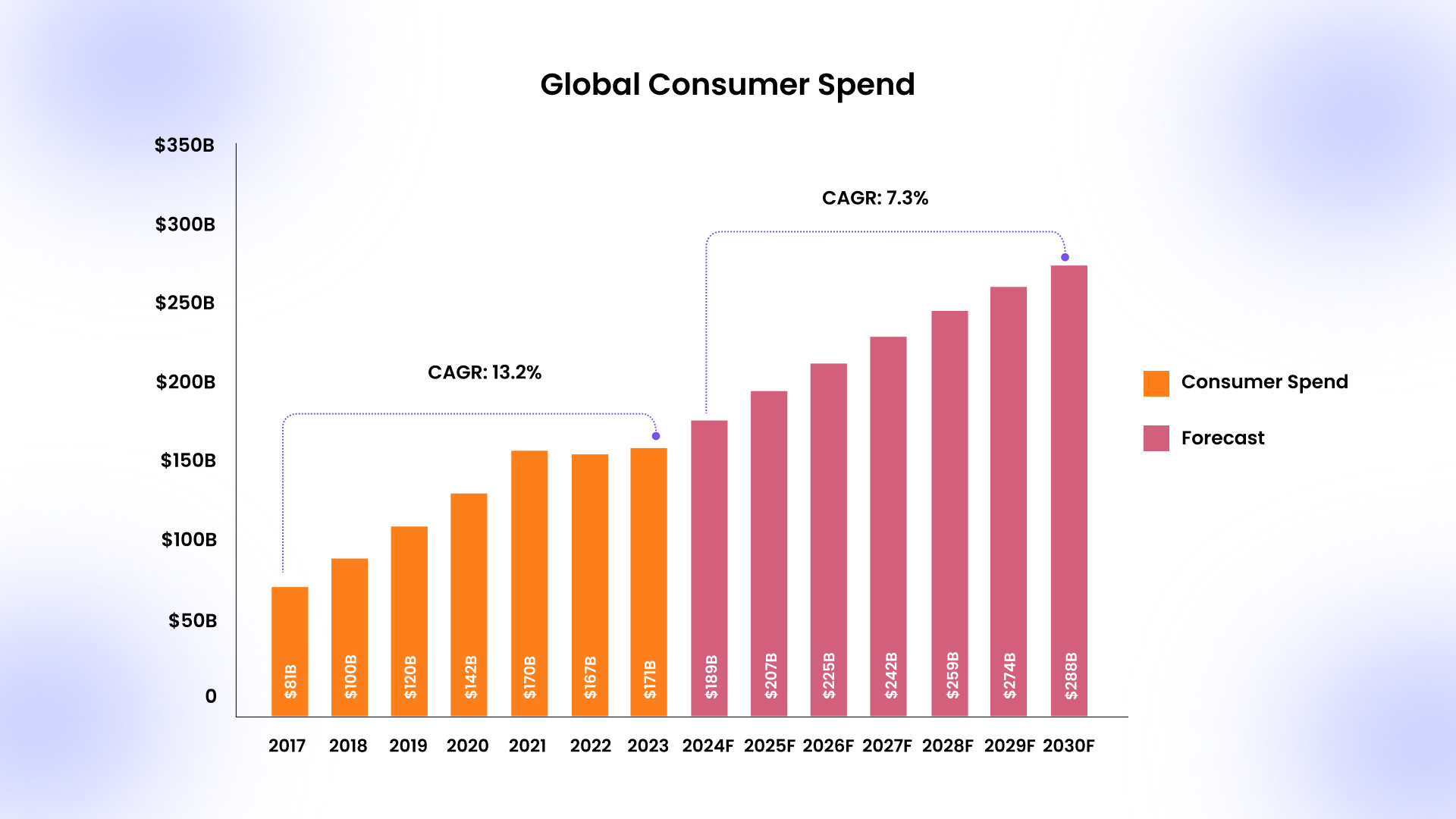
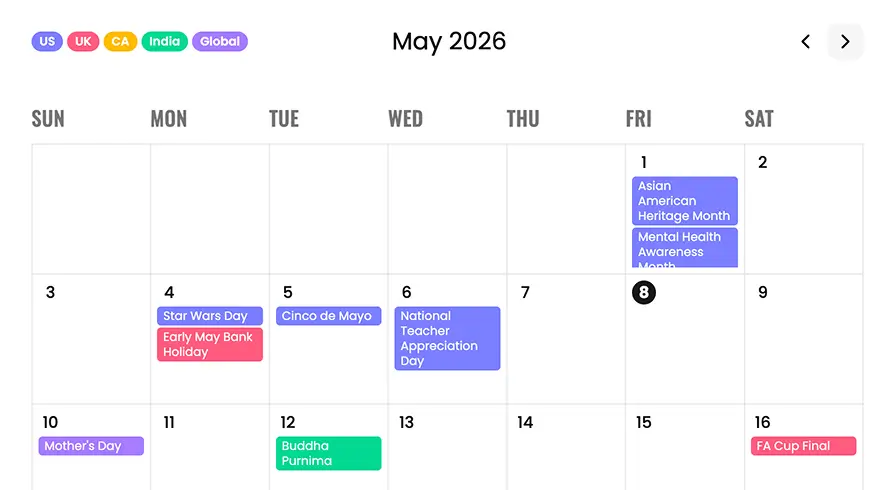
This shift is already visible in real user behavior. Shopify’s Black Friday and Cyber Monday data shows that mobile devices drive a large share of conversions during peak sales periods. Users often browse in short sessions, revisit products multiple times, and complete purchases across different touchpoints. As a result, retention and re-engagement matter more than initial acquisition.
The challenge is no longer whether mobile matters, but whether the app is structured to match how users actually behave throughout their journey. This article breaks down advanced Shopify mobile app growth strategies to help brands move beyond early traction and build sustained, scalable growth.
Key Takeaways
- Data-First Decision Making: Focus on connected data across funnel stages rather than on isolated metrics or channel-level reporting.
- Always Be Testing: Treat UX, messaging, and onboarding as continuous experiments, not fixed implementations.
- Cohorts Over Averages: Segment users by lifecycle stage and value, rather than relying on broad performance averages.
- Channel Coordination Wins: Email, push, and in-app messaging must work as a system, not as independent campaigns.
- Closed Growth Loop: Build a loop of measure → learn → iterate → scale to continuously improve retention and revenue.
1. Building a Clear Understanding of Market & Mobile Shopper Behavior
Before investing further in an acquisition, brands need to evaluate the data they already have rather than collecting more. Most mature Shopify businesses already sit on rich datasets like orders, browsing behavior, and support tickets, but the real challenge is that this data is fragmented and does not clearly explain mobile user behavior.
Mobile users operate in short, distracted sessions, browsing, comparing, saving items, and returning later, which means traditional desktop-style interpretation misses key intent signals.
To understand this behavior properly, funnel and cohort data show what users are doing, while customer interviews and in-app surveys explain why they are doing it. Without both layers, decisions remain incomplete and reactive.
Expert Insight: Sixin Zhou, Marketing Manager at LDShop, spends most of his time analyzing where users drop off between browsing and purchase, especially across mobile-first shopping journeys where intent isn’t always immediate.
He says, “We kept looking at conversion rates and trying to fix checkout, but the real issue was earlier. People were browsing in bursts, saving things, then disappearing. Once we properly tracked those patterns, we stopped treating them as lost users and started building for delayed intent. That changed how we approached everything from reminders to product visibility.”
What Matters at this Stage:
- Data Fragmentation and Behavioral Blind Spots: Most brands already have sufficient data, but it is not connected in a way that reveals real user intent or behavior patterns across sessions.
- Mobile-First User Behavior: Users do not follow linear journeys. They browse in short bursts, compare across visits, save products, and return later when intent is higher.
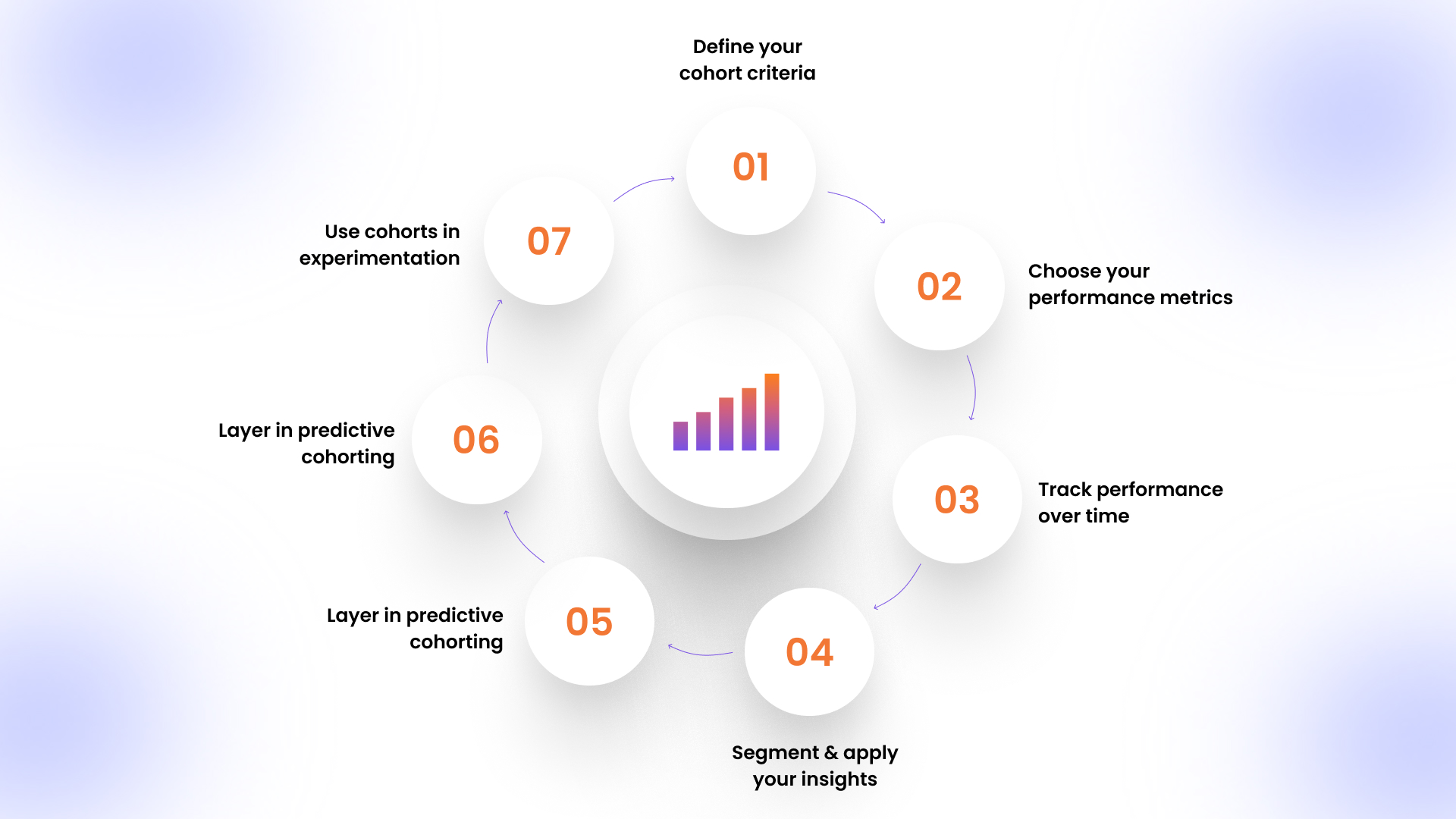
- Behavioral Segmentation (RFM + Lifecycle Cohorts): Segmentation matters more than averages. Repeat buyers, new visitors, and inactive users behave completely differently and require separate strategies.
- Cross-Session Journey Tracking: Mobile journeys span multiple sessions and touchpoints. Understanding behavior requires tracking across visits, not just within a single session.
- Growth-Focused Metrics: Instead of surface-level activity, focus on metrics that show progression, such as activation rate, day 1/7/30 retention, DAU/MAU, time to first purchase, repeat-purchase velocity, and LTV by cohort. These metrics show real movement from discovery to long-term value.
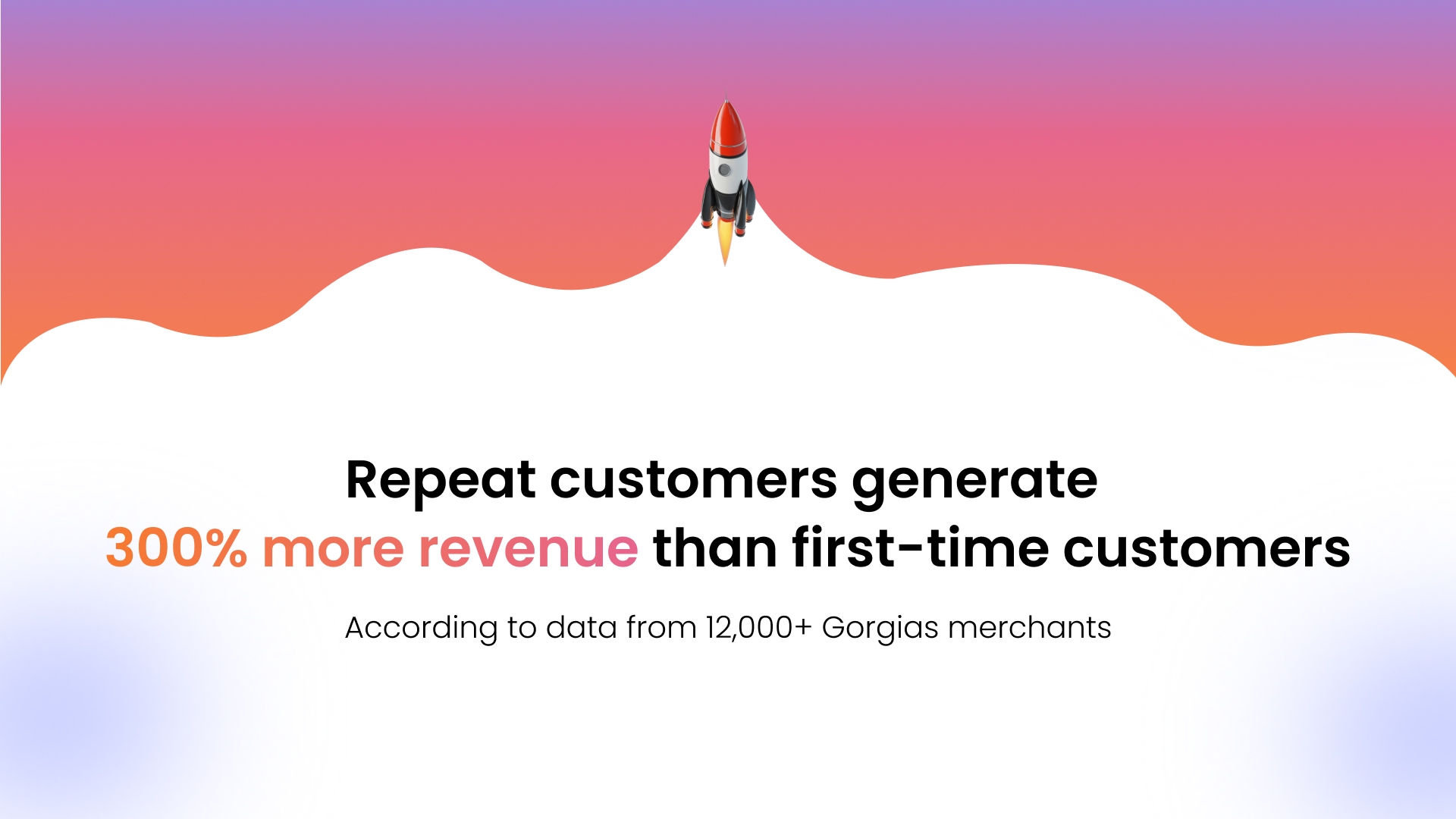
The challenge is rarely a lack of data. It is the lack of connection between data points. When behavior, intent, and timing are aligned, brands can move from reactive reporting to structured, scalable growth decisions.
2. Reduce Time-to-Value With App-Exclusive Activation
The install isn’t the win. The first moment of obvious value is. A lot of Shopify mobile apps lose momentum in the first few sessions for a simple reason: nothing feels meaningfully better yet. The user downloads the app, scrolls a little, maybe taps into a product, and leaves. If the experience feels too similar to the mobile site, there’s no real reason to stay, and definitely no reason to come back.
The strongest apps close that gap fast. They give users something useful almost immediately: a more relevant product feed, a faster path to checkout, saved preferences, back-in-stock visibility, app-only bundles, early-access drops, or one-tap reorders.
AppsFlyer’s ecommerce app marketing report found that the average first purchase happens 3.6 days after install, and once users make that first purchase, nearly 60% go on to become repeat buyers. That’s a strong case for treating the first week after install as an activation window rather than just an onboarding phase.
Onboarding should support that, but it shouldn’t feel like a tour. It should feel like progress. Airship’s research found that apps running onboarding campaigns can see Day 30 activation rates 49% above category averages, along with higher push opt-in rates when the value exchange is clear early on. In other words, good onboarding doesn’t explain the app. It gets people into the parts of the app worth using.
3. Optimizing Mobile UX for Retention, Conversion & Mobile-First CX
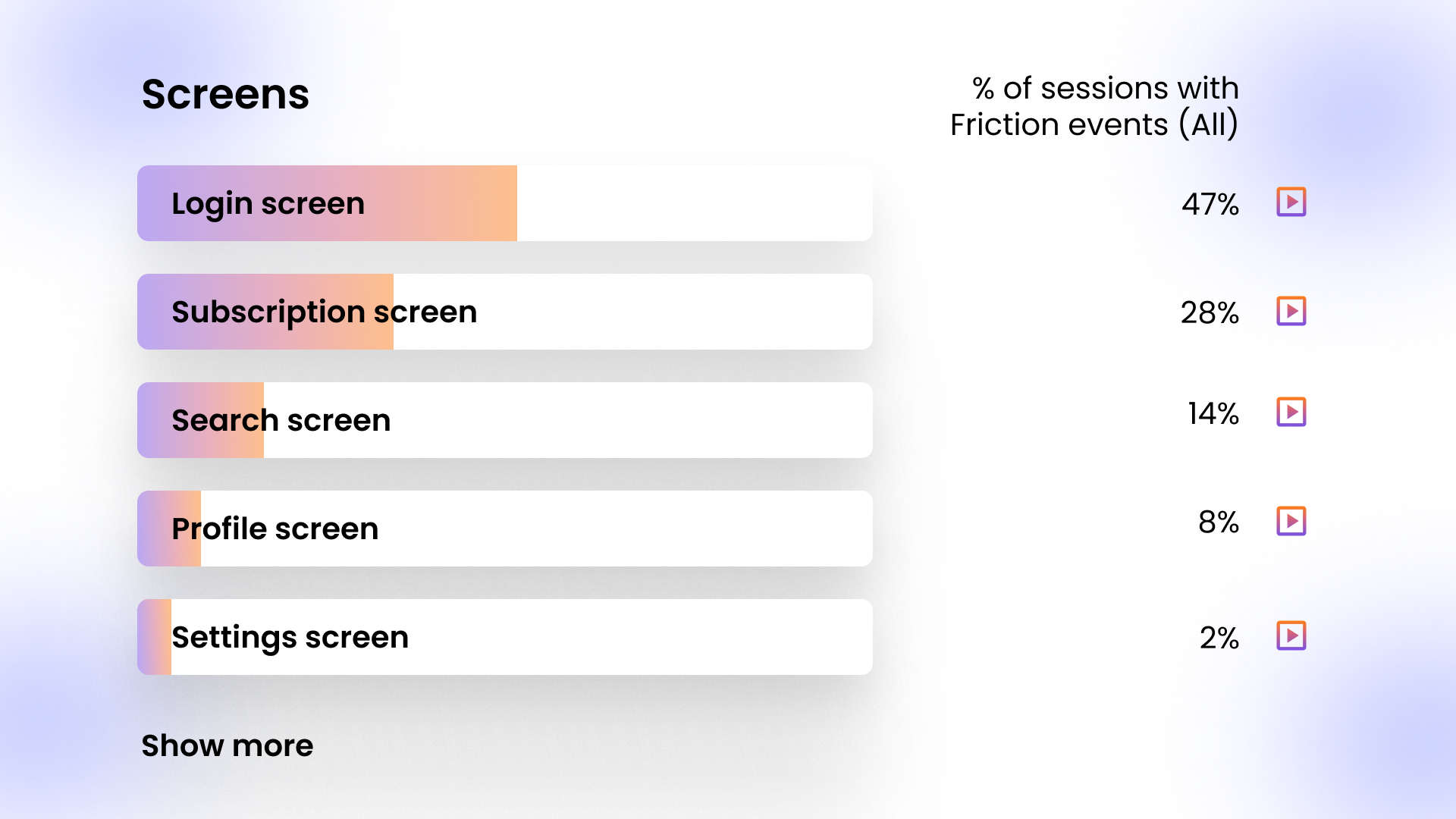
Retention is closely tied to how easily users can navigate and complete actions inside the app. Even small friction points, such as unclear navigation, extra steps at checkout, or slow load times, can lead to drop-offs, especially in mobile-first shopping.
Mobile amplifies these issues. What feels like a minor delay or an unclear next step quickly compounds into lost conversions because users don’t pause to figure things out. In most cases, people leave when the journey is not immediately clear or smooth.
Expert Insight: Eric Yohay, CEO and Founder of Outbound Consulting, works closely with teams trying to fix drop-offs in high-intent flows, where small UX issues quietly compound into lost conversions.
He says, “Most teams think they have a conversion problem, but it’s usually a clarity problem. If someone has to stop and think about what to do next, you’ve already lost them. The best-performing flows feel obvious. Not clever, not impressive, just obvious. That’s what keeps people moving.”
Here are the high-impact UX + Mobile-First CX improvements that directly improve retention and conversions:
- Simplify Flow (UX): Keep navigation structure minimal and focused. Ensure users can access key actions such as search, cart, and product discovery without unnecessary steps.
- Reduce Checkout Friction (UX): Streamline checkout by reducing decision points and enabling fast payment options such as Apple Pay and Google Pay to minimize abandonment.
- Personalize Entry Points (UX): Surface products based on past browsing and purchase behavior so users don’t need to search repeatedly.
- Session Continuity (CX): Maintain cross-session intent by preserving browsing history, saved items, and cart state so users always resume from where they left off.
- Cross-Touchpoint Consistency (CX): Align email, push notifications, and in-app experiences so users move through a single connected journey rather than fragmented interactions.
- Improve App Performance (UX): Speed directly affects retention. Google found bounce probability increases by 32% when load time goes from one to three seconds, and continues rising after that. Mobile users are even less tolerant of delays.
- Introduce Lightweight Feedback Loops (UX): Use short in-app surveys after key interactions to identify friction that analytics alone cannot capture.
High-performing mobile apps are not defined by complexity. They are defined by clarity and speed of action. The fewer users who need to think, the more likely they are to continue, and that’s what drives retention and conversions.
4. Optimizing Conversion Rate (CRO) for Mobile Apps
CRO in mobile apps is not limited to A/B testing individual screens or elements. It focuses on improving how users move through the entire journey, from first interaction to final purchase.
In mobile-first environments, conversion is influenced not just by isolated UX improvements, but by how consistent and intuitive the overall experience feels. Factors like continuity across sessions, clarity in navigation, and ease of resuming intent all play a role in whether users complete an action.
When these elements work together, even small improvements in flow efficiency and user experience can lead to measurable gains in conversion performance.
- Funnel Drop-off Optimization: Identify drop-offs across discovery, product view, cart, and checkout stages. Focus on maintaining continuity of intent across these stages so users do not have to re-establish context or restart their journey at each step.
- Continuous A/B Testing: Continuously test messaging, layouts, triggers, and journey flows across onboarding, discovery, and checkout. Optimization should improve clarity and reduce friction throughout the experience, not just at isolated conversion points.
- Click-to-Conversion Efficiency: Reduce friction between marketing entry points and in-app actions by minimizing steps between intent and purchase. Focus on how quickly users can move from discovery to checkout without losing context or momentum across sessions.
- Behavior-Based Optimization: Adjust flows based on cohort behavior instead of static assumptions. New users, returning users, and high-intent users follow different paths, and optimization should reflect these differences while maintaining a consistent cross-session experience.
CRO becomes effective only when it is treated as a continuous system rather than a one-time optimization exercise.
5. Utilizing Data, Analytics, and AI for Predictive Growth
At some point, you have to stop reacting to behavior and start anticipating it. That is when growth becomes more scalable. Data should move from reporting to a decision system that guides what happens next in real time. Instead of analyzing past behavior, advanced systems focus on likely future actions to prevent drop-offs.
This enables brands to:
- Flag users likely to churn before they disengage
- Surface products users are likely to buy next
- Time messages based on intent
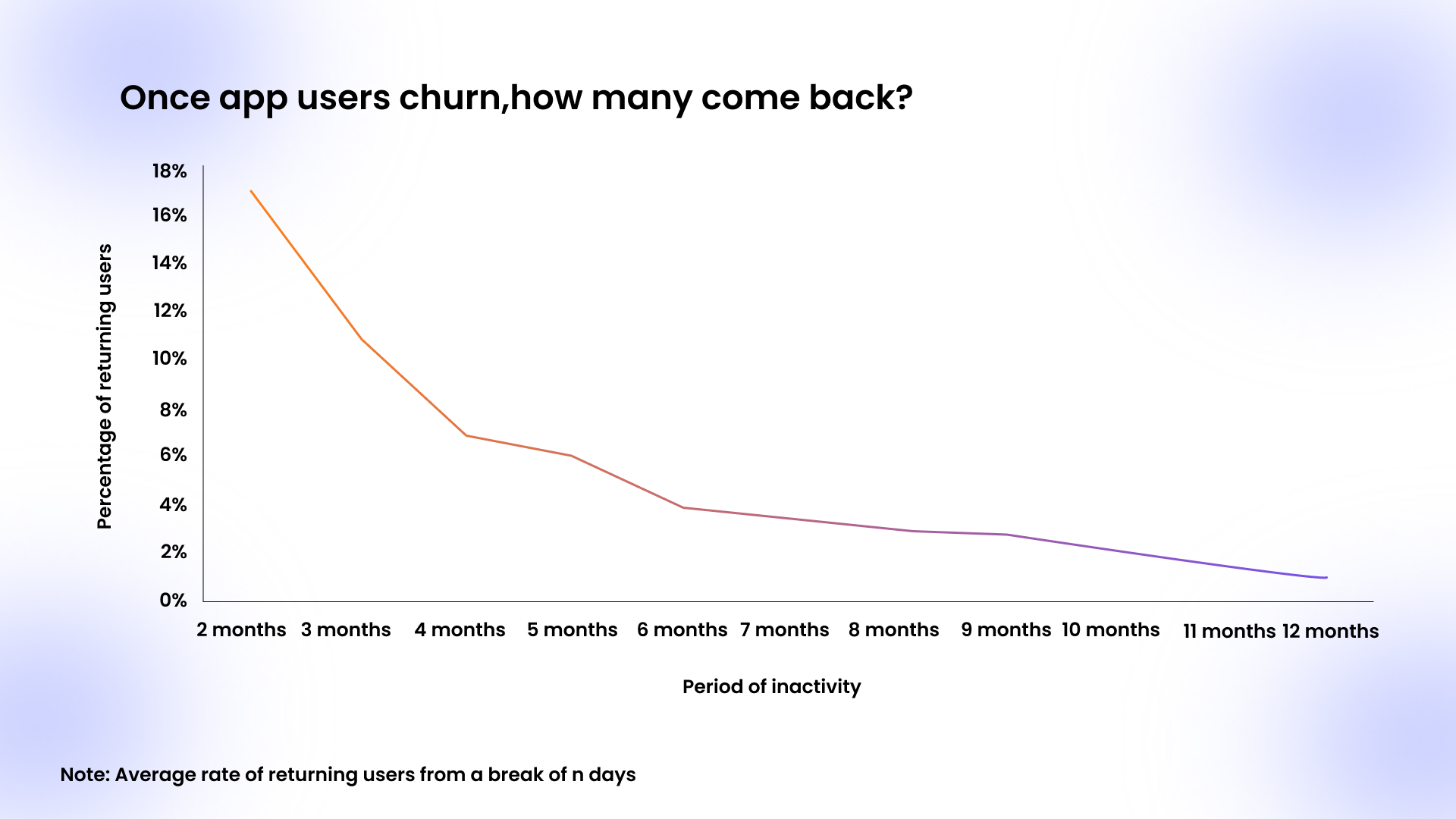
When done well, analytics and AI shift growth from reactive optimization to predictive execution, where every action is guided by expected user behavior rather than past activity.
Here are a few key focus areas for predictive growth:
- Churn Prediction and Prevention: Moves beyond dashboards and focuses on real-time behavioral signals. If users show early signs of drop-off, they are triggered with a nudge, reminder, or relevant message before they disengage completely.
- Behavior-led Recommendations: Replaces static bestsellers with personalized product suggestions based on actual user behavior and intent signals. When done well, it becomes better, context-driven merchandising, not guesswork.
- Intent-Based Messaging: Prioritizes timing over volume. Instead of sending more messages, brands focus on fewer, better-timed messages that align with user intent and increase response rates.
- Recommendation Engines and Personalization Tools: Tools like AWS Personalize and Google Recommendations AI help scale personalization, but they only work effectively when data is clean and connected.
- Connected Data and Shopify Integration: Modern Shopify setups allow syncing app behavior with purchase history and cross-channel events, enabling real-time, action-based personalization.
- Data Quality as a Foundation: None of these systems work with fragmented inputs. Poor or inconsistent data reduces accuracy, weakens predictions, and limits scalability. Garbage in still leads to garbage out, just faster.
However, none of this works if the inputs are messy. Weak or fragmented data leads to inaccurate predictions and poor personalization at scale. Garbage in still means garbage out, just faster.
6. Executing Advanced Marketing Coordination Across Shopify Apps
Once the product experience is strong, marketing shifts from volume to coordination. Instead of running more campaigns across more channels, the focus moves to aligning each channel with a clear role in the customer journey. Most brands struggle here because their messaging is disconnected, repetitive, and lacks progression. Scalable growth comes from consistency across touchpoints, not campaign intensity.
- Email as the Narrative Layer: Email sets the narrative and builds context over time. It is used to introduce value, nurture consideration, and establish continuity across the customer journey.
- Social as the Discovery Layer: Social channels drive initial awareness and interest. The goal is not repetition but early-stage engagement that brings users into the ecosystem.
- Push and In-App as Conversion Layers: Push notifications and in-app messaging work as conversion layers. They activate intent at the right moment and help users complete actions inside the app experience.
- Experience-Led Channel Coordination: Each channel serves a distinct purpose rather than repeating the same message. Users should move forward across touchpoints without friction, dead ends, or unnecessary repetition.
- Measurement and Attribution Layer: Modern growth depends on accurate tracking systems. SKAdNetwork setups and MMPs ensure performance is measurable across channels, helping teams understand what drives real conversion versus surface engagement.
Expert insight: Ryan Beattie, Director of Business Development at UK SARMs, has spent years refining how different channels work together in high-intent purchase journeys, where timing and sequencing directly impact revenue.
He says, “We’ve tested running the same message across every channel at once, and it just burns people out. What works is sequencing. Someone sees the product on social, gets context through email, then converts through a well-timed push. If every channel is saying the same thing at the same time, you’re not guiding the decision, you’re just adding noise.”
Sequencing is more effective than saturation. When channels are aligned by role, lifecycle stage, and timing, users experience a structured journey instead of repetitive messaging noise.
7. Automating Lifecycle Marketing for Scalable Retention
Lifecycle marketing becomes powerful when it moves from manual campaigns to automated, behavior-triggered systems.
Instead of reacting to user activity, brands build systems that respond in real time based on intent signals.
- Event-Based Triggering: Actions such as add-to-cart, browse abandonment, or repeat visits trigger automated flows.
- Stage-Based Lifecycle Messaging: Messaging adapts across acquisition, activation, retention, and re-engagement stages.
- Personalized Automation Workflows: Users receive different journeys based on behavior, not generic segmentation.
- Cross-Channel Orchestration: Email, push, and in-app messaging work as a unified automation system.
Also Read: 20+ E-Commerce Conversion Best Practices: Actionable Tips & Checklist for 2026
When lifecycle marketing is fully automated, engagement becomes consistent without relying on manual campaign execution.
8. Building Loyalty and Rewards Systems That Drive Repeat Purchases
Loyalty works best on mobile because the feedback loop is immediate, but most programs still feel like static systems built around points, tiers, and redemptions. They function, but they rarely influence behavior. The programs that actually work are designed around recognition, timing, and relevance, not just transactions.
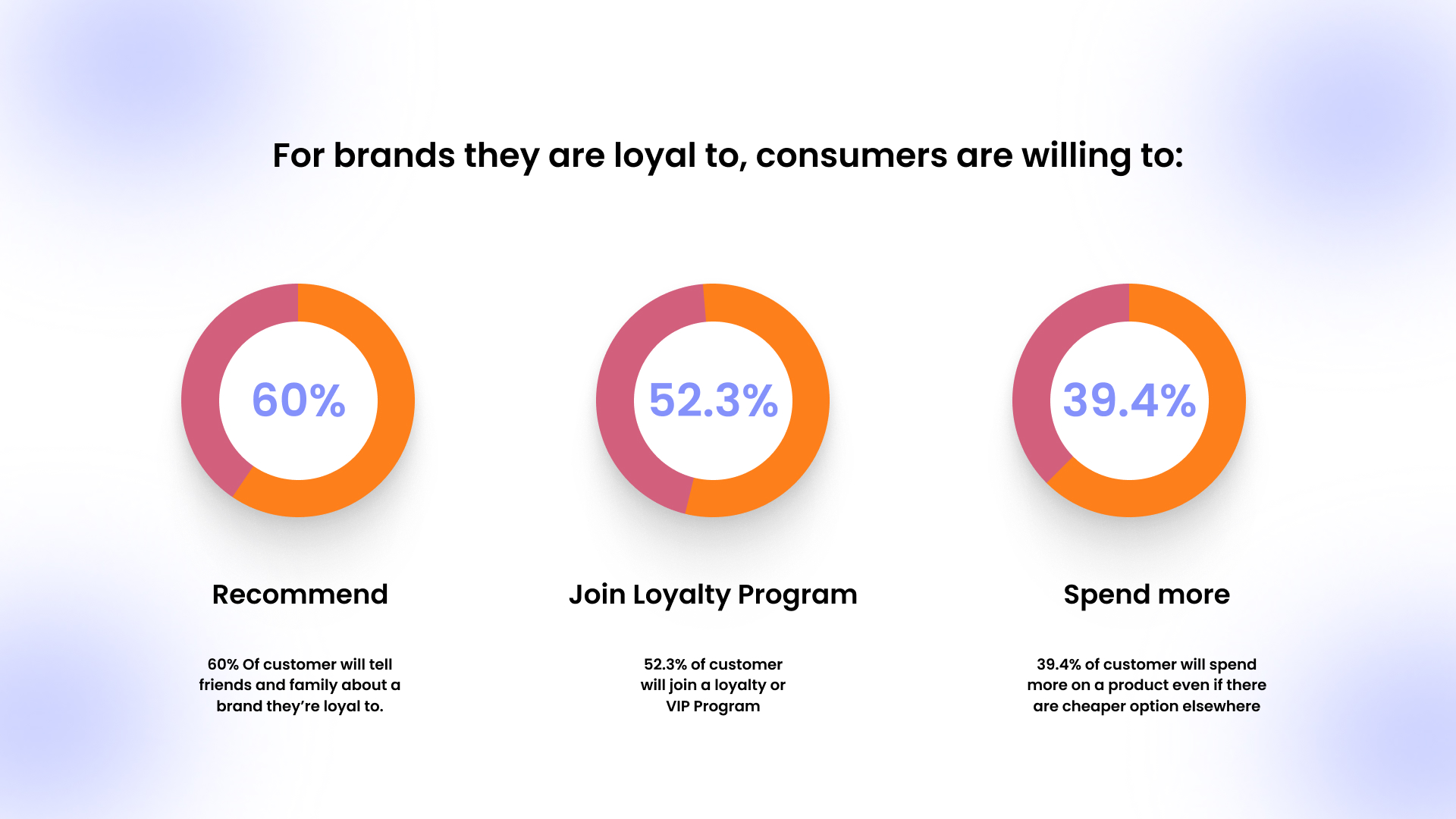
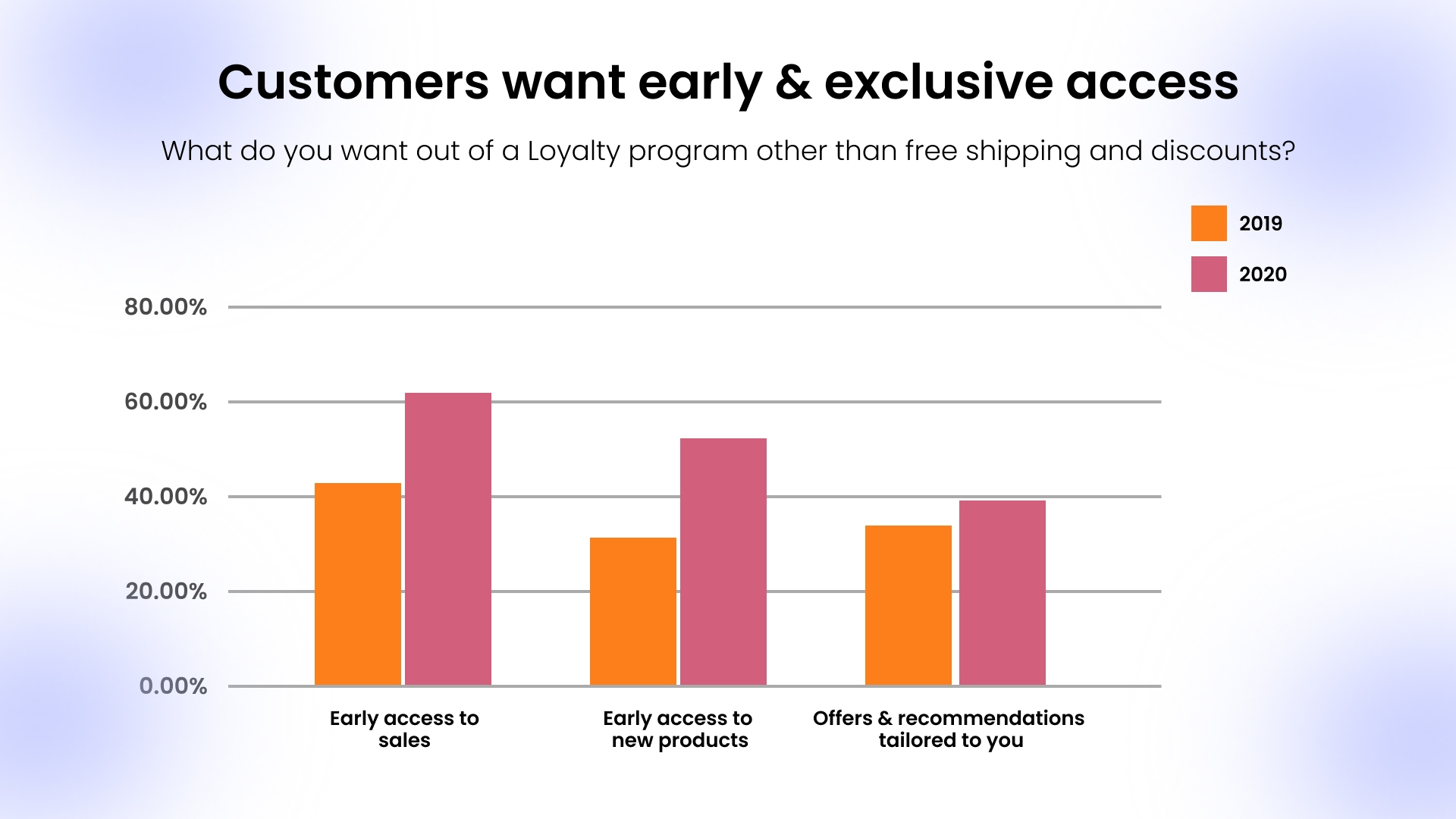
Move Beyond Points Systems: Traditional loyalty programs feel mechanical and tied only to purchase frequency. Advanced programs focus on motivation-driven rewards like early access, exclusive drops, and personalized perks that feel relevant and meaningful rather than transactional.
- Experience-Led Rewards Design: The most effective loyalty programs focus on how users feel, not just what they earn. Small, well-timed rewards like credits, surprise benefits, or milestone recognition often drive stronger engagement than complex tier systems.
- Emotional Retention Loops: Loyalty works best when it reinforces identity and a sense of belonging. Recognition based on access, timing, and relevance creates repeat engagement driven by experience rather than incentives alone.
- Organic Referral Loops: When rewards feel timely and relevant, users naturally share the program. Referrals become a byproduct of experience instead of a separate growth lever.
- Loyalty Performance Metrics: Focus on metrics that reflect real value, such as redemption rate, time to redemption, incremental AOV, and LTV difference between members and non-members, to understand whether the program is truly driving repeat purchases and long-term value.
Bond’s Loyalty Report backs this up, showing that people respond more to relevance than simplicity.
Expert insight: Samuel Charmetant, Founder of ArtMajeur, focuses on building repeat engagement in a marketplace where purchases are often emotional and infrequent, making loyalty harder to engineer.
He says, “Points systems don’t mean much if the purchase itself is personal. What works better is creating moments around the experience, early access to new collections, small recognitions, and things that make users feel seen. When the reward connects to why they buy, not just how often, they come back differently.”
Effective loyalty programs are not defined by complexity but by relevance. When rewards align with user intent and timing, they naturally drive retention, repeat purchases, and long-term customer value.
9. Expanding into Global Markets Without Breaking UX
Global expansion looks like scale, but in reality, it introduces friction in new markets. The challenge is not just reaching users, but matching local expectations across payments, language, compliance, and delivery experience.
- Local Payment Optimization: Conversion often depends on offering familiar options like UPI in India, PIX in Brazil, or iDEAL in the Netherlands. Without this, drop-offs increase immediately.
- Language Localization: CSA Research found that most users prefer to make purchases in their native language, and many will not complete a purchase if it is not available. Localization directly impacts trust and conversion.
- Compliance Integration: Regulations like GDPR, CCPA, and regional privacy requirements need to be built into the experience, not added later.
- Logistics Experience Alignment: Delivery speed, reliability, and communication shape trust more than acquisition itself in new markets.
The brands that scale internationally successfully do not over-engineer from day one. They test in new markets, learn from user behavior, and then scale what works.
10. Scaling Infrastructure for Long-Term Mobile App Growth
Growth often exposes the limits of systems that were not built to scale. Infrastructure decisions made early tend to persist, and when they are not properly designed, their impact only becomes visible at scale.
- CDN and Caching Optimization: Improve load times by serving content closer to users and keeping assets lightweight for faster performance.
- Real-Time Data Sync: Ensure inventory and order updates stay accurate without creating unnecessary load on backend systems.
- Monitoring and Observability: Track crashes, latency, and system errors early to identify issues before they affect users.
- Security and Compliance Systems: Keep encryption, authentication, and payment compliance built into the system from the start.
A modular architecture works best for long-term scalability. It allows teams to scale individual components independently, rather than rebuilding the entire system when demand increases.
Also Read: Top 12 Shopify Apps for Fashion and Clothing Stores in 2026
11. Optimizing App Store Presence for Discoverability (ASO)
Most Shopify mobile apps do not fail because of product experience. They fail before installation. Discovery is often overlooked, even though it directly impacts install volume and acquisition efficiency.
ASO determines how easily users find your app and how effectively that traffic converts into installs.
- Keyword Optimization: Align app titles, subtitles, and descriptions with high-intent search terms that merchants already use inside the Shopify App Store, such as “Shopify mobile app builder” or “D2C mobile commerce app.”
- Conversion-Focused Listings: Communicate outcomes, not features. Focus on retention, conversions, and repeat purchases. Use screenshots that show real shopping flows.
- Install-to-Click Optimization: The listing should reduce hesitation by clearly showing real user journeys, such as browsing, product selection, and checkout. The goal is to make the value obvious before installation.
- Review and Rating Signals: Social proof directly influences both ranking and install decisions. Strong apps actively design post-success triggers (such as first order or campaign success) to encourage authentic reviews at the right moment.
A strong ASO strategy ensures that growth is not limited to retention and conversion alone, but is also supported by consistent organic discovery and install momentum.
12. Building a Unified Measurement, Testing, and Iteration System
Growth does not scale through isolated experiments or disconnected reports. It improves when data, testing, and decisions are tied together across the full user journey.
Instead of running one-off optimizations, teams need a system in which user behavior directly informs what to test next, and results are consistently fed back into product, UX, and marketing decisions. This makes optimization continuous and focused on what actually moves retention and revenue.
A unified system allows Shopify mobile apps to connect acquisition, activation, retention, and revenue into a single growth engine that continuously improves over time.
- Unified Growth Tracking Across the Funnel: Connect acquisition, activation, retention, and revenue into one system to get a complete view of user behavior. Track installs, onboarding completion, product interactions, purchases, and re-engagement across app, push, email, and checkout to eliminate siloed reporting.
- Experimentation-Led Decision Making: Run structured A/B tests across onboarding flows, UX design, pricing strategies, messaging, and push notifications. Focus on high-impact experiments tied to conversion, retention, or LTV rather than vanity engagement metrics.
- Cohort-Based Performance Analysis: Analyze performance by user groups such as new users, returning users, and high-LTV customers. Identify drop-offs at each lifecycle stage and optimize experiences based on cohort behavior, rather than relying on average performance data.
- Attribution and Incrementality Measurement: Measure which channels actually drive installs, purchases, and retention. Separate true impact from correlation using multi-touch attribution and incrementality testing across paid ads, organic traffic, email, and push campaigns.
- Continuous Optimization Loop: Follow a continuous cycle of measure, learn, iterate, and scale. Feed insights back into UX, personalization, and marketing systems to ensure ongoing improvement across the entire growth engine.
Consistently executing personalization, lifecycle automation, and UX improvements requires the right tools. Let's see how platforms like AppMaker bring these capabilities together, making it easier for Shopify brands to build, manage, and scale mobile app experiences without heavy engineering effort.
Scaling Shopify Mobile Apps Using AppMaker’s No-Code Platform
Many Shopify brands struggle to launch a mobile app due to high development costs, long build timelines, and ongoing technical complexity. AppMaker solves this by enabling businesses to build and scale native mobile apps without heavy engineering investment.
AppMaker is a no-code mobile app platform that converts Shopify stores into fully branded iOS and Android apps with real-time sync, AI-powered personalization, and built-in engagement tools. Brands using AppMaker report up to 4x higher conversions, 10x higher revenue per session, 40% higher AOV, and 7x higher purchase frequency compared to mobile web. (AppMaker customer success data from top 200+brands)
Key Features of AppMaker:
- Real-time Shopify Sync & Push Notifications: Instantly syncs products, collections, and inventory while powering targeted push notifications that boost re-engagement, abandoned-cart recovery, and overall mobile purchase intent.
- Eidolon AI: Converts Figma designs or store themes into app-ready layouts and generates smart product recommendations that reshape the in-app journey based on shopper behavior.
- John AI for Analytics & Optimization: Analyzes campaign performance, identifies friction points, and recommends improvements for notifications, funnels, and promotions to help brands increase retention and repeat purchases.
- Personalization & AI Support: Uses tools like Conditional Blocks that tailor app UI and content using Shopify Tags and Metafields, delivering context-aware, behavior-based experiences that boost conversion and engagement instantly.
AppMaker’s pricing starts at $999/month + 1% of in-app sales, with an Enterprise tier at $2,000/month + 1% for advanced integrations and higher-scale requirements. This structure helps brands avoid the $40K–$120K cost of custom app development while still accessing a scalable, native mobile app experience built for long-term growth.
Final Thoughts
Scaling success with Shopify mobile app growth strategies is not about increasing campaign volume, but about building a connected system where UX, data, marketing, and infrastructure work together to drive consistent retention and conversions. When these layers are aligned, the mobile app becomes a predictable, scalable growth channel rather than a set of disconnected efforts.
AppMaker enables this shift by simplifying mobile app creation for Shopify brands while supporting real-time sync, personalization, and performance tracking without the complexity of heavy development.
Get started with AppMaker today to enhance your mobile commerce experience. Contact us to explore plans, features, and integrations designed for your Shopify store.
FAQs
1. What is the biggest mistake in Shopify mobile app growth?
Most brands treat the app as an extension of their store rather than as a behavior system. They focus on installs and first purchases but ignore post-install journeys such as onboarding, habit-building, and re-engagement flows. Without these layers, users drop off quickly after initial activity and never form long-term usage patterns.
2. How often should Shopify mobile apps run experiments?
High-performing apps don’t run experiments randomly; they run them continuously in structured cycles. Weekly or bi-weekly testing works best when tied to specific funnel stages, such as onboarding, product discovery, and checkout friction, rather than broad “growth tests” that lack focus.
3. Why do most Shopify mobile apps struggle with retention?
Retention drops when users don’t feel progress in the app. If every session feels like starting over, users lose context. Apps that fail to carry forward browsing history, preferences, and intent signals typically see sharp drop-offs after the first or second session.
4. How important is cross-channel consistency in mobile growth?
Cross-channel alignment is critical because mobile users don’t experience channels separately; they experience a single journey. When push, email, and in-app messaging contradict each other, it creates cognitive friction, reduces trust, and weakens purchase confidence even if intent is high.
5. What signals should be used to predict user churn?
Churn prediction works best when based on behavioral decay, not just inactivity. Key signals include declining session depth, reduced product saves, shorter browsing cycles, and increasing time between sessions, especially when combined with no repeat purchase or engagement response.
6. How does mobile behavior differ from desktop in Shopify apps?
Mobile users operate in fragmented intent cycles. They often browse during micro-moments, switch between apps, and return multiple times before converting. Unlike desktop users, they rely heavily on memory cues such as saved items, push reminders, and past-session continuity.
7. What role does personalization play in mobile app growth?
Effective personalization is not just recommendation-based—it is navigation-based. It reduces decision load by restructuring what users see first, not just suggesting products. When done well, it eliminates unnecessary browsing steps and accelerates time from intent to purchase.
8. Why do many Shopify apps fail after initial installs?
Most apps fail because they treat install as a success rather than the beginning of activation. If users do not experience immediate value, such as relevant product feeds, saved preferences, or guided onboarding, they quickly disengage before forming any habit or repeat usage pattern.
9. What is the impact of app performance on conversions?
App performance directly influences how confidently users move through the purchase journey. On mobile, users operate in short attention windows, so even small delays between actions (like opening a product, adding to cart, or loading checkout) create micro-friction that interrupts the flow of intent. This hesitation often causes users to pause, switch apps, or abandon the purchase entirely before completing it. Over time, slow experiences also reduce return visits by weakening trust in app reliability and speed.
10. How should Shopify apps approach a long-term growth strategy?
Long-term growth depends on building a continuous feedback loop where user behavior shapes UX, messaging, and personalization. Instead of relying on fixed strategies, successful apps evolve through cohort insights and lifecycle signals. Every change is validated through real user impact rather than assumptions, creating an adaptive system that steadily improves retention and revenue over time.