























Mobile eCommerce is growing faster than ever, responsible for over $3 trillion in global revenue. Every day, more people use their phones to browse, compare, and buy products instead of visiting websites or physical stores.
This shift has changed how brands interact with customers, making convenience, speed, and personalized experiences extremely important to winning customer loyalty. Apps now do more than just sell; they track user behavior, suggest products, offer rewards, and keep shoppers coming back.
Businesses that don’t adopt mobile apps risk losing customers to competitors who do. In this blog, we will discuss the top mobile commerce apps of 2026, what makes them successful, the features that drive engagement, and practical tips for building and growing your own high-performing app.
Overview
- Mobile commerce apps are branded shopping apps that let customers browse, buy, and re-engage on smartphones. The best ones combine fast checkout, real-time sync, personalization, loyalty, and push notifications.
- Apps like Amazon, Walmart, and Nike excel at personalization, showing users relevant products based on behavior and preferences, boosting engagement and repeat buying.
- Apps such as Sephora, Glossier, and Ipsy combine AI-driven recommendations, AR experiences, and community or subscription features to make shopping immersive and highly engaging.
- Apps like Starbucks and Net-a-Porter use location-based offers, exclusive drops, and curated content to increase urgency, loyalty, and long-term retention.
- Security, privacy compliance, multi-language support, and real-time inventory updates are essential for trust, accessibility, and smooth operations across diverse user bases.
What Are Mobile Commerce Apps and Why Do They Matter?
Mobile commerce apps let users browse, buy, and interact with brands directly on smartphones or tablets. Native apps deliver faster load times and offline access, while hybrid apps combine web flexibility with device integration. Leading apps use one-tap checkout, AI-powered product recommendations, real-time inventory sync, and push notifications, driving measurable results. Most importantly, based on Appmaker’s internal analysis, app users spend 40% more on average compared to website-only customers.
Role of Mobile Commerce in Driving Conversions, Retention, and Engagement
Mobile commerce apps transform casual browsers into repeat buyers by combining frictionless checkout, personalized experiences, and real-time engagement tools. This helps brands boost revenue, retention, and lifetime customer value.
Key Drivers of Impact:
- Seamless Checkout: One-tap payments, saved cards, and auto-fill reduce drop-offs and increase completed transactions.
- Personalization: AI-driven recommendations and targeted offers improve conversion rates and repeat purchase frequency.
- Push Notifications & Alerts: Timely updates on offers, cart reminders, and new arrivals drive engagement and reduce churn.
- Loyalty Integration: Reward points, tiered perks, and gamified incentives encourage long-term retention.
- Cross-Channel Engagement: Syncing with email, social, and in-app messaging strengthens brand consistency and customer lifetime value.
Current Adoption Trends and Consumer Behavior Insights
Mobile commerce adoption continues to surge, with over 70% of e-commerce traffic now coming from smartphones, driven by convenience, speed, and personalized experiences. Shoppers increasingly expect apps to offer real-time inventory, frictionless checkout, and tailored recommendations, while younger demographics favor mobile-first loyalty programs and social shopping integrations.
Key Trends & Behaviors:
- Mobile-First Shopping: Consumers prefer apps over mobile web for smoother navigation and faster performance.
- App Retention Challenges: While downloads are high, retention drops within 30 days, highlighting the need for engagement strategies like push notifications and rewards. Push notifications achieve 85% higher engagement than email, based on Appmaker’s internal analysis.
- Social Commerce Influence: Integration with Instagram, TikTok, and Pinterest drives discovery and impulse purchases.
- Personalization Expectations: Users respond strongly to AI-driven recommendations, dynamic pricing, and location-based offers.
- Omnichannel Alignment: Mobile apps are most effective when synced with loyalty programs, email campaigns, and physical store experiences.
With m-commerce basics in mind, let’s analyze the top mobile commerce apps of 2026 and learn the features that make them stand out.
Also Read: 8 Mobile App Retention Strategies to Turn Users Into Regulars in 2026
8 Best Mobile Commerce Apps and Why They Work
Mobile commerce is reshaping how consumers shop, and some apps consistently outperform others by mastering convenience, engagement, and loyalty. We chose these examples based on five factors: checkout speed, personalization depth, loyalty mechanics, omnichannel utility, and distinctive UX. This is not a universal ranking; it is an inspiration list for brands evaluating what to borrow.
1. Amazon
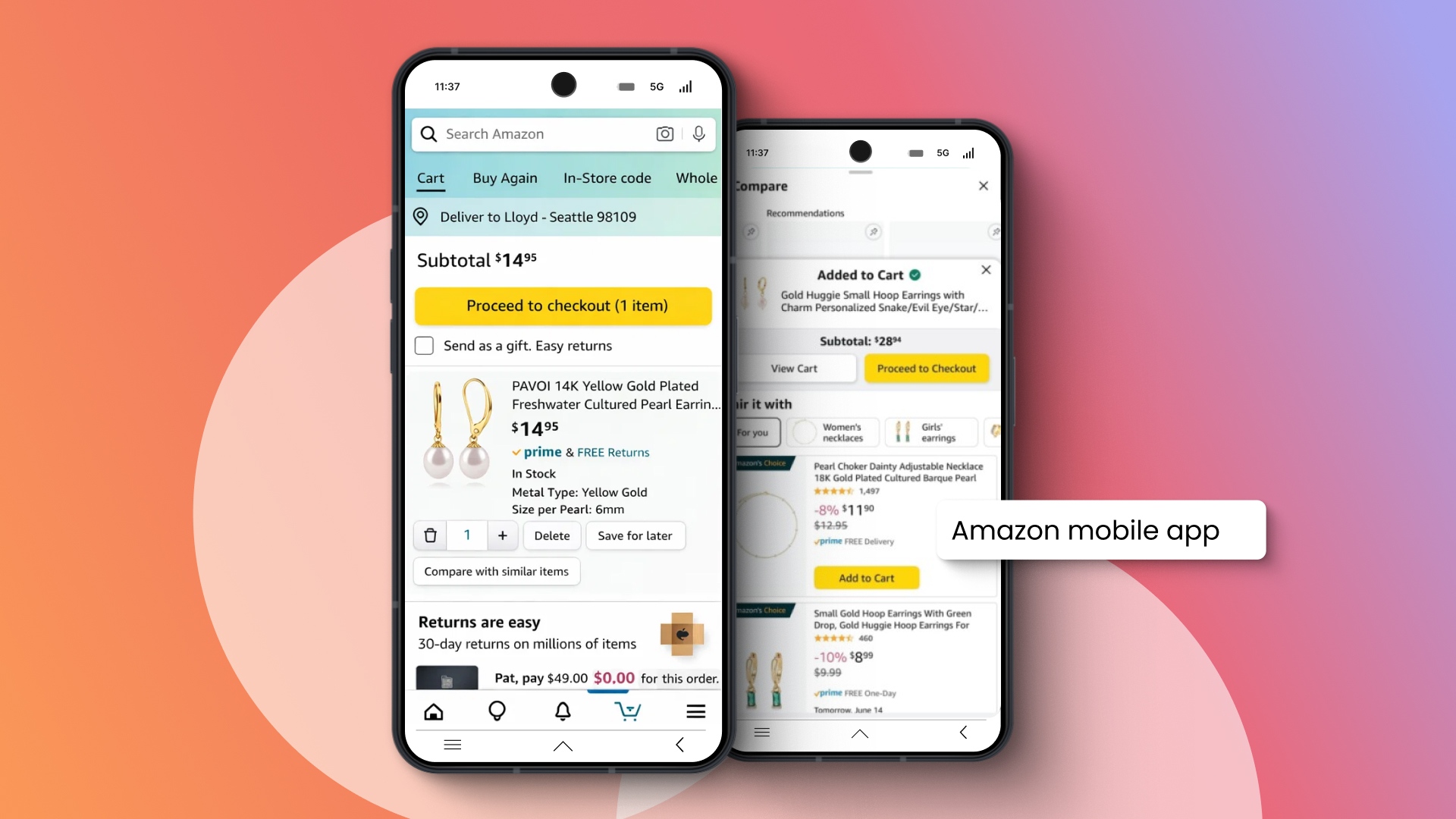
Amazon’s mobile app is engineered for speed, convenience, and conversion. It combines one-tap purchasing, real-time stock updates, and personalized recommendations that adapt to each user’s browsing and buying patterns. Features like Prime benefits (fast shipping, exclusive deals, early access) and Subscribe & Save drive loyalty, while Alexa integration lets users add items hands-free.
Next, smart push notifications alert users to price drops, order updates, and tailored promotions, keeping engagement high. The app’s search algorithm, dynamic pricing, and predictive analytics ensure relevant products surface first, maximizing conversion and average order value.
Key Takeaways for Mobile App Builders:
- Make checkout frictionless with saved payment info and one-click buying.
- Use behavioral data to drive recommendations and repeat purchases.
- Embed loyalty programs or membership perks for retention.
- Use push notifications strategically for timely, relevant user re-engagement.
Key Trade-off: While Amazon’s app is highly efficient with fast checkout and personalized recommendations, it can feel overwhelming for some users due to its vast product catalog, which may make it difficult for brands with niche products to compete effectively.
2. Sephora
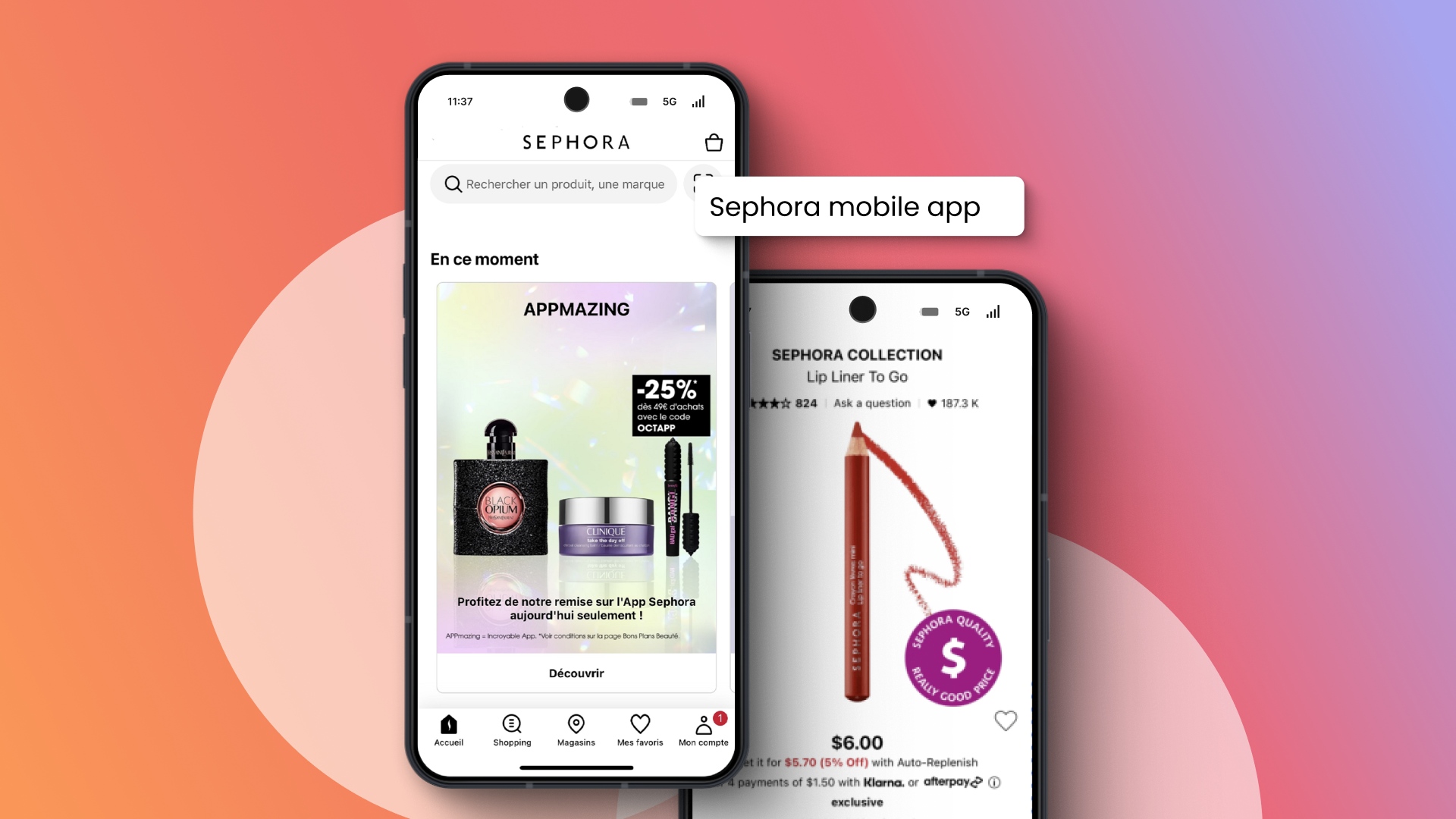
Sephora’s mobile app transforms shopping into a personalized beauty experience. It offers product discovery, virtual try-on with AR, and tailored recommendations based on purchase history and preferences. Users can book in-store services, track loyalty rewards, and receive push notifications for new launches or restocks.
Integrated tutorials, wishlists, and social sharing enhance engagement. Meanwhile, real-time inventory updates ensure availability, while data-driven analytics optimize marketing and merchandising, turning casual shoppers into loyal repeat buyers.
Key Takeaways for Mobile App Builders:
- Use AI to personalize product suggestions.
- Include AR features like virtual try-on to boost engagement.
- Integrate loyalty programs to drive repeat purchases.
- Use targeted notifications to promote launches and exclusive offers.
Key Trade-off: Sephora excels in personalization and augmented reality (AR) features, but it may be resource-intensive to replicate, requiring significant investment in AI-driven recommendations and AR technology, which may not be feasible for smaller brands.
3. Starbucks
Starbucks Coffee Company
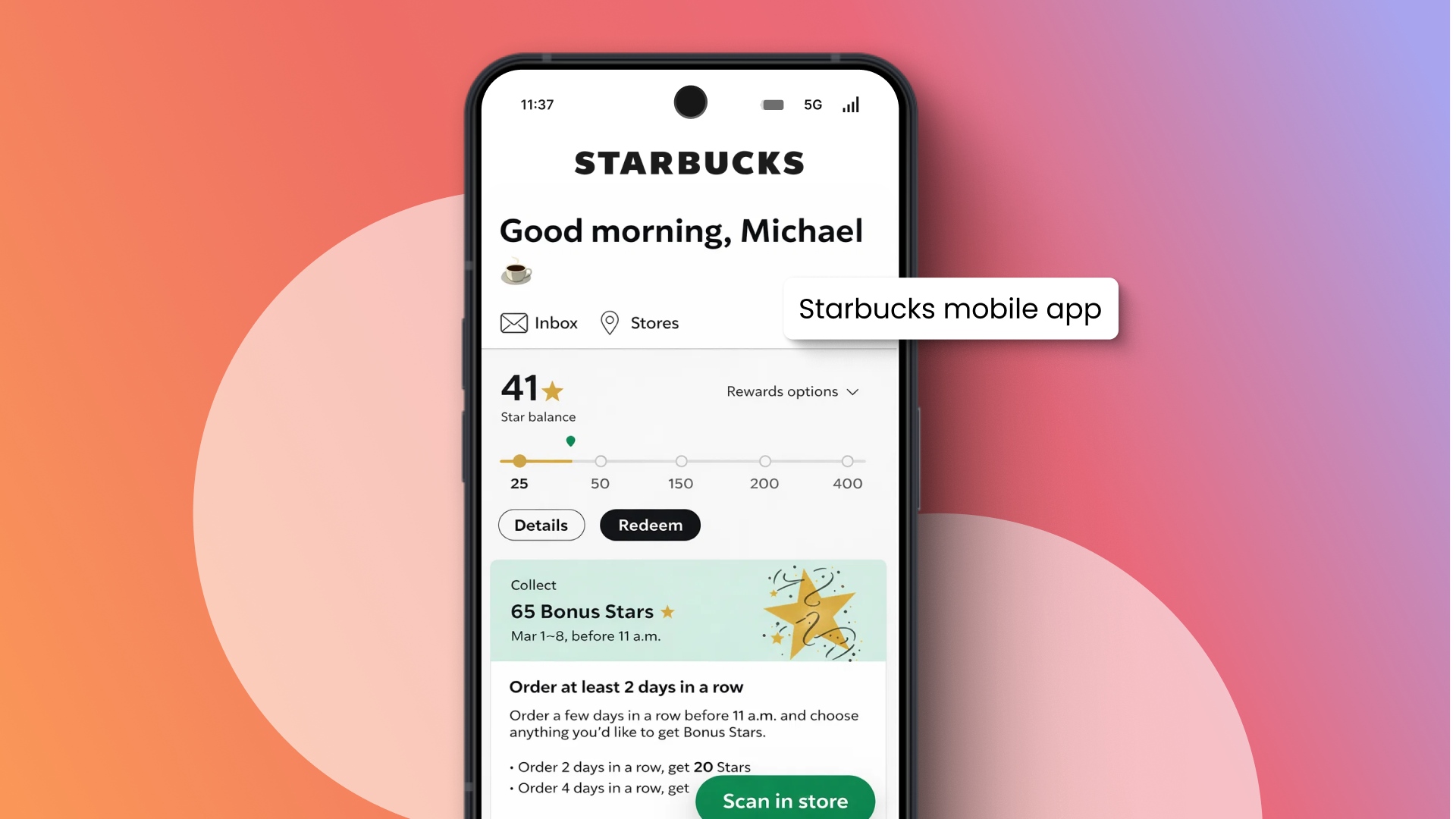
Starbucks’ mobile app redefines coffee convenience and loyalty. Customers can pre-order drinks, pay digitally, and skip lines at stores. The app integrates the Starbucks Rewards program, tracks points, and unlocks personalized perks. Location-based offers, seasonal promotions, and push notifications drive repeat visits.
Additionally, real-time order tracking, saved payment options, and app-exclusive deals create a seamless, engaging experience. Data analytics guide marketing and menu updates, turning casual coffee buyers into loyal brand advocates.
Key Takeaways for Mobile App Builders:
- Embed loyalty programs to incentivize repeat usage.
- Enable pre-order and contactless payment for frictionless transactions.
- Use location-based and personalized notifications to boost engagement.
- Incorporate real-time order tracking to enhance user trust and satisfaction.
Key Trade-off: Starbucks offers great loyalty programs and pre-ordering features, but its location-based offers might not be as effective for brands without physical locations, limiting its application for purely e-commerce-focused businesses.
4. Nike
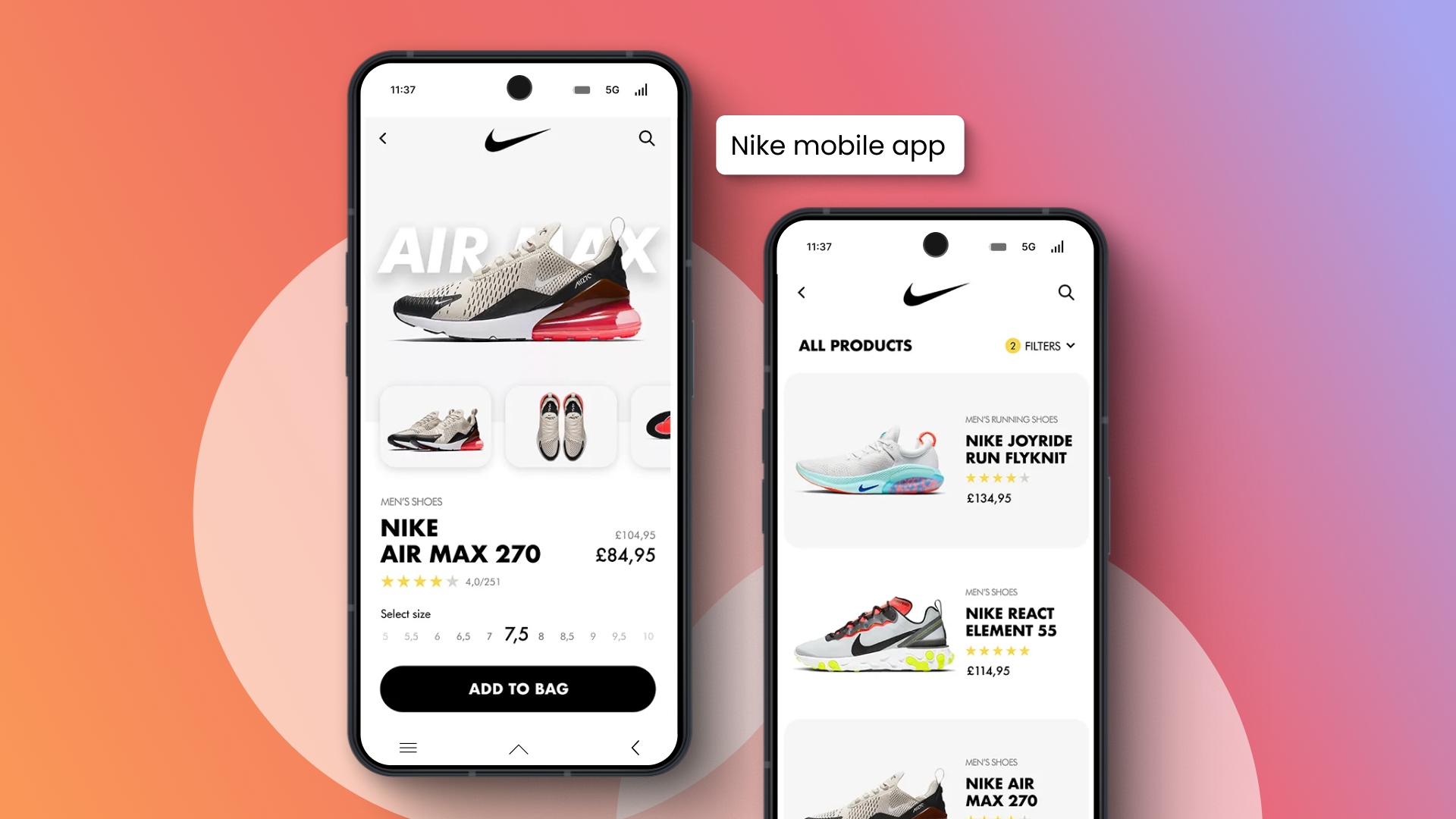
Nike’s mobile app merges shopping with lifestyle and performance tracking. Beyond product discovery, it offers personalized recommendations based on activity, purchase history, and preferences. The app integrates Nike Run Club and Training Club, connecting workouts with gear suggestions. Exclusive releases, limited-edition drops, and targeted push notifications drive engagement and urgency.
Seamless checkout, saved payment options, and loyalty perks enhance the shopping experience. Data-driven insights guide inventory, marketing, and personalization, turning occasional shoppers into committed brand enthusiasts.
Key Takeaways for Mobile App Builders:
- Personalize product suggestions based on user behavior and interests.
- Integrate lifestyle or activity features to increase engagement.
- Use exclusive releases and limited drops to drive urgency.
- Offer seamless checkout and loyalty rewards to boost retention.
Key Trade-off: Nike’s integration with fitness tracking (e.g., Nike Run Club) is a great feature, but it requires users to engage in physical activity, which may alienate less active customers or those who don’t use fitness tracking apps.
5. Walmart
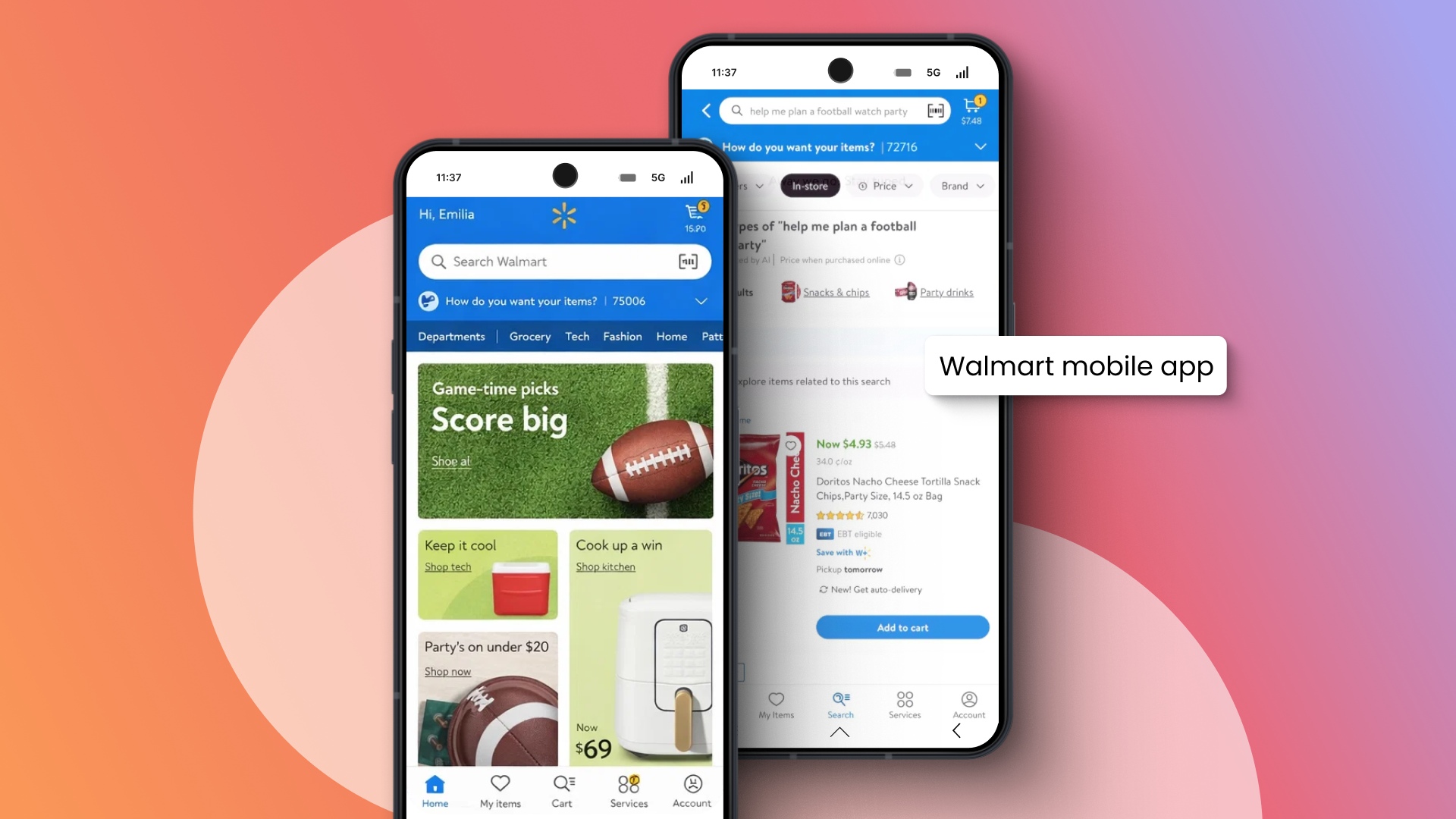
Walmart’s mobile app focuses on convenience, speed, and omnichannel integration. Users can browse millions of products, check real-time inventory at nearby stores, and choose delivery or curbside pickup. Personalized deals, digital coupons, and recommendations based on shopping history enhance engagement.
The app integrates Walmart Pay for frictionless checkout, and loyalty features like Walmart+ for free shipping and member perks. Data-driven analytics optimize product suggestions, promotions, and inventory, turning occasional shoppers into repeat, high-value customers.
Key Takeaways for Mobile App Builders:
- Offer seamless integration with physical stores for omnichannel experiences.
- Provide real-time inventory and flexible delivery or pickup options.
- Use personalization and digital coupons to increase engagement.
- Integrate loyalty programs and frictionless payments to encourage repeat purchases.
Key Trade-off: Walmart’s omnichannel integration (in-store pickup and curbside delivery) is an excellent feature for retail-heavy businesses, but it can be less relevant for e-commerce-only brands, where fast shipping and online-only features are more essential.
6. Glossier
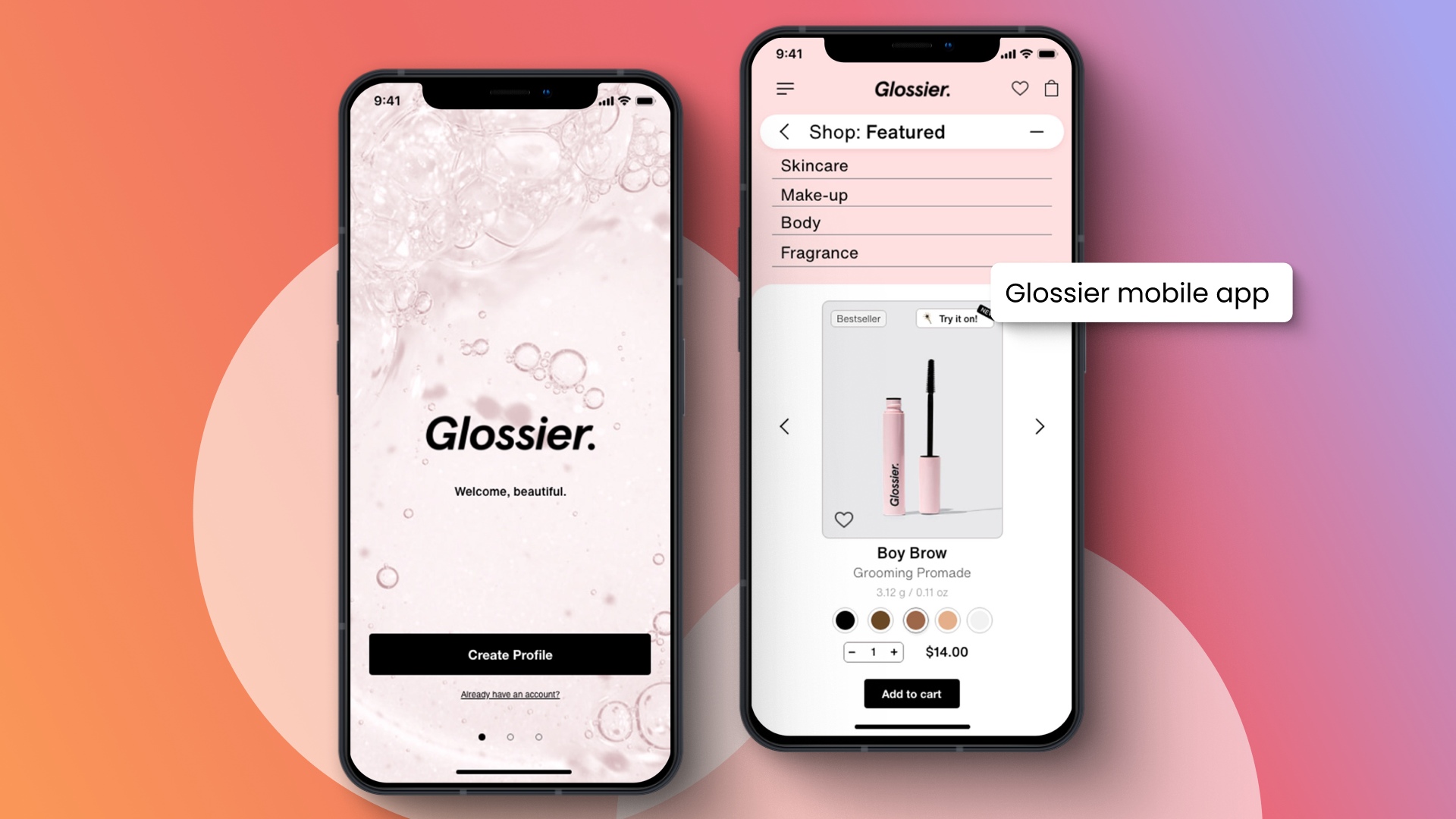
Glossier’s mobile app emphasizes community-driven, beauty-first shopping. It combines personalized product recommendations, content-driven tutorials, and user reviews to create a curated, social experience. The app allows users to explore new launches, build wishlists, and access loyalty perks while tracking order status and inventory in real time.
Moreover, push notifications alert users to product drops, restocks, and promotions. Analytics and behavioral insights help Glossier refine personalization, boost engagement, and turn casual visitors into repeat, loyal buyers.
Key Takeaways for Mobile App Builders:
- Build community and content integration to enhance product discovery.
- Use personalized recommendations based on purchase history and behavior.
- Implement push notifications for launches, restocks, and promotions.
- Include loyalty programs and real-time order/inventory updates to drive retention.
Key Trade-off: Glossier’s focus on community-driven shopping and social features makes it highly engaging, but this model may not be suitable for all brands, particularly those in more traditional industries that may not benefit from community-based features.
7. Net-a-Porter
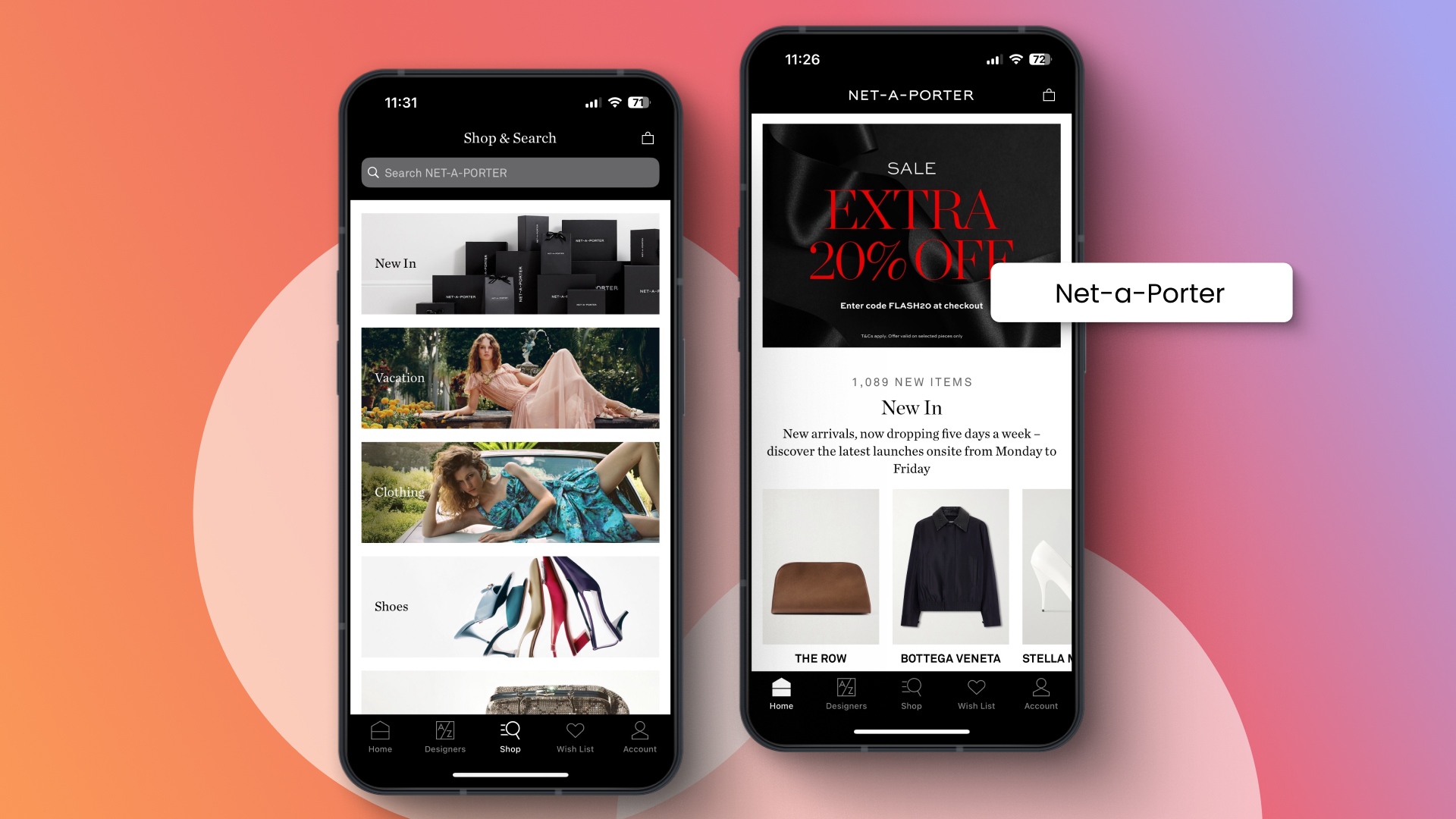
Net-a-Porter’s mobile app delivers a luxury shopping experience tailored for high-end fashion buyers. It combines curated collections, real-time inventory, and AI-driven product recommendations to help users discover items aligned with their style preferences. Users can access exclusive drops, track orders, create wishlists, and receive personalized alerts on promotions or back-in-stock items.
The app integrates editorial content and trend guides, enhancing inspiration while driving engagement. Analytics and behavioral insights inform merchandising and marketing strategies, boosting conversion and repeat purchases.
Key Takeaways for Mobile App Builders:
- Curate content and collections to guide product discovery.
- Use AI for style-based personalized recommendations.
- Send targeted notifications for restocks, drops, and promotions.
- Integrate editorial content to enhance engagement and inspiration.
Key Trade-off: Net-a-Porter’s luxury shopping experience is exceptional for high-end buyers, but it’s not scalable for brands with lower price points or mass-market products due to its focus on premium features and curated content.
8. Ipsy
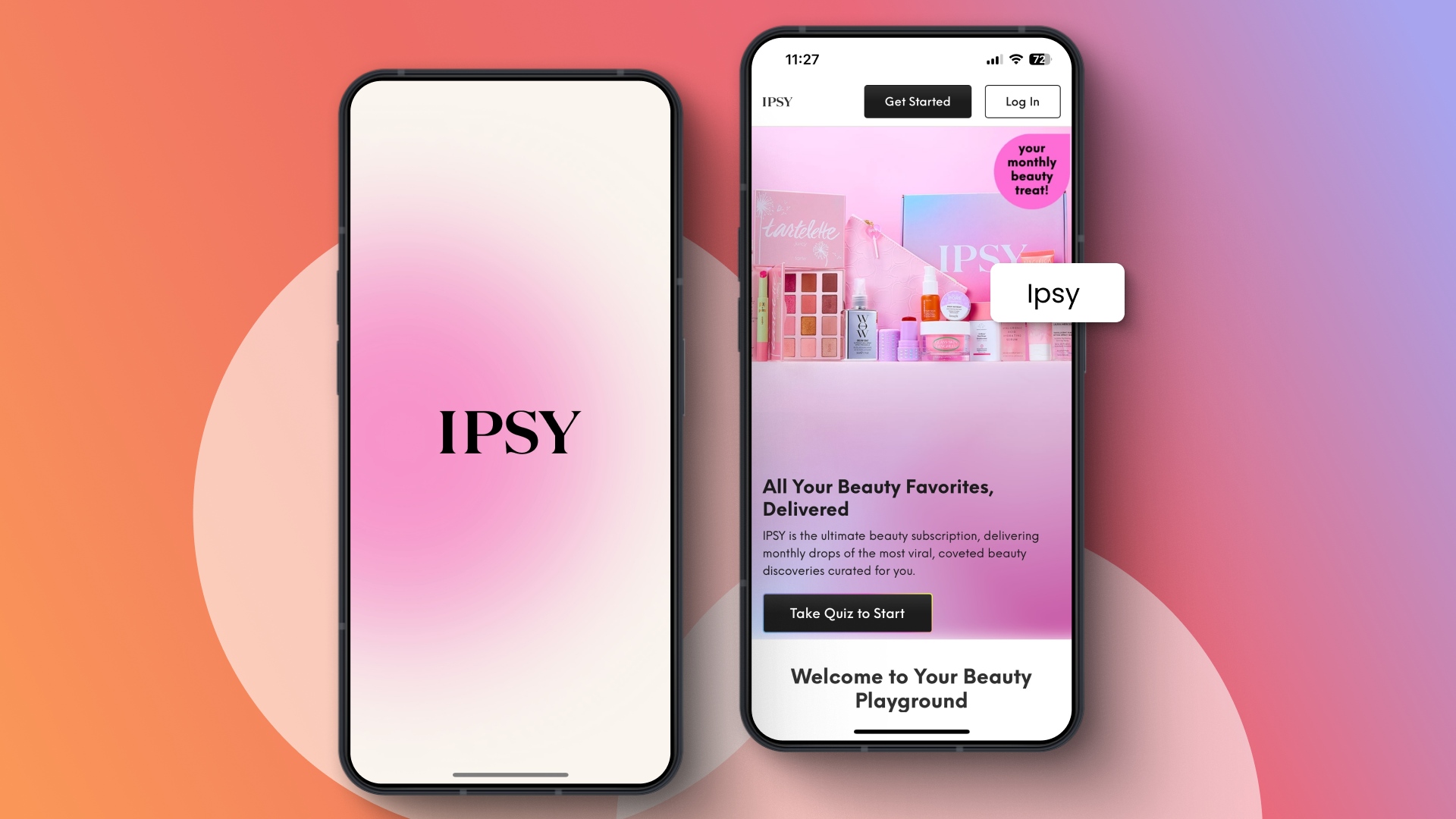
Ipsy’s mobile app focuses on personalized beauty discovery and subscription management. Users receive curated product recommendations based on their preferences, past reviews, and beauty profiles. The app offers in-app tutorials, user-generated reviews, and interactive quizzes to refine personalization.
Subscribers can manage their monthly glam bags, track shipments, and access exclusive offers. Push notifications alert users about new products, limited editions, and subscription updates. Behavioral analytics help optimize recommendations and marketing campaigns, turning casual users into loyal, recurring subscribers.
Key Takeaways for Mobile App Builders:
- Use detailed user profiles to deliver hyper-personalized recommendations.
- Include interactive features like quizzes and tutorials to increase engagement.
- Send targeted notifications for new products and subscription updates.
- Use behavioral analytics to refine personalization and marketing strategies.
Key Trade-off: Ipsy’s subscription model works well for beauty brands, but it may not be applicable to other industries that do not have subscription-based business models. Additionally, it may not be as effective in markets where one-time purchases are more common than repeat subscriptions.
Once you see what’s working in the market, it’s time to break down the core features that truly drive app performance and retention.
Also Read: How to Increase Mobile Conversion Rate: 20 Top Strategies for 2026
Core Features That Make M Commerce Apps Successful
Mobile commerce apps succeed when they combine user-centric design with operational efficiency. Beyond just looking good, they need to simplify purchasing, personalize experiences, and build trust, ensuring customers return, engage, and buy more over time. The features below are proven levers that separate high-performing apps from basic ones.
1. Seamless Checkout and Real-Time Inventory Sync
A fast, frictionless checkout is a conversion driver. Mobile commerce apps with real-time inventory updates prevent overselling, reduce cart abandonment, and ensure customers always see what’s available. Features like one-click payments, saved cards, and integrated digital wallets boost purchase decisions, making buying effortless while minimizing drop-offs.
2. Personalized Recommendations and Loyalty Programs
Top apps use behavioral data and purchase history to suggest relevant products, creating a tailored shopping journey. Loyalty programs, integrated directly into the app, reward repeat purchases, encourage upsells, and build long-term engagement. The combination of AI-driven recommendations and reward mechanics turns casual shoppers into loyal brand advocates.
3. Push Notifications, Cross-Channel Engagement, and Analytics
Push notifications, when targeted and timely, re-engage users without being intrusive. Cross-channel messaging, via email, in-app, or SMS, ensures the experience is cohesive. Behind the scenes, analytics track click-throughs, conversion paths, and engagement metrics, allowing brands to refine campaigns, optimize user flows, and increase lifetime value.
4. Security, Privacy, and Multi-Language Support
Robust security protocols protect sensitive user data, building trust and reducing churn. Privacy compliance (like GDPR or CCPA) is critical for global audiences. Multi-language and currency support not only enhances accessibility but also expands reach, helping brands reach into diverse markets without compromising UX or reliability.
Understanding these success factors, let’s dive into actionable steps for planning, designing, and launching a mobile commerce app that converts.
How to Launch Your Own Mobile Commerce App?
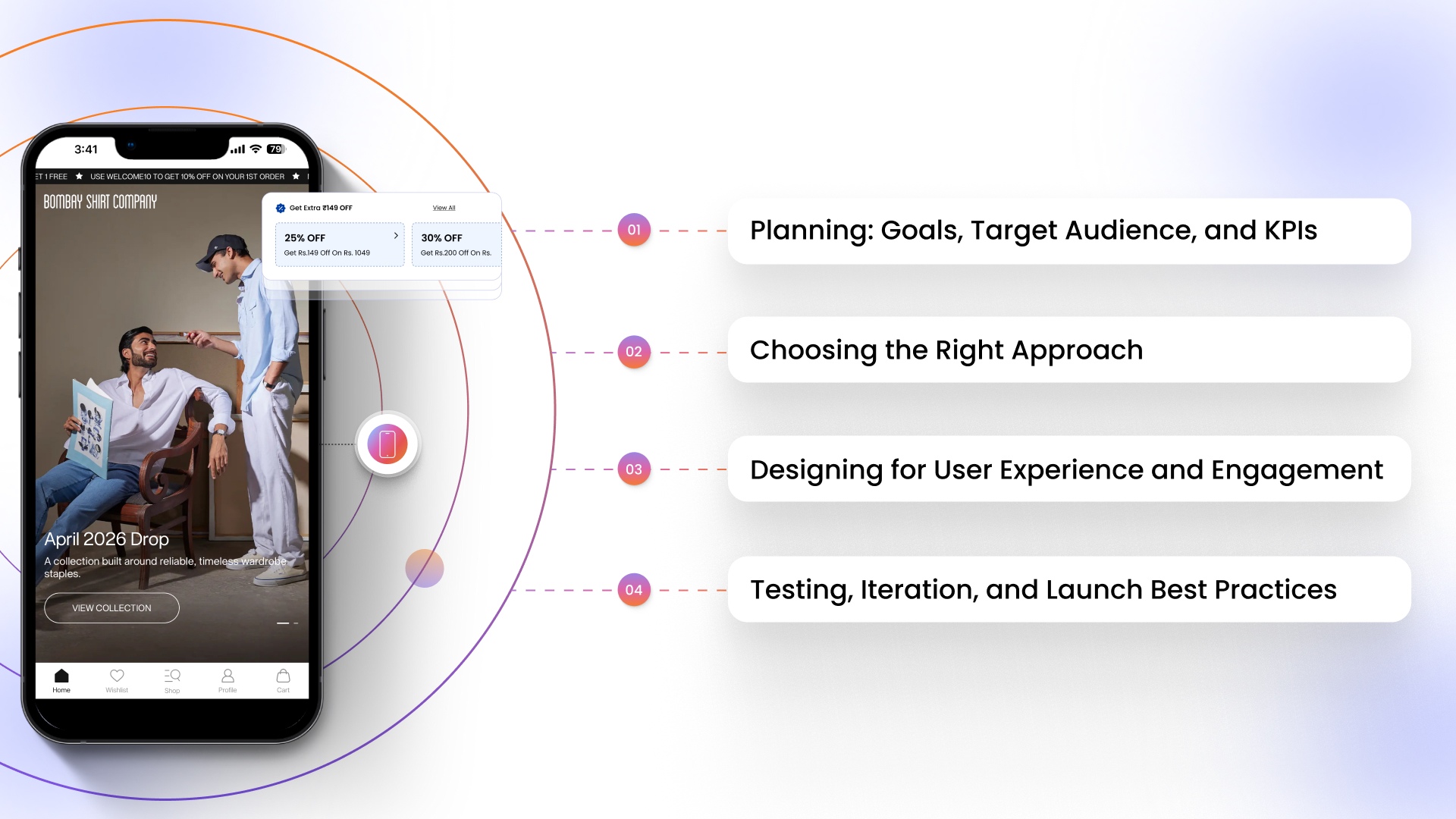
Launching a mobile commerce app goes beyond coding. You have to align business goals, user needs, and long-term growth. A successful launch ensures your app isn’t just functional but also engaging, easy to use, and built to drive retention and revenue from day one. Below are the essential steps to make it happen.
1. Planning: Goals, Target Audience, and KPIs
Start by defining your business objectives, whether it’s increasing sales, improving retention, or expanding into new markets. Identify your target audience, their device preferences, shopping habits, and pain points.
Establish key performance indicators (KPIs) like conversion rate, average order value, and retention metrics to measure success and guide decisions throughout development.
2. Choosing the Right Approach: No-Code, Template, or Custom Build
Deciding how to build your app depends on budget, timeline, and technical resources. No-code platforms like AppMaker allow non-technical teams to quickly launch apps with pre-built templates, while still offering customization for branding and user experience.
For brands needing full control and unique features, a custom-built solution may be ideal, though it requires more time and investment. Hybrid approaches, templates enhanced with custom modules, strike a balance between speed and flexibility.
3. Designing for User Experience and Engagement
User experience is the backbone of your app’s success. Focus on intuitive navigation, fast load times, and minimal friction at checkout. Incorporate features like personalized feeds, wishlists, and loyalty prompts to keep users engaged.
Visual hierarchy, accessibility, and consistent branding across screens ensure users feel confident and connected to your brand.
4. Testing, Iteration, and Launch Best Practices
Before going live, rigorously test functionality, speed, and compatibility across devices. Gather feedback from beta users to identify friction points. Iterate quickly on UI/UX improvements, bug fixes, and backend optimizations.
Additionally, plan your launch with staggered releases or soft launches to monitor performance and adjust strategies in real-time, ensuring a smooth rollout and high adoption.
Now that we've covered the essential steps to launch your mobile commerce app, let's look at some common mistakes brands make during the development and launch process, and how to avoid them.
Common Mobile Commerce App Mistakes to Avoid
Building a successful mobile commerce app isn’t just about launching with flashy features. It’s about creating a seamless experience that keeps users engaged and coming back. Many apps fall short in key areas, which can directly impact their performance and user loyalty. Here are the 5 most serious mistakes that can hurt your app's success:
Having seen the common mistakes that can affect the success of your mobile commerce app, let’s now shift our focus to optimization strategies that can help you drive growth, improve retention, and enhance user experience.
Optimize and Grow Your Mobile Commerce App in 2026
Launching your app isn’t the finish line; it’s the starting point for making it a revenue engine. Growth comes from understanding exactly how users interact, what drives them to buy, and where they drop off. Here’s what you need to know.
1. Retention Strategies: Lifecycle Campaigns and Push Notifications
Don’t just send generic notifications. Segment users based on behavior, first purchase, repeat buyers, or dormant users, and create campaigns that speak to them specifically. Push notifications should feel helpful, not spammy, nudging users back to the app with clear value.
2. Personalization and AI-Powered Product Recommendations
Stop showing everyone the same products. AI-driven recommendations mean each user sees what actually interests them. Smart product suggestions increase conversions, reduce abandoned carts, and make users feel your app “gets” them.
3. Analytics-Driven Decision-Making and A/B Testing
Track what’s happening, not what you think is happening. Measure clicks, conversions, time in-app, and drop-offs. Run small A/B tests on features, offers, and notifications, then double down on what works. Data should also guide discoverability. Based on Appmaker’s internal analysis, apps that implement a keyword-driven App Store Optimization (ASO) strategy can see up to 87% more organic installs, making it a critical lever for sustainable growth.
4. Scaling Your App Beyond Initial Launch
Once retention and personalization are set, think bigger. Add new markets, languages, or payment options. Integrate with loyalty or referral programs. Scaling is about making the app smarter and more useful for every user.
Also Read: Benefits of Mobile Apps for Small Businesses in 2026
Build Your Own Mobile Commerce App with AppMaker
Once you understand the features that make top mobile commerce apps succeed and how to create one, the next step is bringing your own app idea to life, fast, flexible, and fully optimized. AppMaker lets brands create mobile apps that not only launch quickly but also drive engagement, retention, and revenue from day one.
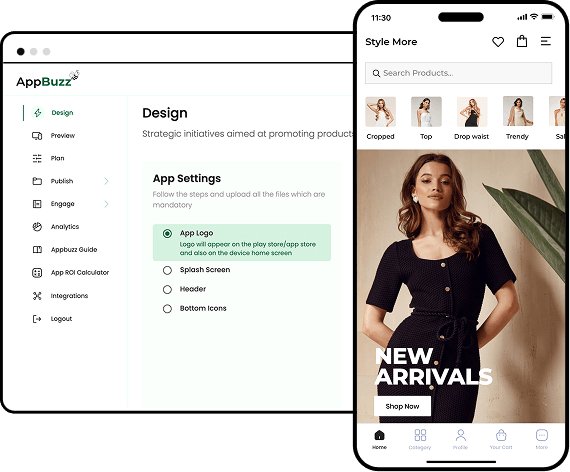
AppMaker provides a no-code platform designed for both non-technical teams and developers seeking deep control, blending ease-of-use with advanced customization capabilities.
Here’s what we offer:
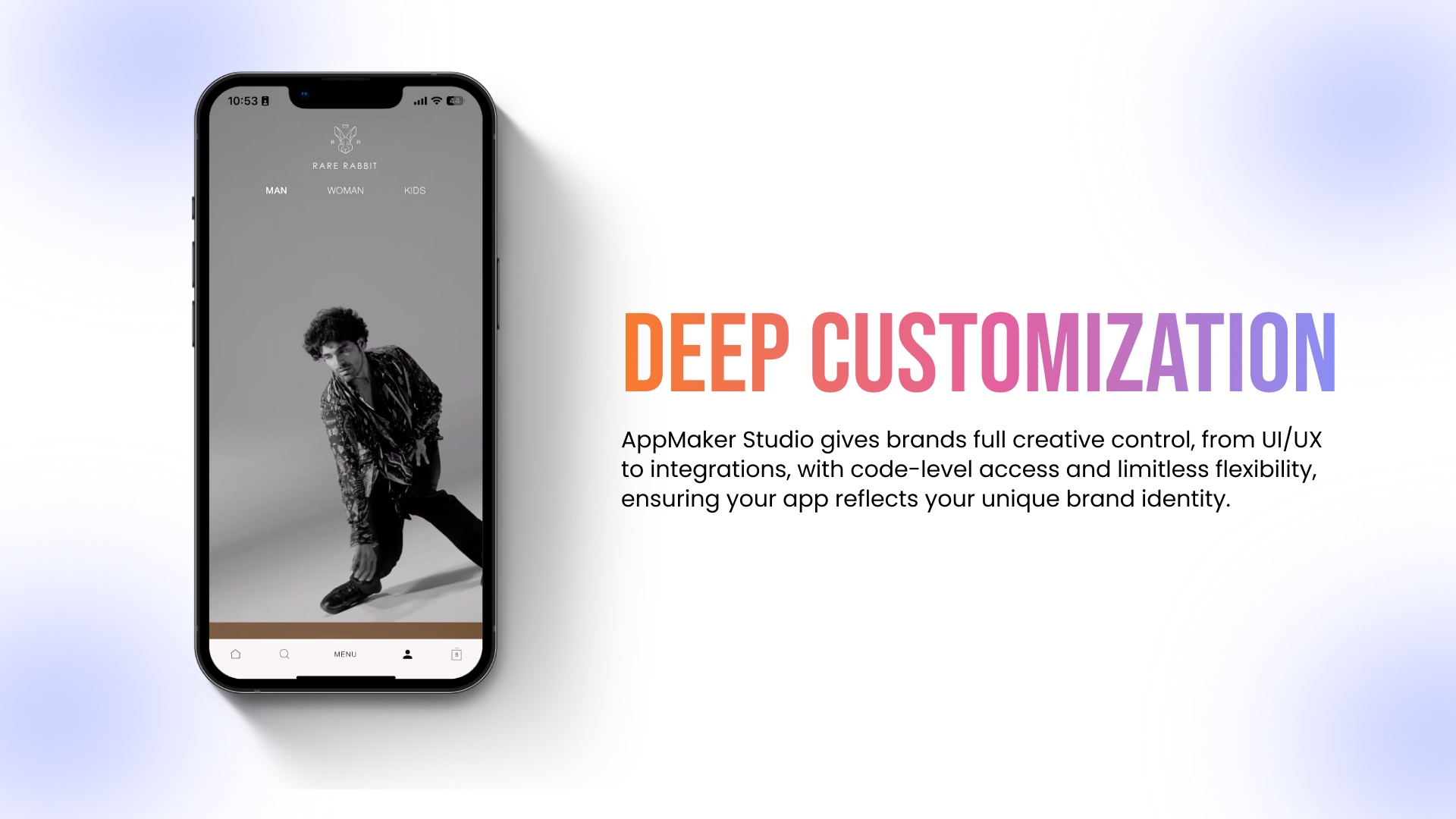
1. Deep Customization: AppMaker Studio gives brands full creative control, from UI/UX to integrations, with code-level access and limitless flexibility, ensuring your app reflects your unique brand identity.
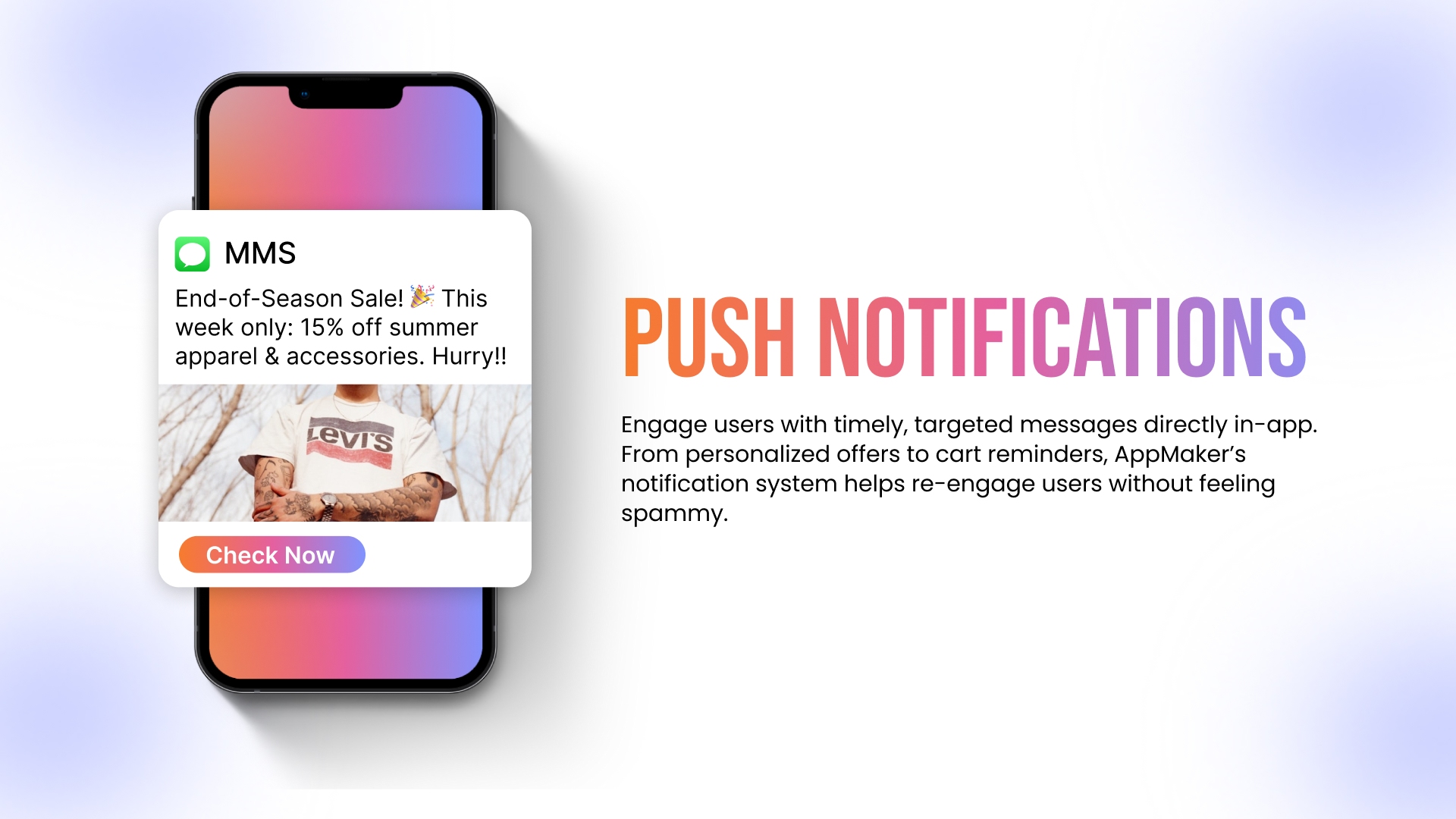
2. Push Notifications: Engage users with timely, targeted messages directly in-app. From personalized offers to cart reminders, AppMaker’s notification system helps re-engage users without feeling spammy.
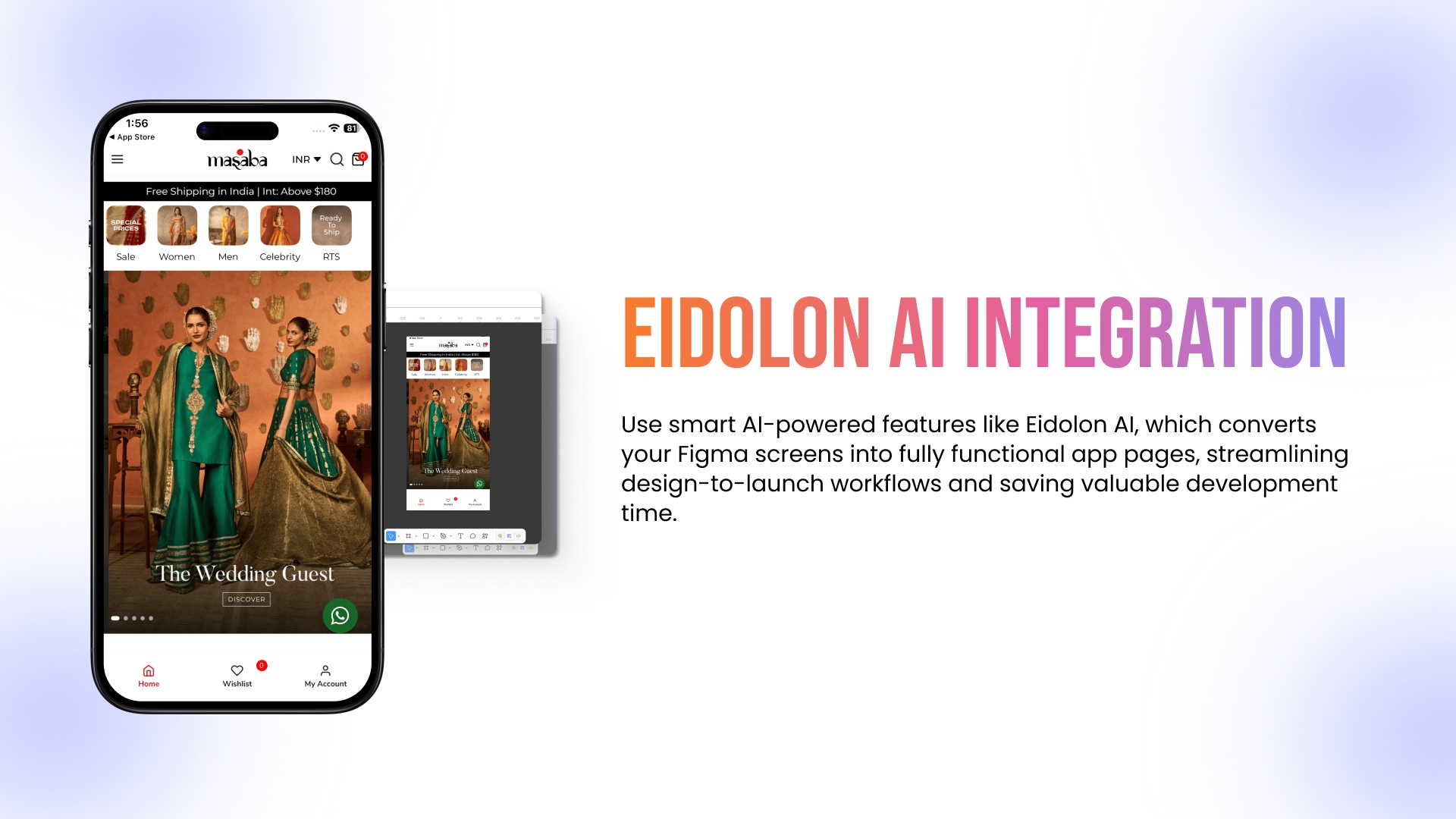
3. Eidolon AI Integration: Use smart AI-powered features like Eidolon AI, which converts your Figma screens into fully functional app pages, streamlining design-to-launch workflows and saving valuable development time.
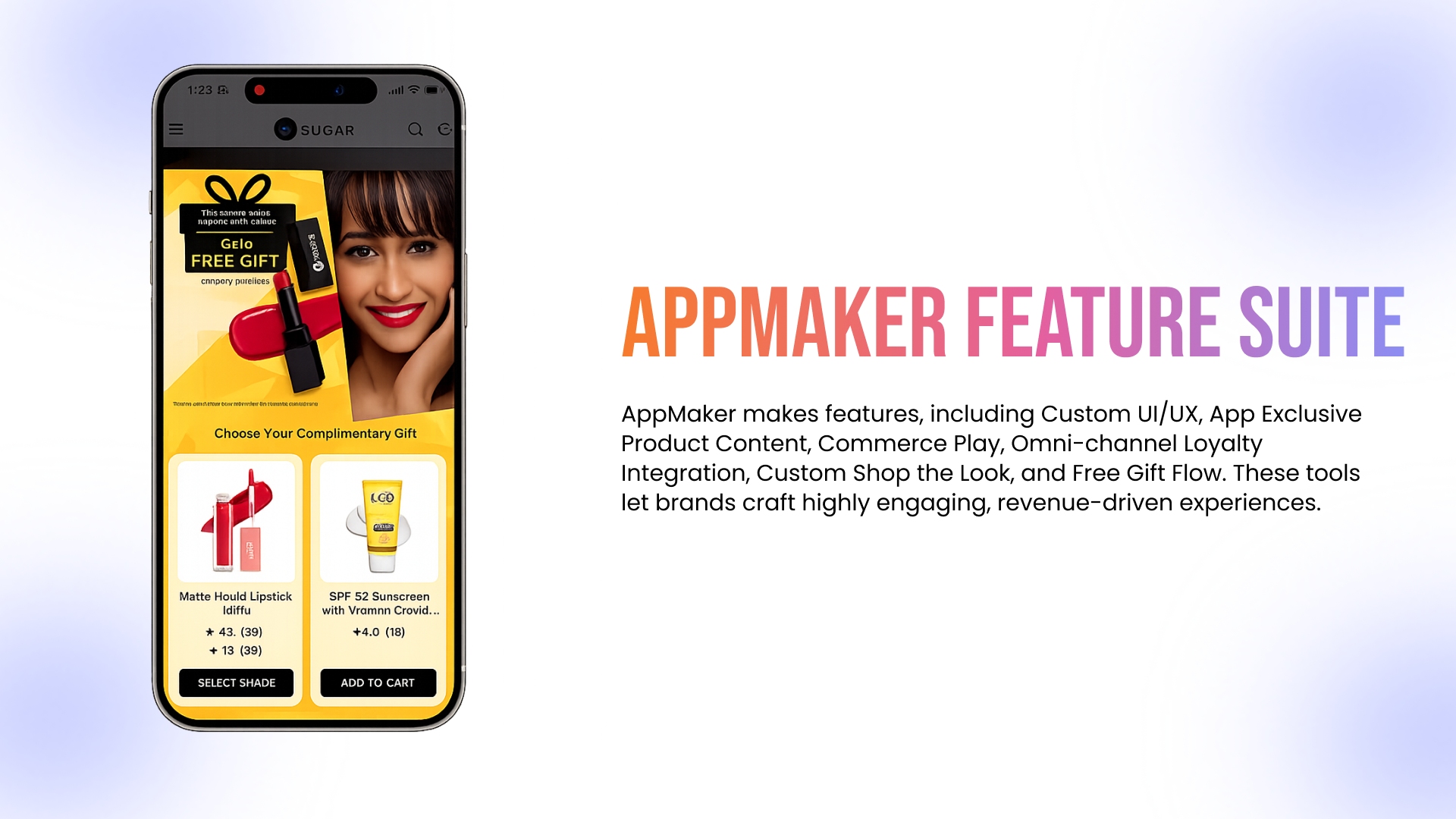
AppMaker Feature Suite: AppMaker makes features, including Custom UI/UX, App Exclusive Product Content, Commerce Play, Omni-channel Loyalty Integration, Custom Shop the Look, and Free Gift Flow. These tools let brands craft highly engaging, revenue-driven experiences.
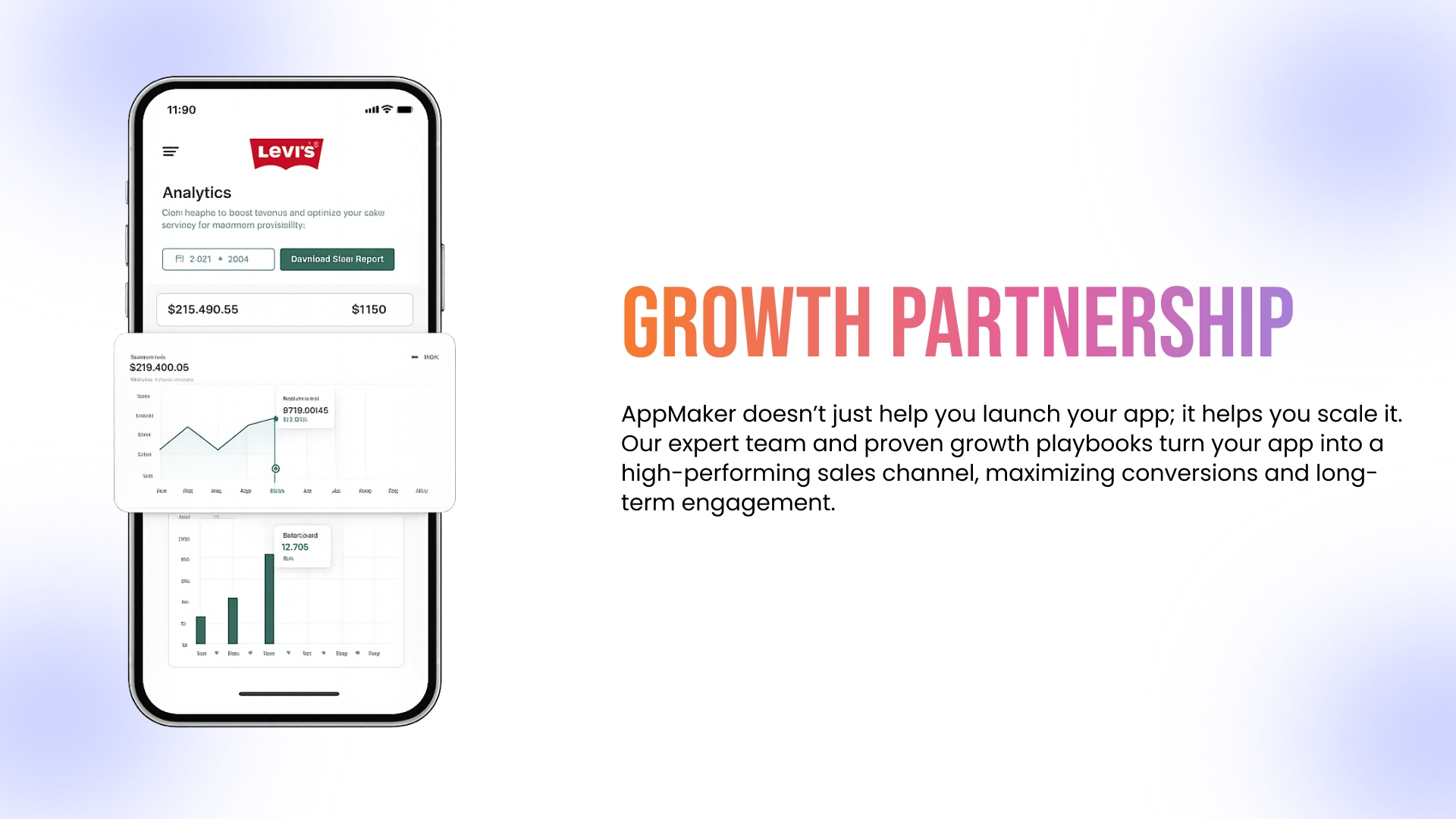
Growth Partnership: AppMaker doesn’t just help you launch your app; it helps you scale it. Our expert team and proven growth playbooks turn your app into a high-performing sales channel, maximizing conversions and long-term engagement.
With AppMaker, your brand has the power to create fully customized, high-performing mobile apps that launch quickly and drive measurable results. But don’t just take our word for it; let’s explore some real-world case studies where brands have used these features and achieved remarkable revenue gains.
1. Escaway
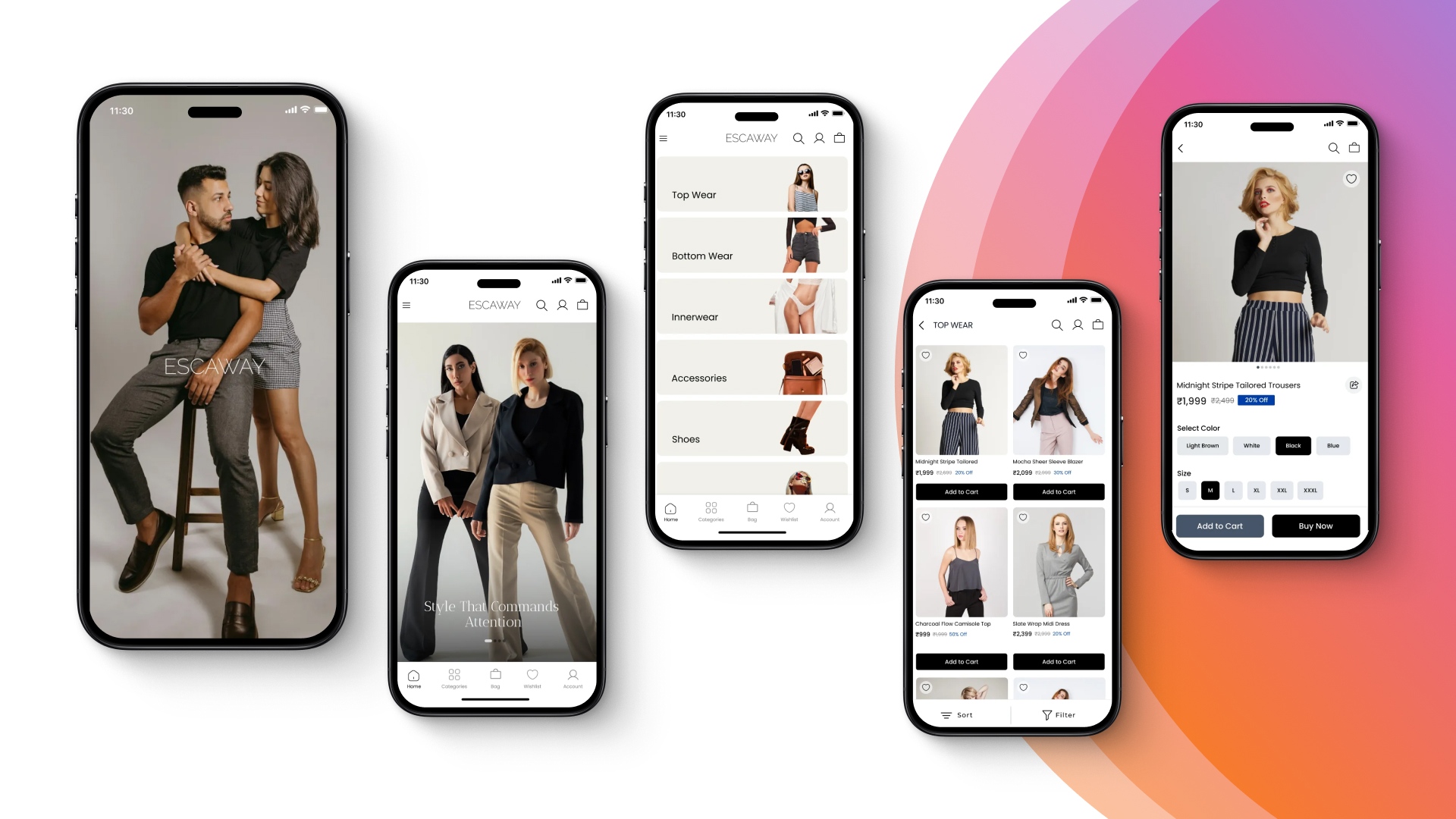
Escaway’s app features a clean, product‑first layout that highlights inventory at a glance, making browsing effortless. Built on AppMaker, it uses branded navigation and intuitive categories, helping users find products without friction. Its clear visuals and streamlined browsing experience demonstrate how prioritizing simplicity and user‑friendly design improves engagement for fashion and lifestyle brands.
2. Glamora
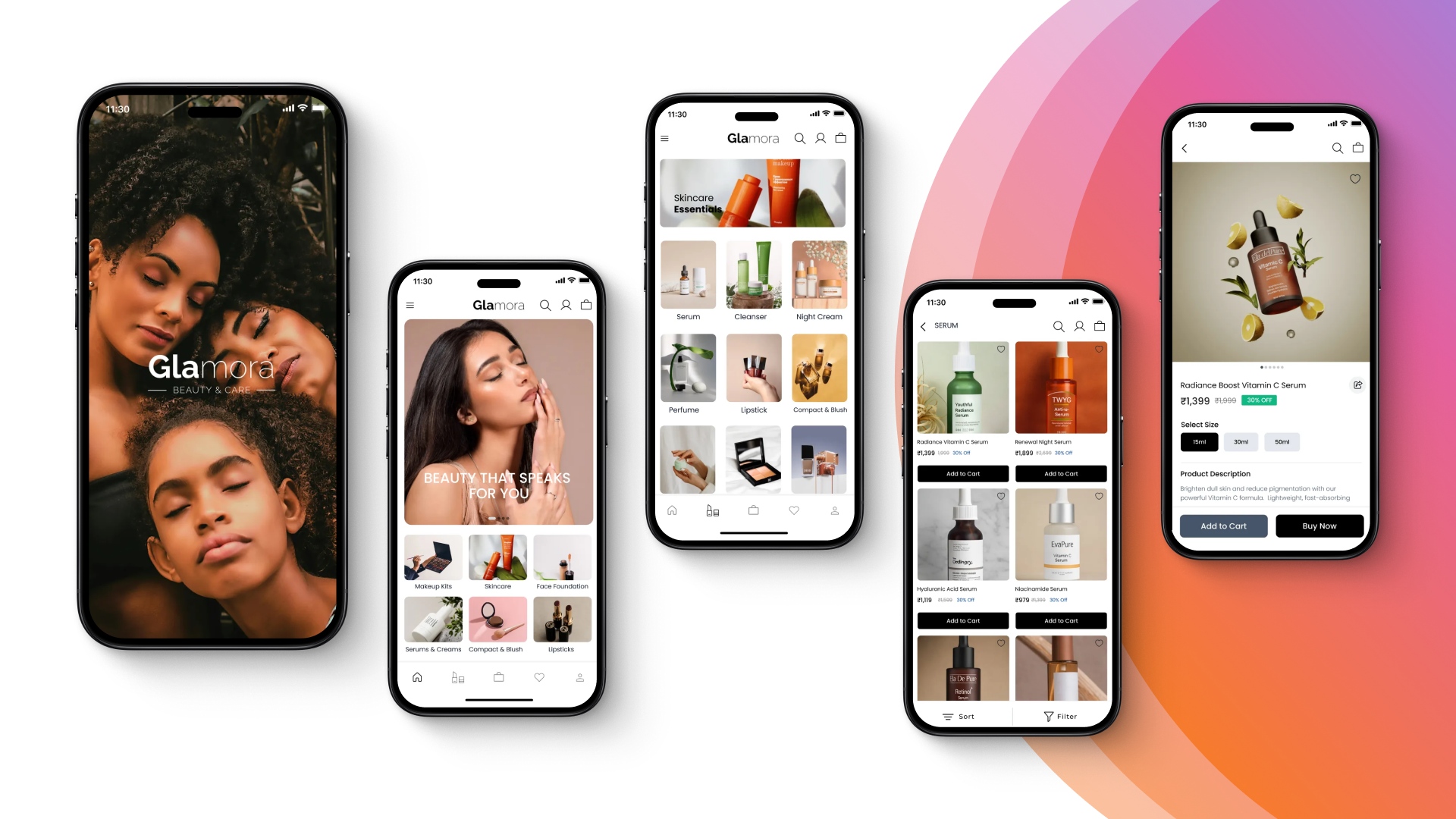
Glamora’s mobile presence focuses on visual appeal and intuitive flow, showcasing curated collections and featured products prominently. The app structure encourages discovery and deeper browsing, which is vital for beauty and accessory brands. By combining strong visuals with organized category architecture, Glamora exemplifies how thoughtful UX design can elevate brand perception and keep users engaged.
3. Petzo
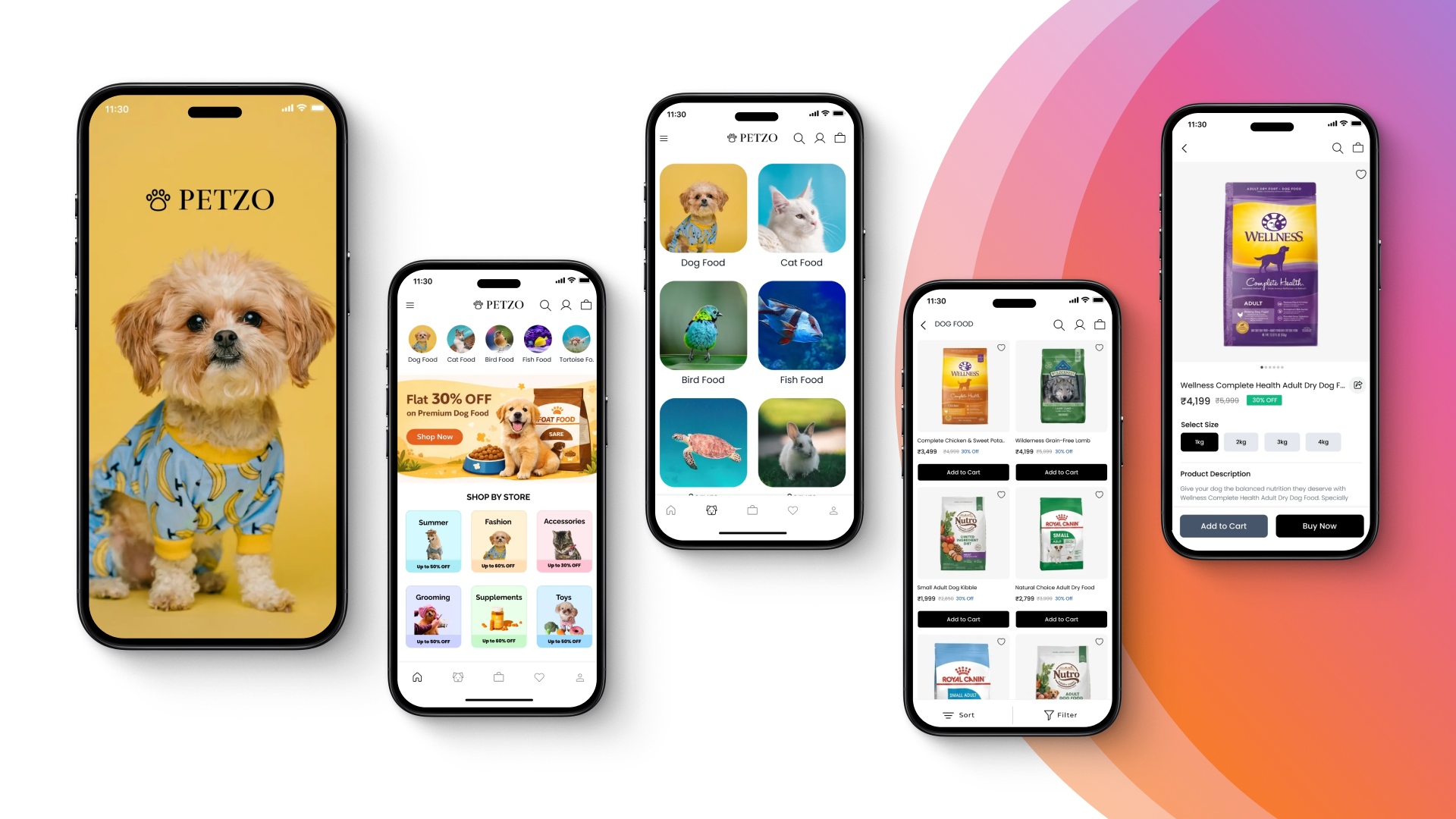
Petzo’s app presents a user‑friendly interface tailored for pet owners, with clear product groupings and engaging imagery. Built with AppMaker, the app’s layout prioritizes discoverability and ease of use, making it easier for customers to browse essentials and specialized products. This example shows how a niche‑focused app can reinforce user trust through simplicity and relevant presentation.
AppMaker has driven measurable impact across categories. Based on Appmaker’s internal customer analysis of top 200+ brands, we have contributed 50% in fashion, 70% in pet supplies, 45% in personal care, and 55% in food & nutrition, proving every app isn’t just built, it performs.
Conclusion
Mobile commerce in 2026 is defined by apps that combine speed, personalization, and seamless shopping experiences. Leading apps demonstrate how real-time inventory, AI-driven recommendations, loyalty programs, and push notifications transform casual users into repeat buyers while driving engagement and revenue consistently.
AppMaker stands out as the platform to turn these insights into action. With deep customization, App-exclusive features, smart push notifications, and much more, brands can build apps that not only look great but also drive measurable revenue and engagement across categories, from fashion to pet supplies and food.
If you’re ready to create a mobile commerce app that converts, connects, and grows with your brand, reach out to AppMaker today and start building a high-performing sales channel.
FAQs
1. What are the advantages of creating an eCommerce mobile app?
A mobile app lets brands sell faster and smarter. Beyond instant browsing and one-tap checkout, it tracks user behavior, sends timely push offers, integrates loyalty rewards, and personalizes product feeds. This directly boosts repeat purchases and engagement metrics.
2. How to create mobile apps that make $3,000 a day?
Target high-value users, segment push notifications by purchase behavior, and optimize checkout flows. Implement AI-powered product suggestions, flash deals, and lifecycle campaigns. Success comes from tracking conversions per campaign, iterating weekly, and scaling top-performing triggers.
3. How much does it cost to build an m-commerce app?
No-code platforms like AppMaker, Tapcart, or Shopney start at ~$500–$5,000 for fully functional apps with templates, integrations, and basic analytics. Custom-built apps with advanced AI, real-time inventory, and omnichannel features can exceed $50,000–$100,000. Maintenance and updates are extra.
4. Which industries benefit most from mobile apps?
Retail, fashion, specialty marketplaces, food delivery, and subscription-based businesses see the highest ROI. Any industry with repeat buyers, high lifetime value, or frequent promotions can benefit from app-based engagement.
5. Can non-technical teams launch without a developer?
Yes. Drag-and-drop no-code platforms like AppMaker let marketing or product teams design, integrate payments, and launch apps in days, without coding. For advanced features like custom analytics or AI recommendations, a developer may still be needed.