
























Peak shopping periods are the busiest sales windows of the year, where demand spikes, competition intensifies, and customer behavior shifts rapidly. Brands that wait to optimize until peak traffic arrives often lose out on conversions because they weren’t ready for the sudden surge in intent or mobile demand.
In fact, half of the $241.4 billion in U.S. online holiday sales happened on smartphones in November and December 2024, showing how consumers increasingly shop on the go and expect fast, seamless experiences. Understanding when and how to prepare for these peak moments can make the difference between missed opportunity and sustainable growth.
In this blog, we will discuss the best times to optimize for peak shopping periods, common pitfalls brands face, and proven strategies to boost sales effectively.
Overview
- Brands must plan months ahead to align inventory, campaigns, and customer experiences to convert short peak windows into sustainable revenue.
- Peak periods vary from global sale events to micro-occasions, each with unique shopper behavior requiring tailored merchandising, pricing, and mobile strategies.
- Common failures include slow site performance, over-reliance on paid channels, weak post-purchase engagement, and lack of real-time owned channel activation.
- Optimizing mobile experiences, personalization, data-driven forecasting, and seamless checkout flows ensures high-intent traffic converts efficiently during surges.
- Post-peak follow-up, loyalty flows, and performance analysis turn seasonal buyers into repeat customers, feeding smarter forecasts and stronger results for the next peak.
What Are Peak Shopping Periods and Why Timing Matters?
Peak shopping periods are short windows when demand, traffic, and sales surge due to holidays, sale events, or seasonal buying cycles. A significant share of annual revenue gets concentrated into these compressed timelines, while customer behavior shifts toward faster decisions, deal-seeking, and increased browsing before purchase.
These peaks are now heavily mobile-driven, with shoppers relying on apps for speed and convenience during time-sensitive promotions.
Optimizing early helps brands manage:
- Traffic spikes
- Deliver seamless experiences
- Capture impulse purchases
It ultimately improves conversions while setting the foundation for stronger post-peak retention.
Now that we understand why timing matters, let’s explore the exact peak periods every D2C brand must strategically plan for.
What are the Major Peak Shopping Periods Every D2C Brand Must Prepare For?
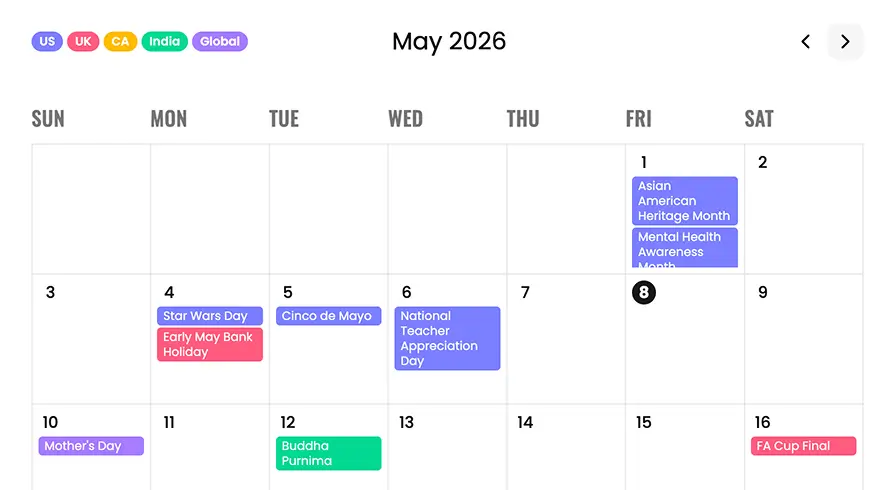
Peak demand isn’t limited to year-end holidays. Mid-year events, global sale festivals, and emotionally driven micro-occasions collectively shape a year-round peak calendar for D2C brands. Each window reflects a distinct purchase mindset, from deal-seeking urgency to gifting intent, requiring tailored merchandising, pricing, and engagement strategies.
Mid-Year Peaks
- Amazon Prime Day: Marketplace-driven urgency with a 60–90 day preparation window across inventory, pricing, and retention.
- Summer sales & back-to-school: Category-led spikes in fashion, electronics, and essentials driven by value-focused shoppers.
Holiday Super Peak
- Halloween: Impulse purchases across décor, costumes, and themed gifting.
- Singles’ Day: Global discount expectations influencing pricing psychology and cross-border demand.
- Black Friday & Cyber Monday: Massive traffic surges require performance readiness and aggressive promotions.
- Super Saturday: Last-minute conversions driven by speed, delivery assurance, and convenience.
- Christmas & Boxing Day: Post-gift shopping, exchanges, and retention-focused campaigns.
Emerging Micro-Peaks
- Valentine’s Day: Emotion-led gifting with bundle and reminder-driven purchases.
- Mother’s Day: Storytelling and appreciation-driven buying behavior.
- Seasonal demand spikes: Weather and lifestyle shifts create predictable product surges.
- Brand-specific promotions & launches: Controlled micro-peaks that stimulate urgency and smooth revenue gaps.
Having mapped the calendar, it’s equally important to see why many brands still fail to convert peak traffic into sustained revenue.
Also Read: 10 Smart Ways to Promote Your Shopify Store in 2026
Why Most D2C Brands Miss Peak Season Opportunities?
Peak seasons promise explosive traffic, but many D2C brands fail to translate attention into sustainable revenue. The gap often lies in operational readiness, lifecycle planning, and channel strategy, turning what should be growth windows into missed conversion and retention opportunities.
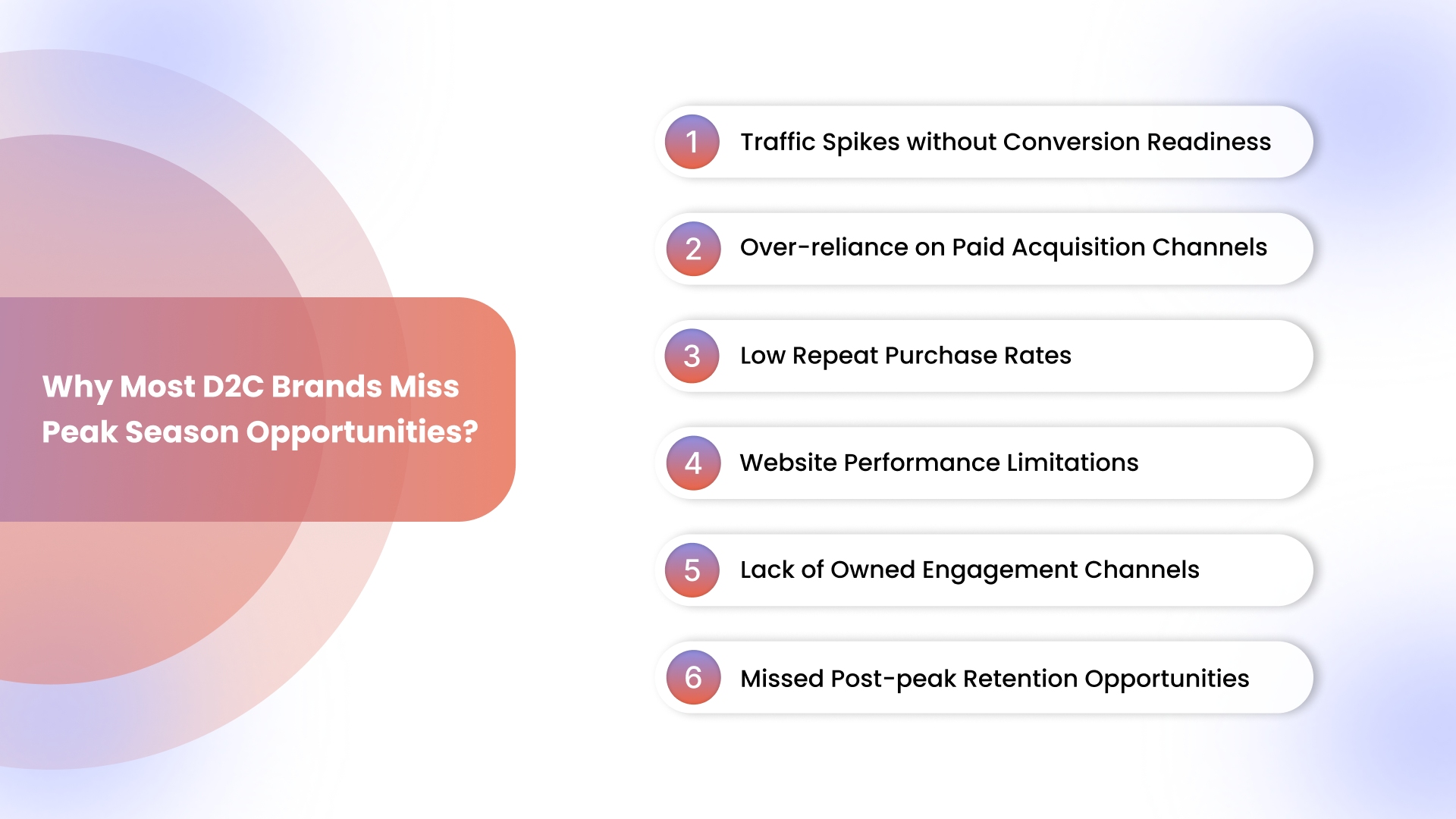
1. Traffic Spikes without Conversion Readiness
High-intent visitors arrive during peaks, but unclear offers, slow checkout flows, and poor merchandising reduce conversions. Brands focus on driving traffic rather than optimizing landing journeys, resulting in cart abandonment and under-monetized demand surges.
2. Over-reliance on Paid Acquisition Channels
Many brands depend heavily on ads to capture peak demand, inflating Customer Acquisition Cost (CAC) when competition intensifies. Without strong owned channels like apps, email, or SMS, paid traffic becomes expensive and difficult to convert profitably during crowded promotional periods.
3. Low Repeat Purchase Rates from Seasonal Buyers
Peak shoppers often convert once and disappear due to weak post-purchase engagement. Lack of onboarding flows, loyalty incentives, and personalized follow-ups prevents brands from converting seasonal buyers into long-term customers with higher lifetime value.
4. Website Performance Limitations under Demand Surges
Traffic surges expose infrastructure weaknesses, including slow load times, checkout crashes, and delayed payment processing. Even minor friction during peaks leads to immediate drop-offs as shoppers shift to competitors offering faster and more reliable purchase experiences.
5. Lack of Owned Engagement Channels
Brands relying solely on web visits miss opportunities to re-engage customers instantly. Absence of push notifications, in-app messaging, and lifecycle automation limits real-time communication. It reduces urgency-driven conversions and diminishes campaign effectiveness during short peak windows.
6. Missed Post-peak Retention Opportunities
The post-peak phase is frequently ignored despite its strong revenue potential. Brands fail to use returns, exchanges, and gift-driven traffic for repeat purchases, missing chances to build loyalty, gather insights, and nurture customers acquired during peak periods.
Once you know common pitfalls, the next step is a phased timeline showing how to prepare months in advance for peak success.
Peak Optimization Timeline: Preparing Before Demand Surges
Peak performance depends on structured preparation across forecasting, campaign readiness, experience optimization, and retention planning. A phased timeline helps D2C brands manage demand volatility, minimize operational risks, and convert short traffic spikes into sustained revenue and customer growth.
1. 3–6 Months Before Peak
Peak success starts long before demand spikes. This phase is about building clarity on who will buy, what they’ll buy, and when demand will surge. Strong forecasting, inventory synchronization with campaign calendars, platform scalability checks, and lifecycle mapping help prevent reactive decisions during high-pressure selling windows.
2. 1–3 Months Before Peak
With foundations in place, brands move into structured execution planning. Campaign narratives, segmentation logic, and owned-channel calendars must be finalized to avoid last-minute chaos. Loyalty readiness, retention workflows, and checkout flow improvements ensure new peak shoppers encounter a seamless, conversion-ready experience across mobile and app touchpoints.
3. 2–4 Weeks Before Peak
The final runway focuses on refining performance drivers rather than creating new ones. Offer testing, creative experimentation, and pre-launch anticipation campaigns help validate assumptions. VIP early access builds urgency among high-value buyers, while optimized abandonment journeys ensure rising browsing intent converts instead of leaking during decision-heavy periods.
4. During Peak Period
Peak moments demand operational agility over rigid planning. Continuous monitoring of behavioral signals enables rapid campaign pivots, inventory prioritization, and promotional adjustments. Timely push bursts, behavior-driven personalization triggers, and flexible merchandising ensure brands remain aligned with fast-changing shopper intent and competitive promotional noise.
5. Post-Peak Window (Critical but Often Ignored)
The post-peak phase determines whether demand spikes translate into sustained growth. Efficient returns handling protects trust, while loyalty onboarding and replenishment nudges convert first-time buyers into repeat customers. Deep performance analysis then feeds forecasting accuracy, ensuring each peak cycle becomes smarter and more profitable than the last.
With preparation phases clear, let’s examine concrete strategies brands can implement to optimize data, inventory, pricing, and mobile experiences.
Also Read: Top 10 Mobile Apps for E-commerce Success in 2026
6 Strategies to Optimize Your Store Before Peak Shopping Surges
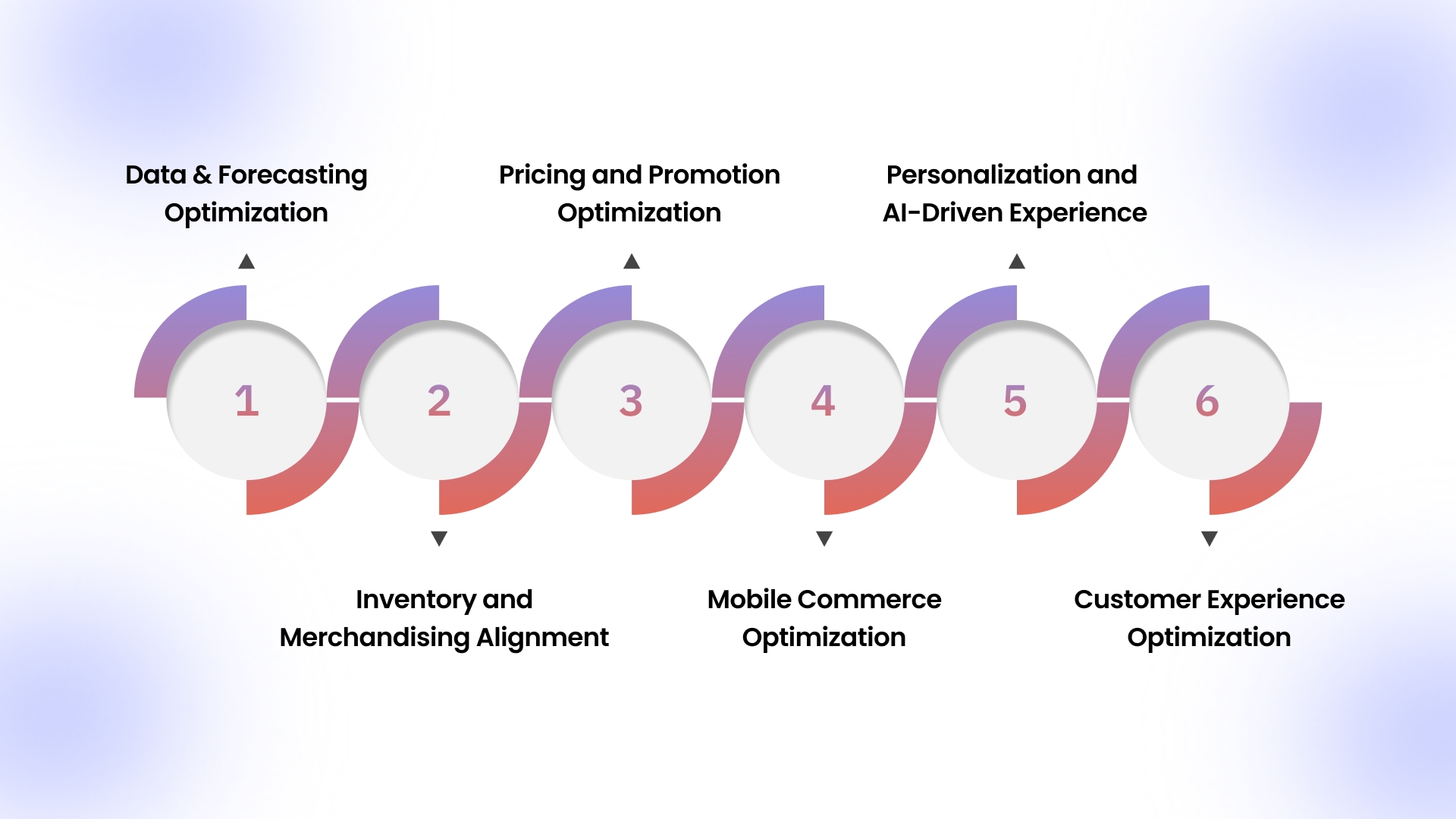
Winning peak windows requires structured execution across data, inventory, pricing, mobile experience, personalization, and support readiness. Instead of isolated campaigns, brands must align these levers simultaneously. The strategies below outline priority actions needed to drive stronger peak performance.
1. Data and Forecasting Optimization
Peak demand planning fails when brands rely only on last year’s revenue curves. High-performing Shopify brands combine behavioral signals, merchandising insights, and lifecycle data to anticipate intent before traffic spikes materialize.
To operationalize this effectively, brands should:
- Model SKU-level demand using wishlist activity, back-in-stock subscriptions, and pre-peak browse spikes
- Segment cohorts by discount dependency, repeat purchase cadence, and peak-only buyer behavior
- Build intent pools from email signups, app installs, and notification opt-ins before peak launches
- Align paid acquisition budgets with forecasted organic and owned-channel conversion lift
2. Inventory and Merchandising Alignment
Stockouts on hero SKUs and overexposure of slow movers remain common peak mistakes. Winning brands treat merchandising as a dynamic conversion lever, continuously adapting product visibility and assortment depth as demand patterns evolve.
To strengthen merchandising execution, brands should:
- Use search and collection click data to identify pre-peak hero SKUs and stock them deeper
- Bundle bestsellers with high-margin accessories to increase AOV while clearing secondary inventory. According to the Tapcart BFCM 2025 Report, bundles capture the 85% of shoppers making impulse buys and increase AOV without adding funnel complexity.
- Prioritize seasonal SKUs across homepage modules, navigation placements, and mobile collections
- Monitor sell-through velocity daily and rebalance merchandising exposure to prevent premature stockouts
3. Pricing and Promotion Optimization
Aggressive discounting during peaks often erodes profitability without improving conversion quality. Structured promotional architecture helps brands influence purchase timing, protect margins, and reward high-value customers without training discount dependency.
To implement smarter promotional frameworks, brands should:
- Apply tiered discounting based on inventory risk, customer LTV, and demand elasticity signals
- Use flash sales supported by countdown timers and limited-quantity messaging to boost decision-making
- Offer VIP-only pricing to loyalty members and repeat buyers to drive retention-led revenue
- Launch phased early-access drops to spread demand and reduce fulfillment bottlenecks
4. Mobile Commerce Optimization
Peak traffic is increasingly mobile-first, yet many Shopify stores still experience checkout friction, slow load times, and limited owned engagement capabilities. Optimization must prioritize speed, reliability, and mobile-native engagement touchpoints.
To improve mobile peak performance, brands should:
- Reduce checkout friction with autofill, wallet integrations, and one-tap reorder capabilities
- Use push notifications for restocks, flash sales, and price drops instead of relying solely on email. Push notifications deliver 5–10X higher CTRs than email/paid marketing
- Run in-app promotional placements triggered by browsing depth or cart intent signals
- Conduct load testing and CDN optimization to prevent crashes during traffic surges
5. Personalization and AI-Driven Experience
During crowded promotional setups, relevance becomes a stronger conversion driver than discount size. Personalization enables brands to guide discovery, reduce choice overload, and surface offers aligned with individual intent signals.
To activate personalization effectively, brands should:
- Deploy recommendation engines reflecting browsing depth, cart additions, and past peak purchases
- Use AppMaker to dynamically adjust homepage modules, automatically updating layouts, trending products, and segment-relevant collections in real time based on user behavior
- Deliver segmented messaging for loyal customers, discount-driven shoppers, and first-time buyers
- Automate lifecycle triggers for browse abandonment, price alerts, and back-in-stock events
6. Customer Experience Optimization
Operational friction during peak windows, including delayed responses, unclear returns, and checkout trust gaps, directly impacts conversion and post-peak retention. Strong customer experience frameworks reduce hesitation and improve repeat purchase likelihood.
To enhance peak customer experience, brands should:
- Implement transparent, self-service returns workflows to reduce support pressure during peak volume
- Scale support capacity using AI chat, FAQ automation, and extended availability during sale days
- Simplify checkout with trust badges, flexible payment options, and delivery date clarity
- Reinforce urgency and confidence using low-stock alerts, shipping guarantees, and verified reviews
Executing these strategies requires the right tools; let’s look at technology that makes peak execution faster, more precise, and scalable.
Technology That Supports Peak Optimization
Peak success isn’t just planning; it depends on having the right systems to act on demand signals quickly. Technology serves as the execution layer that keeps inventory, campaigns, and customer experiences aligned. Here are the key technologies brands should strengthen before peak.
1. Predictive Analytics and Demand Forecasting Platforms
Forecasting platforms help brands detect pre-peak demand signals such as rising search frequency, wishlist activity, and collection engagement. It enables proactive SKU allocation, supplier coordination, and phased promotional planning that prevents last-minute stockouts and reactive discounting.
2. Personalization and Recommendation Engines
Personalization engines dynamically adjust product exposure based on browsing depth, cart composition, and historical purchase patterns. It helps brands surface high-conversion SKUs, reduce promotional noise, and maintain discovery relevance when shoppers face overwhelming deal-driven assortments.
3. Mobile Apps and Engagement Platforms
Mobile engagement platforms enable real-time activation through push alerts, restock notifications, and in-app merchandising triggers. They allow brands to capture intent instantly, recover abandoned sessions faster, and stabilize conversion when mobile traffic surges during peak campaigns.
4. Marketing Automation Workflows
Automation workflows coordinate multi-phase peak campaigns by triggering behavior-led journeys such as price-drop alerts, back-in-stock flows, VIP early access, and post-purchase cross-sell sequences. It helps in reducing manual campaign delays that typically erode peak conversion opportunities.
5. Unified Commerce Infrastructure for Consistent Experiences
Unified commerce systems prevent peak friction by synchronizing inventory visibility, promotional pricing, and fulfillment updates across channels. This ensures shoppers encounter consistent availability and delivery expectations rather than conversion-killing discrepancies during high-demand events.
Understanding tech needs is one thing; now we’ll see how AppMaker helps brands simplify execution, maintain mobile stability, and act faster.
How AppMaker Helps Brands Execute Peak Shopping Periods Better
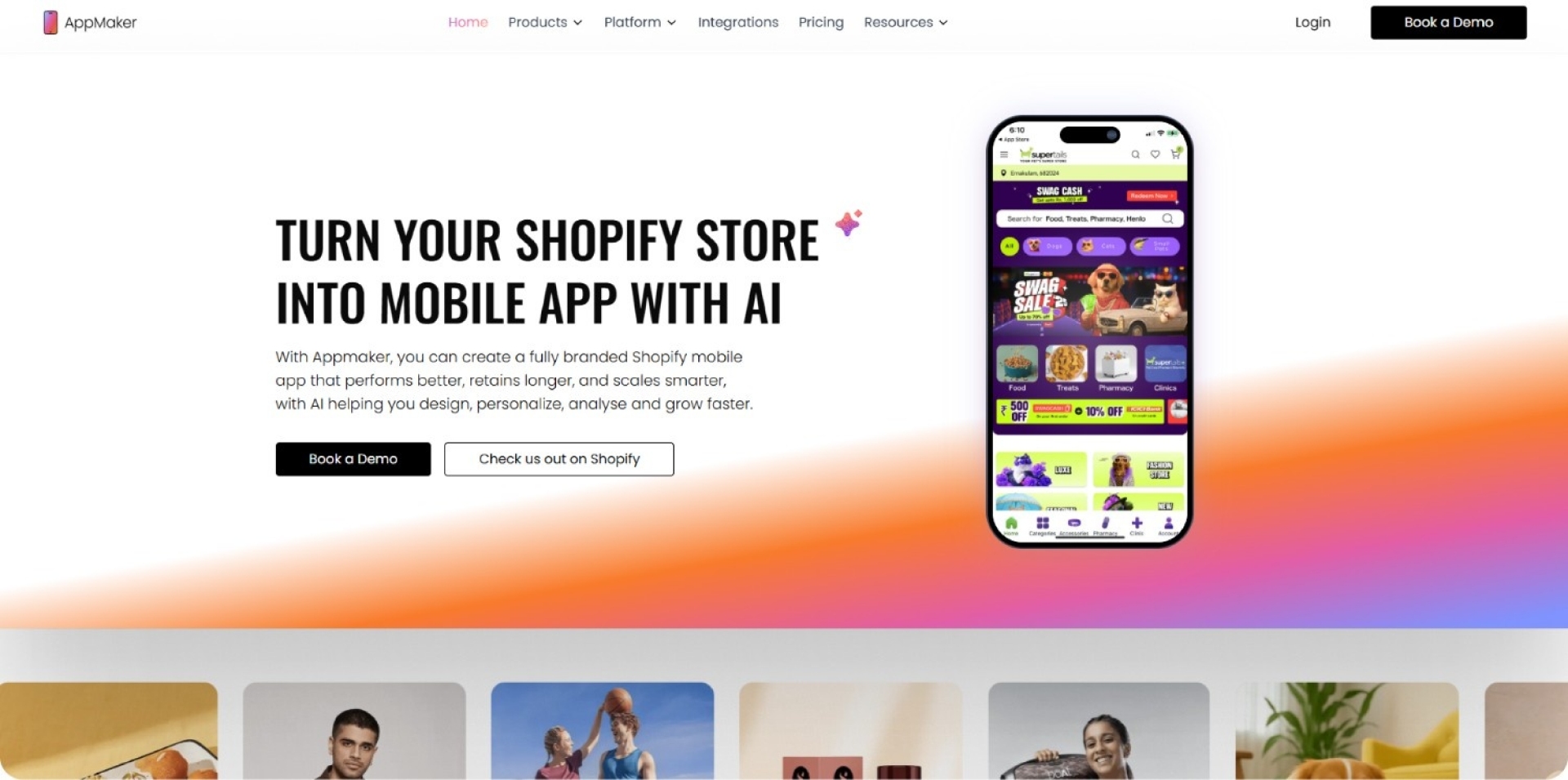
Peak shopping windows rarely fail due to demand. They fail when brands cannot act fast enough on intent signals, personalize experiences at scale, or engage shoppers through owned channels. AppMaker helps close these execution gaps by giving brands stronger control over mobile merchandising, behavioral engagement, and real-time campaign adjustments during high-pressure peak moments.
This is where its capabilities directly support peak readiness:
- Eidolon AI: Enables rapid launch of campaign-specific app layouts from Figma or screenshots, helping brands deploy seasonal experiences without development delays
- John AI insights: Surfaces real-time sales and product demand signals, allowing faster inventory, promotion, and merchandising decisions during peak days
- Rubik’s AI personalization: Dynamically adapts layouts, product recommendations, and content based on browsing behavior to sustain conversion under heavy deal noise
- Push notification engine: Activates high-intent shoppers instantly through sale alerts, restock reminders, and cart recovery triggers, reducing paid channel dependency.
- Studio customization and code blocks: Supports agile merchandising updates, bundle placements, and promotional modules without waiting on developer cycles
Together, these capabilities help brands respond faster to demand shifts, maintain mobile conversion stability, and execute peak campaigns with greater operational confidence.
Also Read: How Much Does It Cost to Build a Shopify App in 2026?
Conclusion
Peak shopping periods compress months of revenue into just a few weeks, and brands that plan ahead are the ones that win. Aligning inventory, campaigns, and customer experiences before demand spikes ensures you can handle traffic surges, convert high-intent shoppers, and avoid lost revenue from operational bottlenecks.
AppMaker helps brands stay agile during these critical windows. By enabling merchants to launch and update mobile apps without developers, keep products and promotions synced with Shopify in real time, and communicate directly with customers through push notifications, AppMaker makes managing mobile channels during peak periods faster and simpler.
If you want to prepare your brand for the next peak shopping season and ensure your mobile experience supports high-intent traffic, reach out to us now!
FAQs
1. What time of the day are people most inclined to buy things online?
Online shopping activity peaks in the evening, typically between 7 PM and 10 PM local time. Users are free from work, browsing on mobile devices, and are more likely to make impulsive or planned purchases.
2. What is the busiest shopping time of the year?
The busiest shopping periods are during major retail events: Black Friday, Cyber Monday, and the pre-Christmas weeks. In addition, global peaks like Amazon Prime Day, Singles’ Day, and back-to-school sales generate concentrated online traffic.
3. What strategies improve repeat purchases after peak events?
Brands can improve repeat purchases by using post-peak email campaigns, loyalty programs, personalized product recommendations, retargeting via push notifications, and creating exclusive offers that convert one-time seasonal buyers into long-term customers.
4. Which metrics should brands prioritize during peak shopping periods?
Brands should monitor conversion rate, average order value (AOV), cart abandonment, and mobile app performance. They must also keep track of repeat purchase rate and engagement with push notifications or campaigns to measure both revenue and operational efficiency during peaks.