




















Fashion shopping has moved from stores to screens, and customers expect more than just products now. They want inspiration, fit confidence, and a smooth buying experience. Clothing brands thus face fast-changing trends, endless size options, and high return rates, making it harder to sell without the right tools.
Mobile shopping apps have become a solution, helping brands showcase collections, guide fit choices, and keep customers coming back. The numbers back this up: the shopping apps market is projected to reach USD 40.70 billion by 2032, with Fashion and Apparel holding 42.7% share.
In this blog, we will explore the top Shopify apps that fashion and clothing stores can use to boost sales, retention, and engagement in 2026.
Overview
- Fashion clothing stores need Shopify apps tailored for sizing, visual merchandising, trend-driven drops, and mobile-first browsing.
- Core app categories include mobile-first engagement, reviews and social proof, size optimization, and lifecycle marketing.
- Top tools like AppMaker and MobiLoud enable native mobile apps, AI-driven insights, push notifications, and seamless Shopify integration.
- Klaviyo, Yotpo, and Printful help with lifecycle marketing, reviews, loyalty, and print-on-demand fulfillment to boost engagement and reduce returns.
- Choosing apps based on store stage, niche, catalog complexity, and growth goals ensures higher conversions, repeat purchases, and operational efficiency.
Why Do Clothing Stores Need a Different Shopify App Stack?
Fashion and clothing stores don’t operate like typical ecommerce brands. Every drop introduces new SKUs, size uncertainty affects buying confidence, and visual storytelling determines conversions. To stay competitive, fashion brands need a Shopify app stack built specifically for merchandising, retention, and rapid demand shifts. In fact, fashion apps show 3.2x higher conversion rates than mobile web.
The following fashion-specific complexities define which Shopify apps actually drive growth:
- Variants & sizing: Fashion catalogs explode with variants across size, color, fabric, and fit, making product pages overwhelming. Apps must simplify variant selection, offer smart size guidance, and maintain real-time inventory accuracy to prevent abandoned purchases.
- Visual merchandising: Clothing purchases rely on styling inspiration rather than specifications. Apps that enable shoppable lookbooks, UGC galleries, and Instagram-style product discovery help brands replicate boutique-style browsing and increase session depth.
- High return rates: Fit uncertainty and expectation gaps make returns a margin killer for fashion brands. Apps offering size charts, photo reviews, and proactive post-purchase communication reduce return probability and improve buyer confidence.
- Trend cycles: Fashion demand is driven by drops, influencers, and seasonal micro-trends. Apps that support rapid campaign launches, automated promotions, and collection merchandising help brands capitalize on momentum before trends fade.
- Inventory volatility: Demand for specific sizes and styles fluctuates unpredictably, causing stockouts or dead inventory. Apps with live stock syncing, waitlists, and pre-order capabilities help fashion brands balance availability and demand signals.
- Mobile browsing dominance: Fashion discovery happens on mobile-first channels like Instagram and TikTok, making browsing behavior highly impulse-driven. Apps that improve mobile speed, enable push notifications, and support app-based shopping increase repeat purchases and retention.
Now that we’ve covered the challenges of fashion ecommerce, let’s map the customer journey to identify which Shopify apps truly help at each stage.
Also Read: 13 Best MobiLoud Alternatives for Shopify Mobile Apps in 2026
Mapping the Fashion Customer Journey to Shopify App Needs
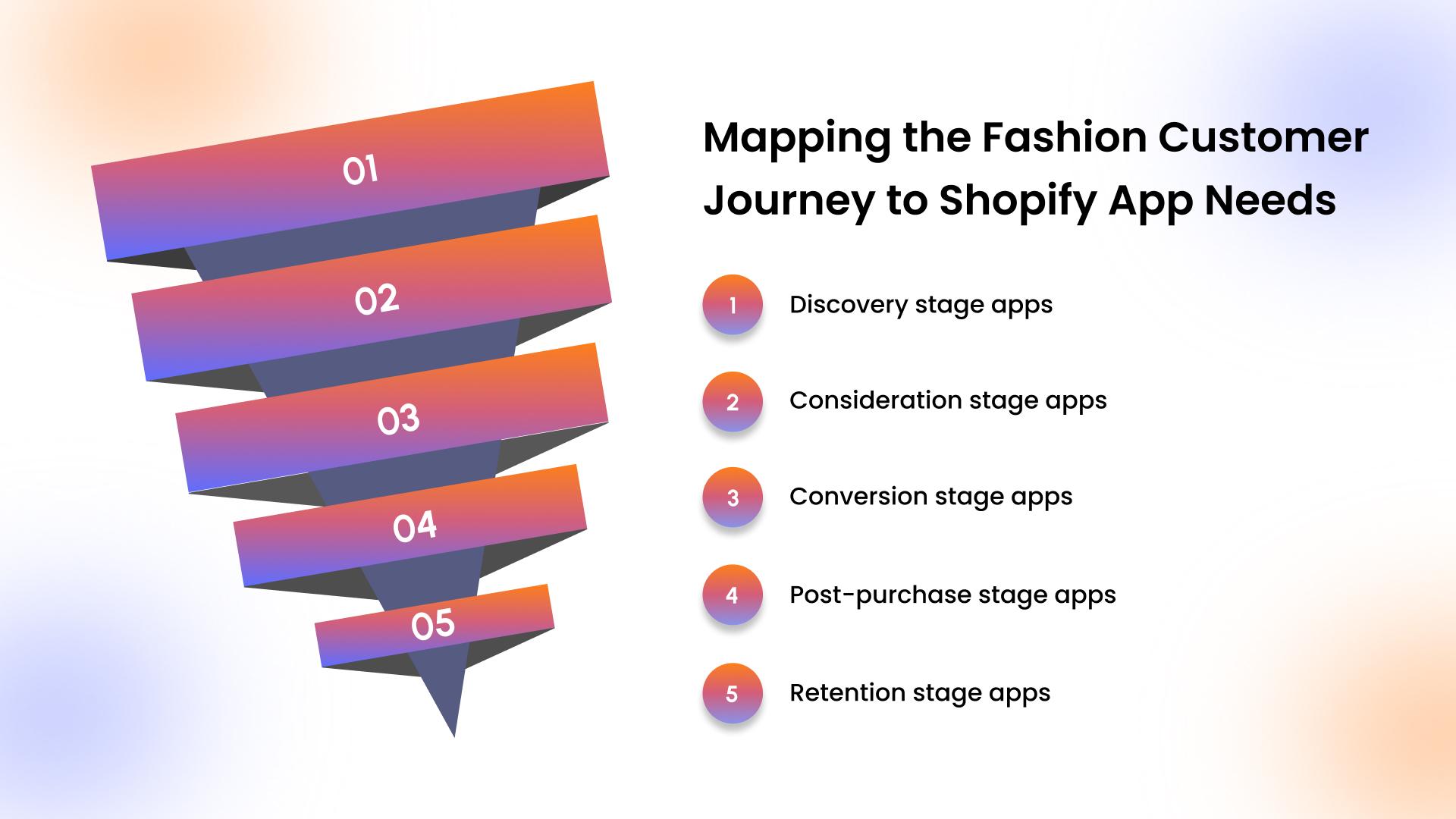
Fashion ecommerce is not a linear purchase journey. Shoppers move between inspiration, evaluation, impulse buying, and repeat engagement across multiple channels. Mapping this behavior to the right Shopify apps helps clothing brands reduce friction, increase confidence, and maximize lifetime value.
1. Discovery stage apps
At the discovery stage, fashion shoppers are browsing for inspiration rather than making intent-driven purchases. Apps that enable shoppable Instagram feeds, influencer integrations, personalized product recommendations, and push notifications help brands capture attention and drive traffic into collections and new drops. Push notifications alone can deliver 5–10X higher CTRs than email/paid marketing.
2. Consideration stage apps
During consideration, shoppers evaluate style relevance, fit confidence, and brand trust. Apps supporting photo reviews, lookbooks, size charts, and UGC galleries help reduce uncertainty while enabling customers to visualize outfits and assess real-world product experiences before committing to purchase.
3. Conversion stage apps
Conversion in fashion is often influenced by urgency, seamless browsing, and checkout confidence. Apps focused on mobile optimization, abandoned cart recovery, social proof nudges, and dynamic merchandising help remove hesitation. They encourage impulse purchases driven by limited stock or trend relevance.
4. Post-purchase stage apps
After purchase, the experience shifts toward reassurance and expectation management. Apps that enable proactive order updates, styling recommendations, and easy support interactions help reduce anxiety, prevent returns, and maintain engagement while the customer awaits delivery.
5. Retention stage apps
Retention is essential in fashion due to frequent launches and seasonal drops. Apps supporting push notifications, loyalty programs, personalized campaigns, and back-in-stock alerts help brands stay top-of-mind. They encourage repeat purchases and convert one-time buyers into long-term customers. With mobile apps, the repeat purchase rate is above 20%.
Having examined app needs across the journey, let’s break down the core categories every fashion Shopify store should include for maximum impact.
Key Categories Every Fashion Shopify Store Should Cover
Fashion ecommerce success depends less on adding random apps and more on building a stack that solves fit anxiety, visual discovery gaps, impulse buying behavior, and retention challenges. These categories directly influence conversion rates, return reduction, and repeat purchase frequency.
1. Mobile app & retention
Most fashion traffic is mobile, but the mobile web often struggles with speed and engagement. Meanwhile, mobile app tools enable faster browsing, push-driven drop launches, and exclusive experiences that increase repeat visits and improve drop-based sales performance. In fact,
2. Reviews & social proof
Shoppers rarely trust product descriptions alone in fashion. Visual reviews and UGC help customers evaluate real fit, fabric behavior, and styling versatility, which reduces hesitation and improves add-to-cart confidence.
3. Size & fit optimization
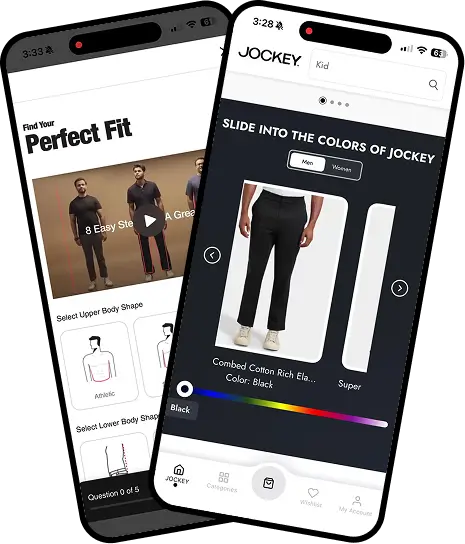
Returns in apparel are largely driven by sizing mismatch. Fit recommendation and size guidance apps help customers choose the right variant faster, lowering refund rates while protecting margins and operational efficiency.
4. Visual merchandising
Fashion buyers don’t search; they browse outfits. Merchandising apps enable look-based navigation, outfit bundling, and dynamic collection sorting, helping brands guide shoppers toward higher-value purchases.
5. Customer support
Pre-purchase doubts around fit, delivery timelines, and material quality can delay conversions. Support tools enable instant answers that prevent abandonment and improve trust during high-intent shopping moments.
6. Social commerce
Fashion discovery is heavily social-first. Social commerce apps connect influencer inspiration and storefront browsing, turning style discovery into direct purchase opportunities without breaking the shopping journey.
7. Fulfillment & dropshipping
Trend-driven catalogs require inventory flexibility. Fulfillment and dropshipping apps help brands expand assortment quickly, manage suppliers efficiently, and maintain shipping transparency that reduces post-purchase anxiety.
8. Lifecycle marketing
Fashion growth depends on repeat engagement across drops and seasons. Lifecycle tools automate restock alerts, abandoned cart recovery, and personalized campaigns that convert one-time buyers into loyal customers.
Once you understand the key categories, we can explore the top 12 Shopify apps that address sizing, visual merchandising, retention, and more.
12 Best Shopify Apps for Clothing Stores
Fashion ecommerce requires tools that solve sizing uncertainty, visual discovery, retention, and rapid trend cycles. These Shopify apps help clothing brands improve conversions, simplify operations, and drive repeat purchases:
1. AppMaker
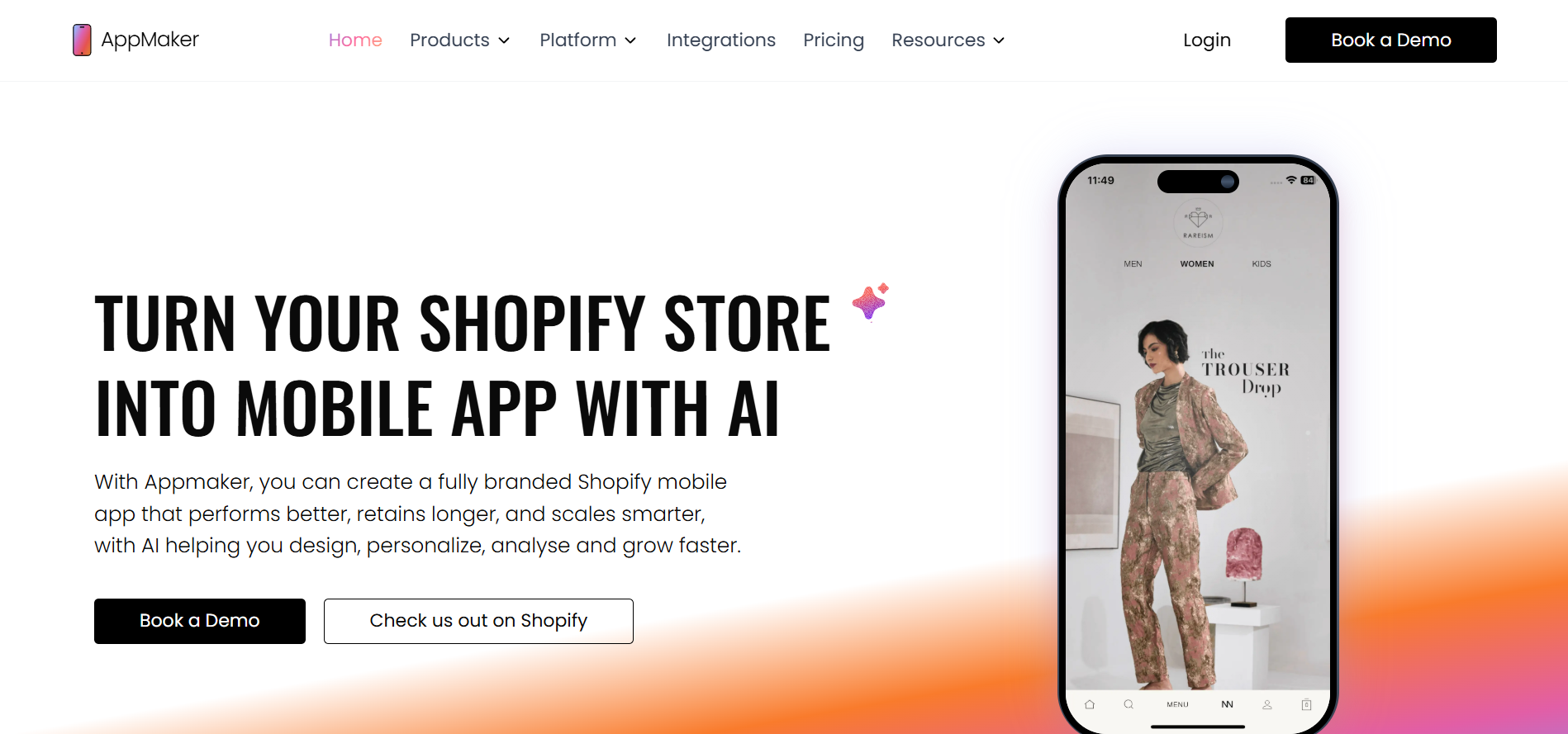
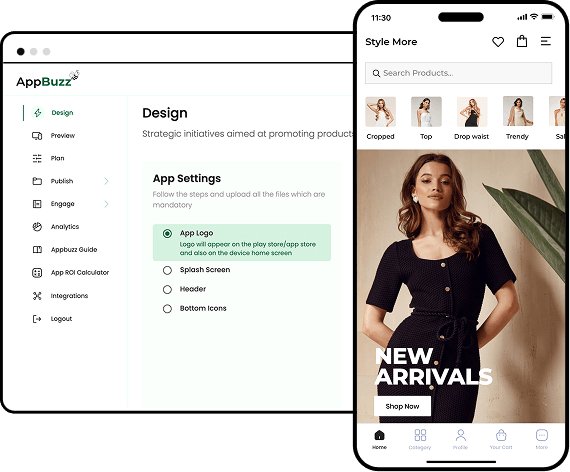
AppMaker enables Shopify brands to turn their storefronts into high-performing native mobile apps that improve retention, drive repeat purchases, and provide seamless shopping experiences without coding. Our AI-driven tools help fashion brands launch apps faster and smarter.
Key Features of AppMaker:
- Deep Brand Customization: Drag-and-drop layouts, conditional blocks, and flexible themes let fashion brands create unique, on-brand app experiences that reflect seasonal collections and style identity.
- Eidolon AI – Design-to-App Conversion: Converts Figma files or screenshots into fully functional mobile screens, speeding up app development while preserving visual fidelity for fashion catalogs.
- John AI – Intelligent Insights: Offers AI-powered analytics and actionable recommendations on sales trends, top products, and user engagement to optimize campaigns and merchandising.
- Targeted Push Notifications: Automate product drops, back-in-stock alerts, abandoned cart reminders, and exclusive app-only offers to increase conversions and repeat purchases.
- Real-Time Shopify Sync & Integrations: Automatically updates inventory, products, collections, and orders while supporting Shopify app integrations for smooth backend operations and operational efficiency.
Best For: Fashion Shopify brands aiming to maximize mobile engagement, boost product drops, and deliver a seamless, app-first shopping experience.
Pricing: Starts at $599 per month + 2% of in-app sales
2. Shopney
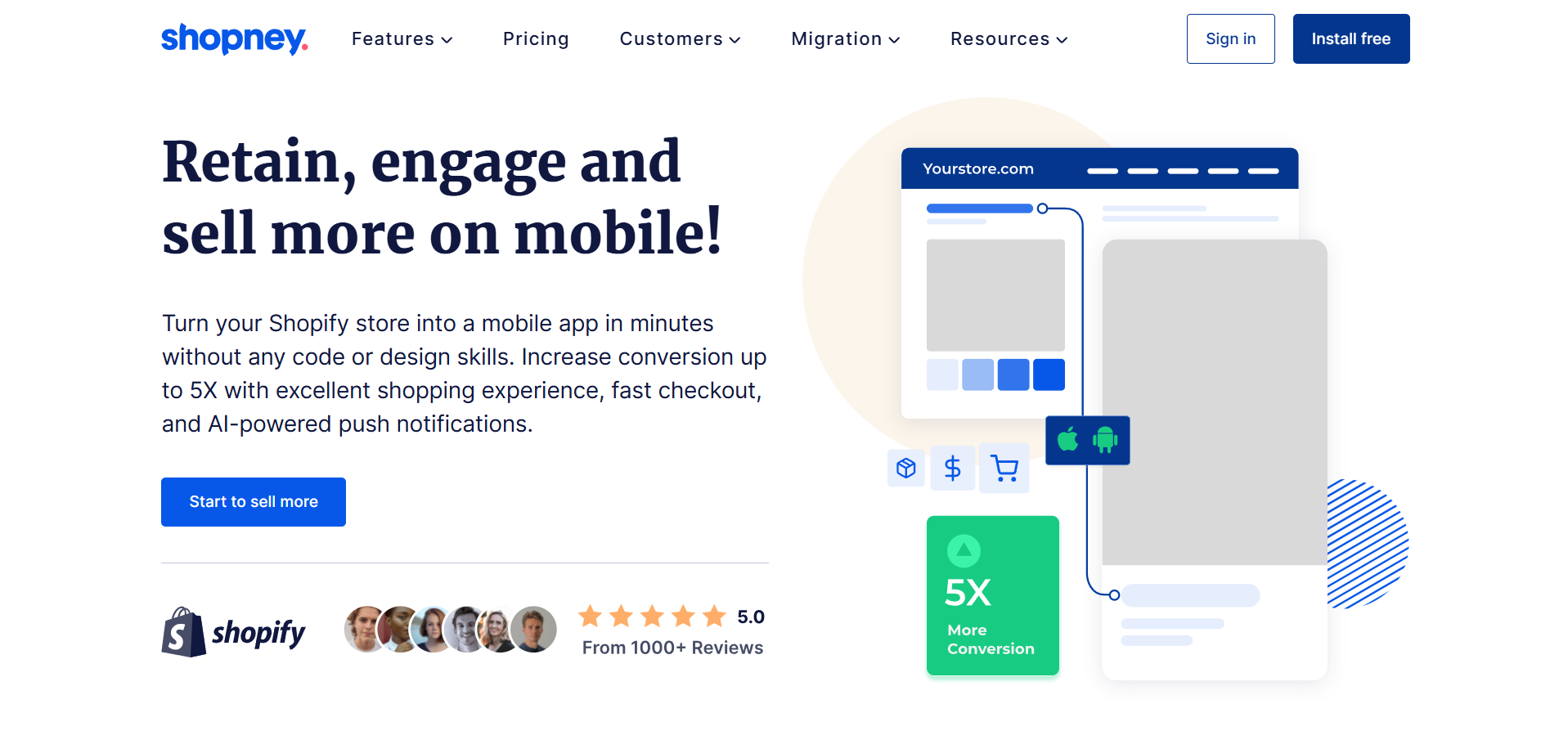
Shopney enables Shopify fashion brands to convert their storefronts into native mobile shopping apps that improve mobile experience and retention. With real-time Shopify synchronization, customizable layouts, and push notification campaigns, apparel brands can support product drops, increase repeat purchases, and strengthen mobile engagement.
Key Features of Shopney:
- Native iOS & Android mobile apps: Turn Shopify stores into fully native apps optimized for faster browsing and smoother checkout.
- Visual design customization: Offers pre-designed themes and layout editing tools to match fashion branding and merchandising needs.
- Real-time Shopify synchronization: Automatically syncs product catalog, inventory, orders, and customer data between store and app.
- Push notification campaigns: Supports promotional alerts, product launches, back-in-stock updates, and abandoned cart reminders.
- Shopify checkout & integrations support: Uses Shopify’s checkout infrastructure and integrates with compatible Shopify apps and services.
Best For: Fashion Shopify brands prioritizing mobile retention, product drops, and app-driven customer engagement.
Pricing: Starts at $ 149 /month
3. MobiLoud
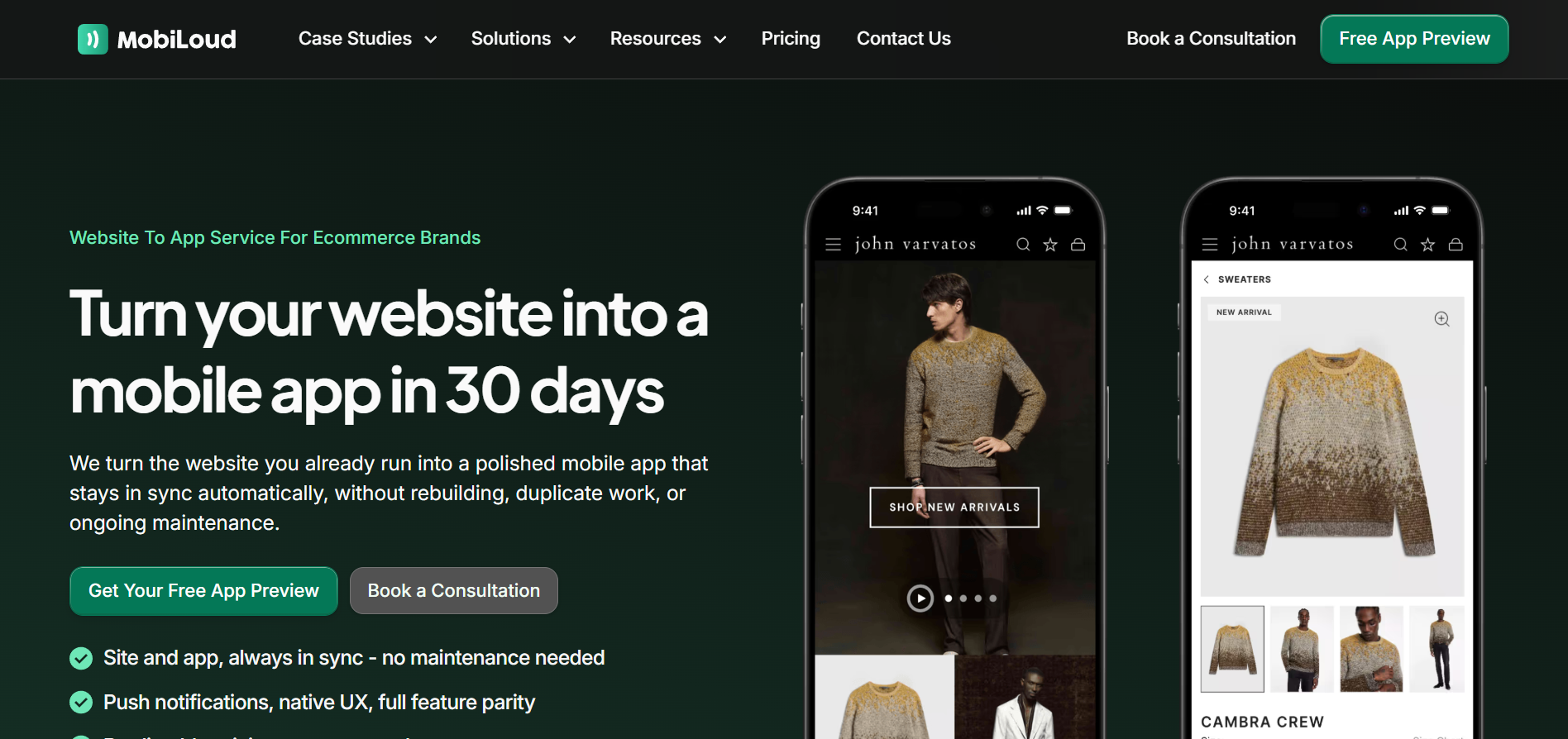
MobiLoud helps Shopify clothing brands convert their online stores into native mobile apps that replicate the existing storefront experience. Fashion businesses can use push notifications, app-exclusive campaigns, and Shopify synchronization to strengthen retention, drive repeat purchases, and improve mobile shopping engagement.
Key Features of MobiLoud:
- Native iOS & Android apps: Converts Shopify stores into fully native apps while maintaining core storefront functionality.
- Storefront replication & sync: Mirrors Shopify design and automatically syncs products, orders, and inventory updates.
- Push notification campaigns: Enable promotional alerts, product drop announcements, abandoned cart reminders, and restock notifications.
- App store publishing support: Provides guidance and assistance with Apple App Store and Google Play submission processes.
- Integration compatibility: Works with many Shopify apps and integrations, though compatibility may vary depending on specific functionality.
Best For: Fashion Shopify brands seeking a low-disruption mobile app solution that mirrors their existing storefront while enabling push-driven engagement and retention.
Pricing: Starts at $799/month.
4. Klaviyo
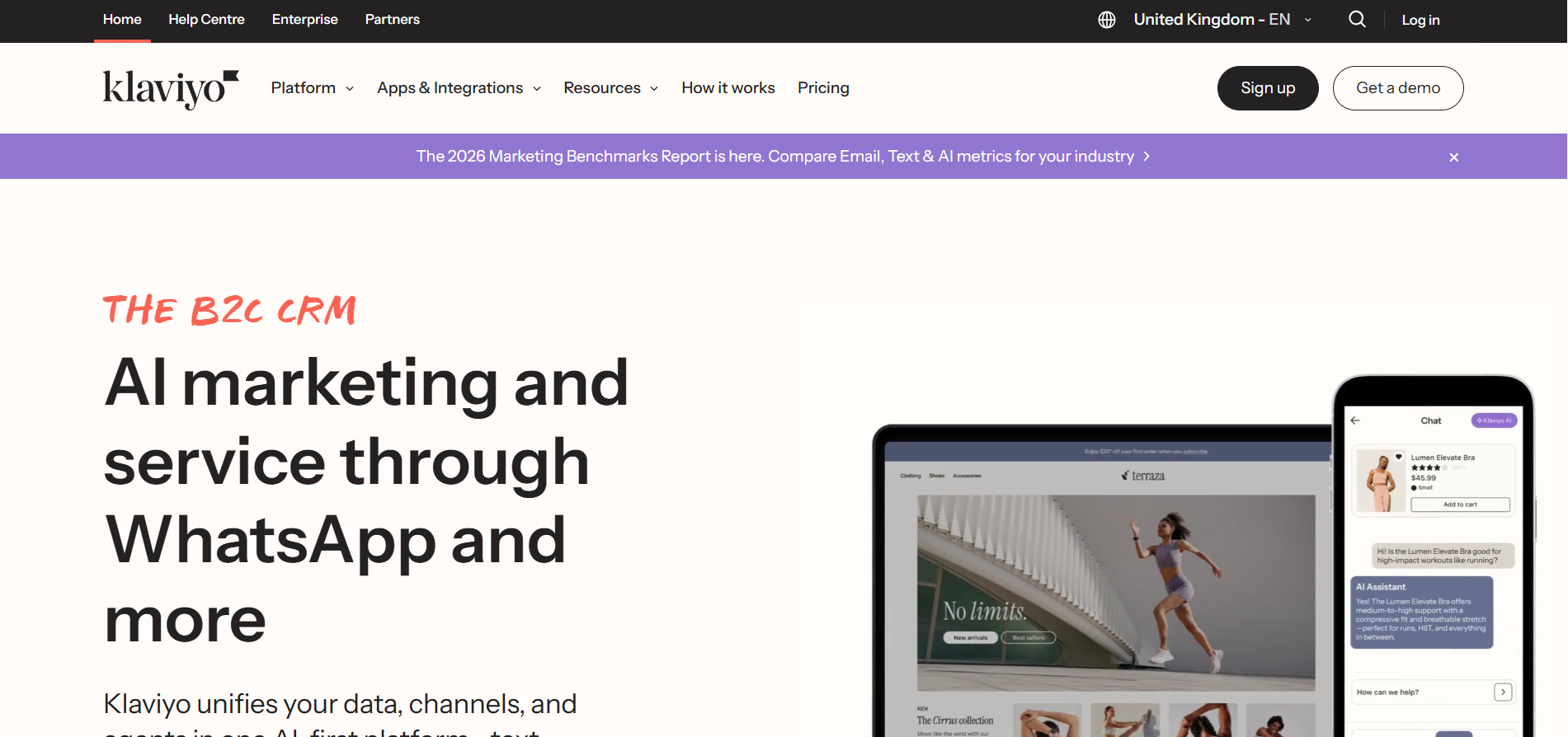
Klaviyo helps Shopify clothing brands manage lifecycle marketing through email and SMS automation. By utilizing customer behavior, purchase history, and browsing data, fashion merchants can run targeted campaigns, recover abandoned carts, promote product drops, and build repeat purchase journeys that improve customer lifetime value.
Key Features of Klaviyo:
- Email & SMS automation: Create personalized flows for abandoned carts, welcome journeys, restock alerts, and seasonal campaigns.
- Advanced segmentation: Target customers using purchase behavior, browsing activity, and engagement patterns.
- Predictive analytics: Provides revenue forecasting and customer lifetime value insights for smarter campaign planning.
- Shopify integration: Syncs product catalog, orders, and customer data automatically for real-time campaign triggers.
- Fashion drop & promotion campaigns: Supports launch announcements, limited-edition drops, and discount campaigns tailored to apparel brands.
Best For: Fashion Shopify brands focused on lifecycle marketing, retention, and personalized campaign-driven revenue growth.
Pricing: Starts at $60 per month.
5. Yotpo
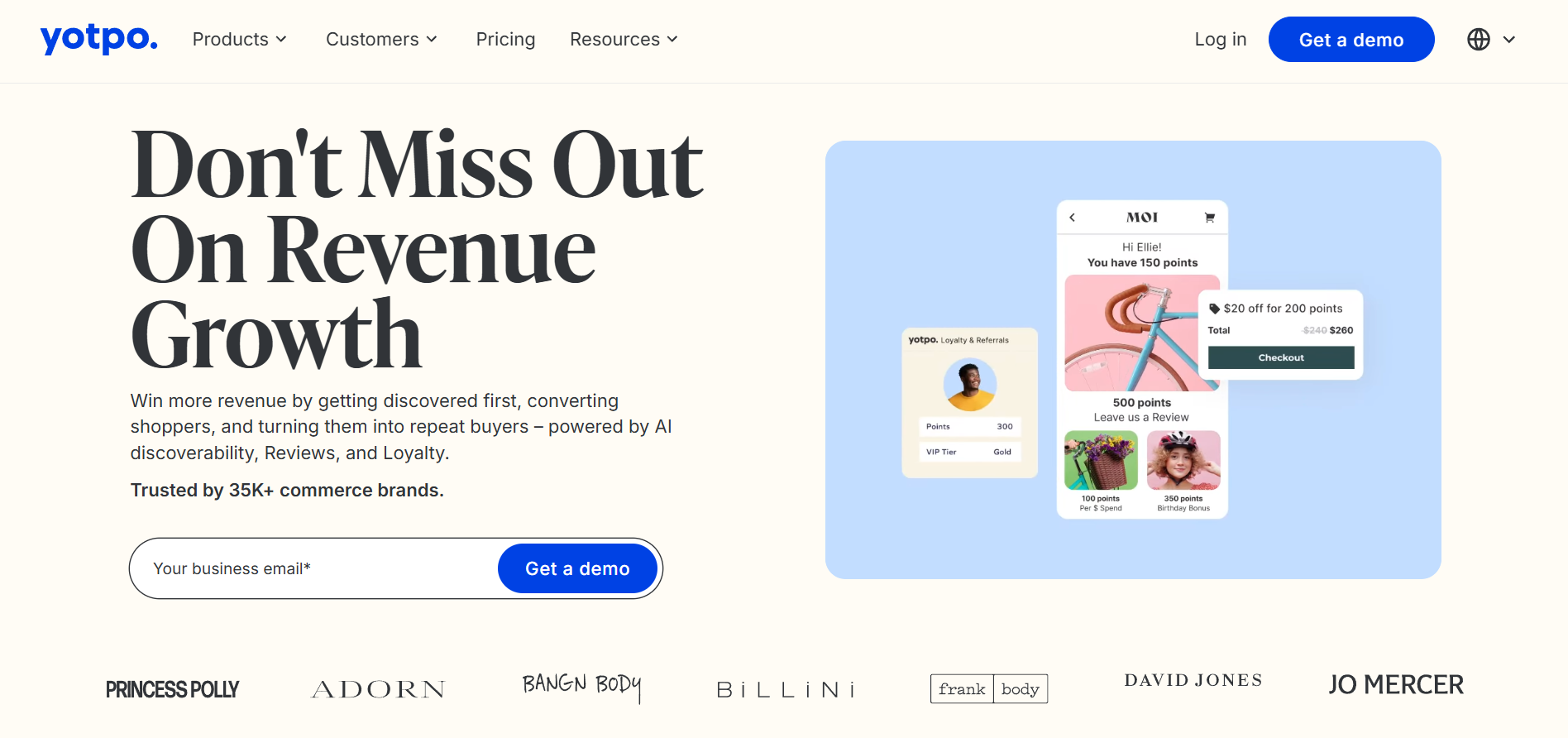
Yotpo helps Shopify clothing brands build trust and drive conversions through customer reviews, ratings, and user-generated content. Fashion merchants can collect visual reviews, showcase real customer photos, and use loyalty and referral programs to strengthen credibility, reduce hesitation, and encourage repeat purchases.
Key Features of Yotpo:
- Photo & video reviews: Collect customer-generated outfit photos and videos to help shoppers evaluate real fit, styling, and fabric appearance before purchasing.
- UGC display widgets: Embed shoppable galleries and review carousels across product pages and collections to strengthen visual merchandising and increase buyer confidence.
- Loyalty & referral programs: Create points-based rewards, VIP tiers, and referral incentives that support repeat purchases and community-driven growth for fashion brands.
- Automated review requests via email & SMS: Trigger post-purchase review collection flows based on delivery status to capture timely feedback and improve review volume.
- Ratings syndication & integrations: Sync reviews across Shopify and integrated marketing tools to maintain consistent social proof across storefront, campaigns, and ads.
Best For: Fashion Shopify brands focused on reducing purchase hesitation, showcasing real customer styling, and building retention through loyalty and referral experiences.
Pricing: Starts at $79/month
Also Read: Top 10 Mobile Apps for E-commerce Success in 2026
6. Judge.me
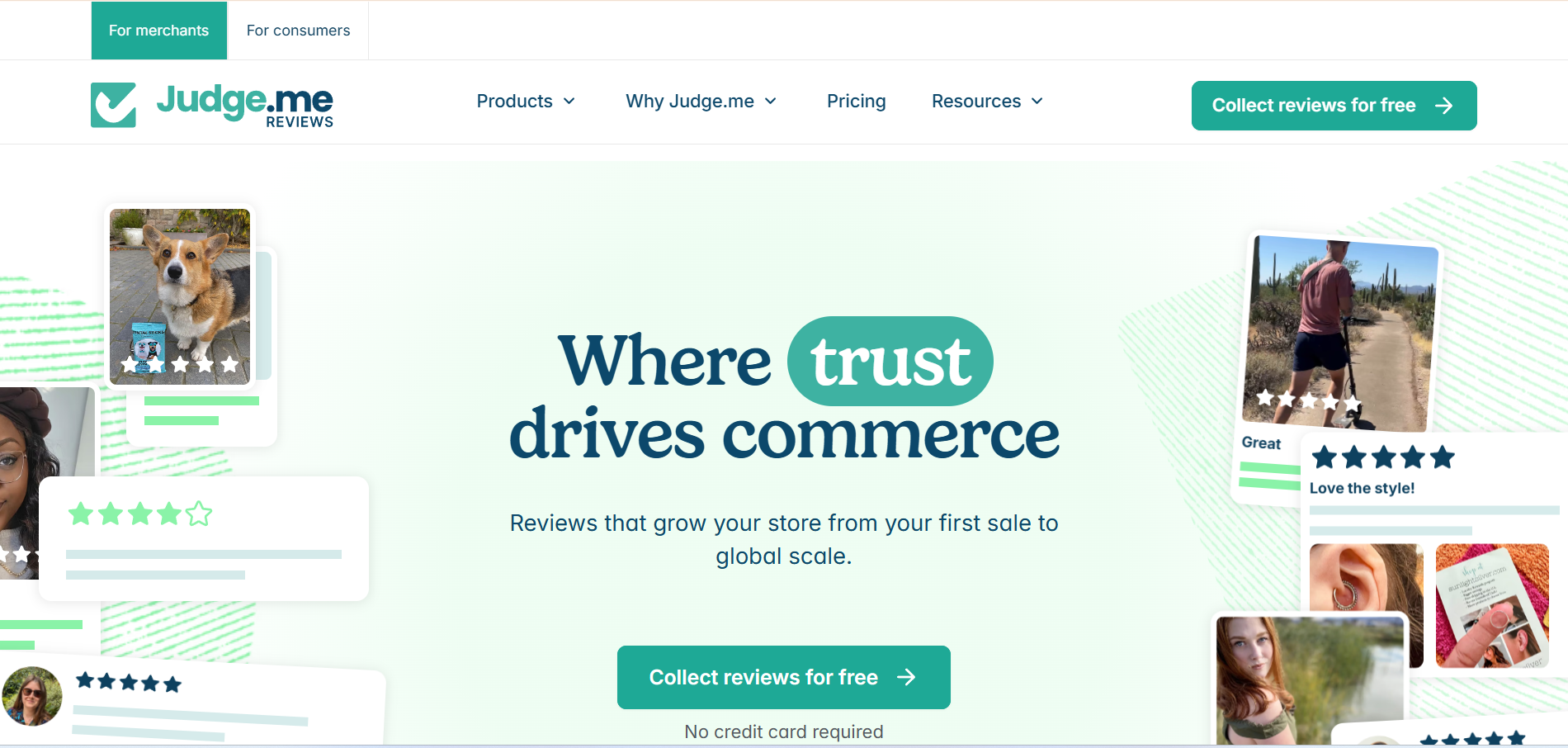
Judge.me helps Shopify clothing brands collect and display product reviews that build trust and support purchase decisions. With photo reviews, automated requests, and customizable widgets, fashion stores can highlight real customer feedback. They can also showcase styling inspiration and strengthen social proof across product and collection pages.
Key Features of Judge.me:
- Unlimited photo & video reviews: Collect visual feedback that helps shoppers understand real-world fit, fabric appearance, and styling possibilities.
- Automated review request emails: Send post-purchase review requests to customers based on fulfillment status to increase review volume.
- Customizable review widgets: Display ratings, carousels, and review snippets across product pages, collections, and homepage sections.
- Q&A and community engagement: Enable customer questions on product pages to address sizing, fit, and fabric concerns before purchase.
- Review import & integrations: Import reviews from other platforms and sync with Shopify to maintain consistent social proof.
Best For: Fashion Shopify brands seeking a cost-effective review solution that strengthens social proof and improves purchase confidence through visual customer feedback.
Pricing: Starts at $15 per month
7. PushOwl
PushOwl helps Shopify clothing brands re-engage shoppers through browser push notifications that recover abandoned carts, promote product drops, and highlight restocks. Fashion merchants can deliver timely alerts without relying solely on email or SMS, improving engagement and encouraging repeat visits.
Key Features of PushOwl:
- Abandoned cart push recovery: Automatically send reminders to shoppers who leave without completing checkout, encouraging return visits and purchase completion.
- Back-in-stock and price drop alerts: Notify subscribers when sold-out apparel items are restocked or discounted, supporting demand-driven conversions.
- Campaign broadcasts for drops & promotions: Send scheduled push campaigns for new collections, seasonal launches, and flash sales.
- Subscriber segmentation: Target notifications based on browsing behavior, product interest, and engagement activity.
- Shopify integration & automation flows: Sync store data to trigger automated push notifications aligned with customer actions and lifecycle stages.
Best For: Fashion Shopify brands focused on re-engagement, product drop communication, and converting browsing intent through timely push-driven reminders.
Pricing: Starts at $19.00per month
8. Gorgias
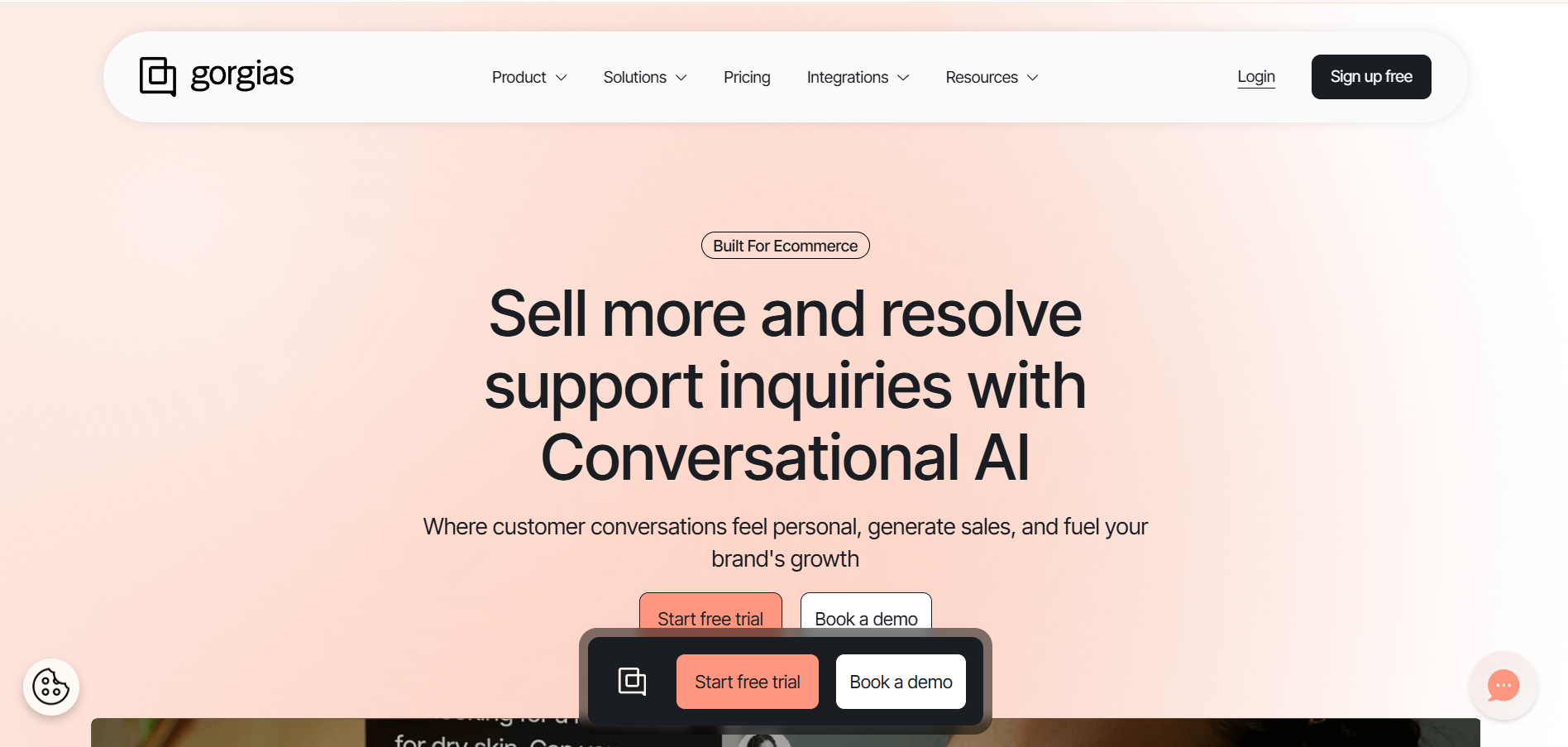
Gorgias helps Shopify clothing brands manage customer support across email, chat, social media, and SMS from a centralized helpdesk. Fashion merchants can resolve sizing questions, order updates, and return requests faster, improving trust, reducing friction, and supporting smoother purchase decisions.
Key Features of Gorgias:
- Unified support inbox: Consolidates email, live chat, Instagram, Facebook, and other channels into one dashboard for customer communication.
- Shopify data integration: Displays order history, shipping status, and customer details inside support tickets for faster resolution.
- Automation & macros: Enables automated responses and reusable templates for common apparel queries like sizing, delivery timelines, and returns.
- Self-service help center: Allows brands to create FAQs and support content that reduces repetitive inquiries and improves customer experience.
- Revenue attribution from support: Tracks sales generated through support interactions to help brands understand support-driven conversions.
Best For: Fashion Shopify brands handling high volumes of sizing inquiries, order tracking requests, and return-related support conversations.
Pricing: Starts at $10 /month.
9. Kiwi Size Chart & Recommender
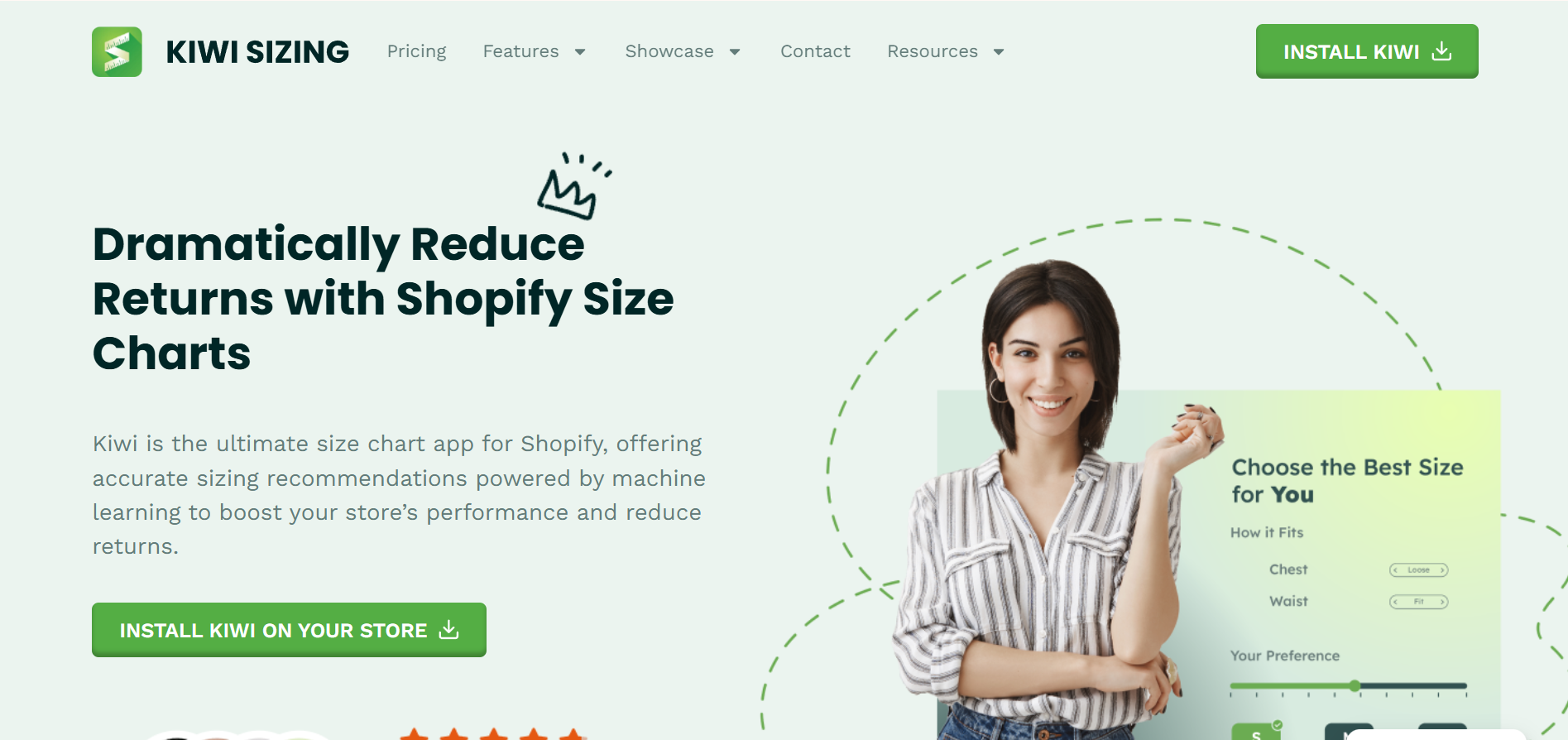
Kiwi Size Chart helps Shopify clothing brands reduce sizing uncertainty by providing customizable size guides and fit assistance across product pages. Fashion merchants can present clear measurement information, improve purchase confidence, and support lower size-related returns without disrupting browsing experience.
Key Features of the Kiwi Size Chart:
- Customizable size charts: Create product-specific measurement guides for categories like tops, dresses, denim, and footwear. This ensures shoppers have access to precise sizing information tailored to each apparel type.
- Size recommendation support: Offer guided size suggestions based on customer measurements, helping shoppers choose the right fit and reducing uncertainty during purchase decisions.
- Automatic unit conversion: Display measurements in inches and centimeters to support international shoppers and improve global shopping clarity.
- Pre-built templates with styling control: Use ready-made chart layouts while customizing fonts, colors, and design elements to match fashion brand aesthetics.
- Flexible display formats: Show size guides as pop-ups, tabs, or inline widgets on product pages to maintain visibility without disrupting browsing flow.
Best For: Fashion Shopify brands aiming to reduce size-related returns and improve purchase confidence through structured and accessible fit guidance.
Pricing: Starts at $6.99/month.
10. Instafeed
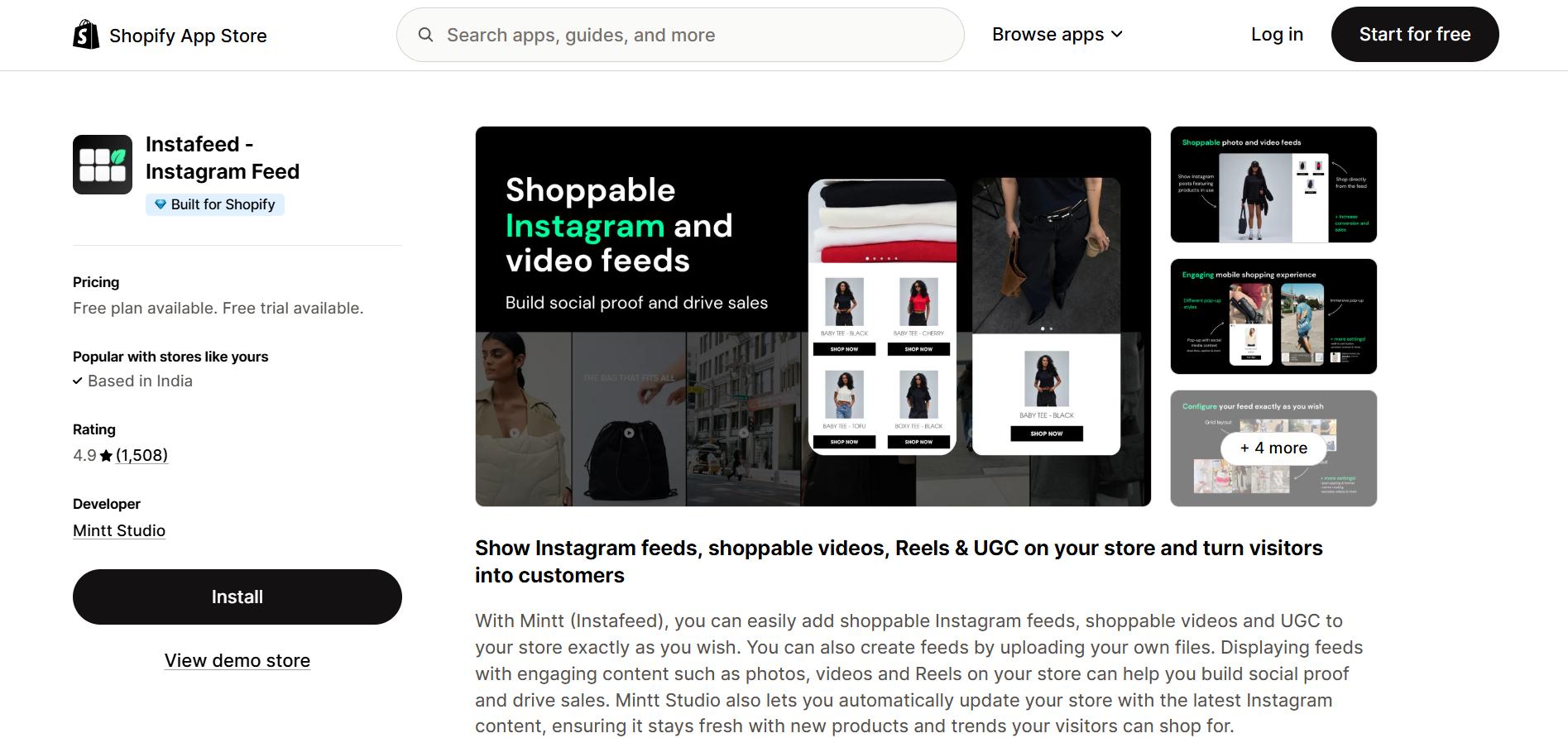
Instafeed helps Shopify clothing brands connect social inspiration with storefront discovery by embedding Instagram feeds directly into their online store. Fashion merchants can showcase lifestyle imagery, influencer content, and styling inspiration, strengthening visual merchandising and encouraging shoppers to explore products through social proof.
Key Features of Instafeed:
- Instagram feed integration: Display real-time Instagram posts within storefront pages to highlight brand aesthetics and outfit inspiration.
- Shoppable social galleries: Connect Instagram visuals to product pages, allowing shoppers to move from inspiration to purchase seamlessly.
- User-generated content display: Showcase customer and influencer posts to reinforce authenticity and styling versatility.
- Custom layout options: Choose grid, slider, or gallery formats with design controls to match fashion storefront branding.
- Automatic content sync: Update feeds automatically as new Instagram posts are published, keeping storefront visuals fresh.
Best For: Fashion Shopify brands focused on social-driven discovery, influencer-led merchandising, and visually immersive shopping experiences.
Pricing: Starts at $8 / month.
11. Outfy
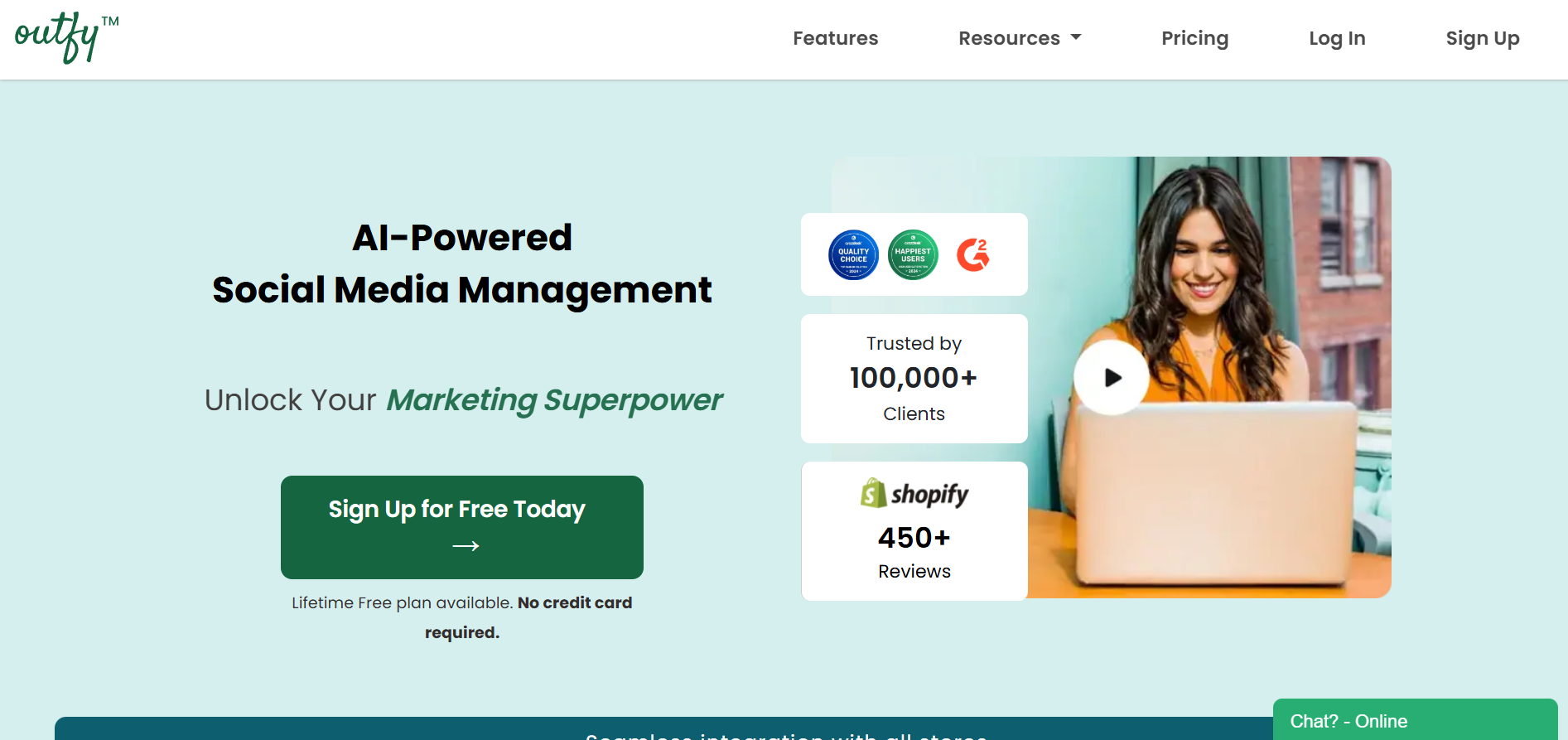
Outfy helps Shopify clothing brands automate social media promotion by converting product listings into ready-to-publish posts across multiple platforms. Fashion merchants can maintain consistent social visibility, promote new arrivals, and drive traffic without manually creating content for each campaign.
Key Features of Outfy:
- Automated product social posts: Convert Shopify product listings into branded social posts for platforms like Instagram, Facebook, and Pinterest.
- Multi-platform publishing: Schedule and publish content across multiple social channels from a centralized dashboard.
- Promo video & collage creation: Generate short promotional videos, GIFs, and image collages that showcase apparel collections and styling visuals.
- Hashtag and caption automation: Create captions and hashtags to support discovery and improve social reach for fashion products.
- Scheduled campaign calendar: Plan product launches, seasonal collections, and promotional campaigns using scheduled posting workflows.
Best For: Fashion Shopify brands aiming to maintain consistent social promotion, automate content creation, and drive traffic from social platforms.
Pricing: Starts at $16/month.
12. Printful
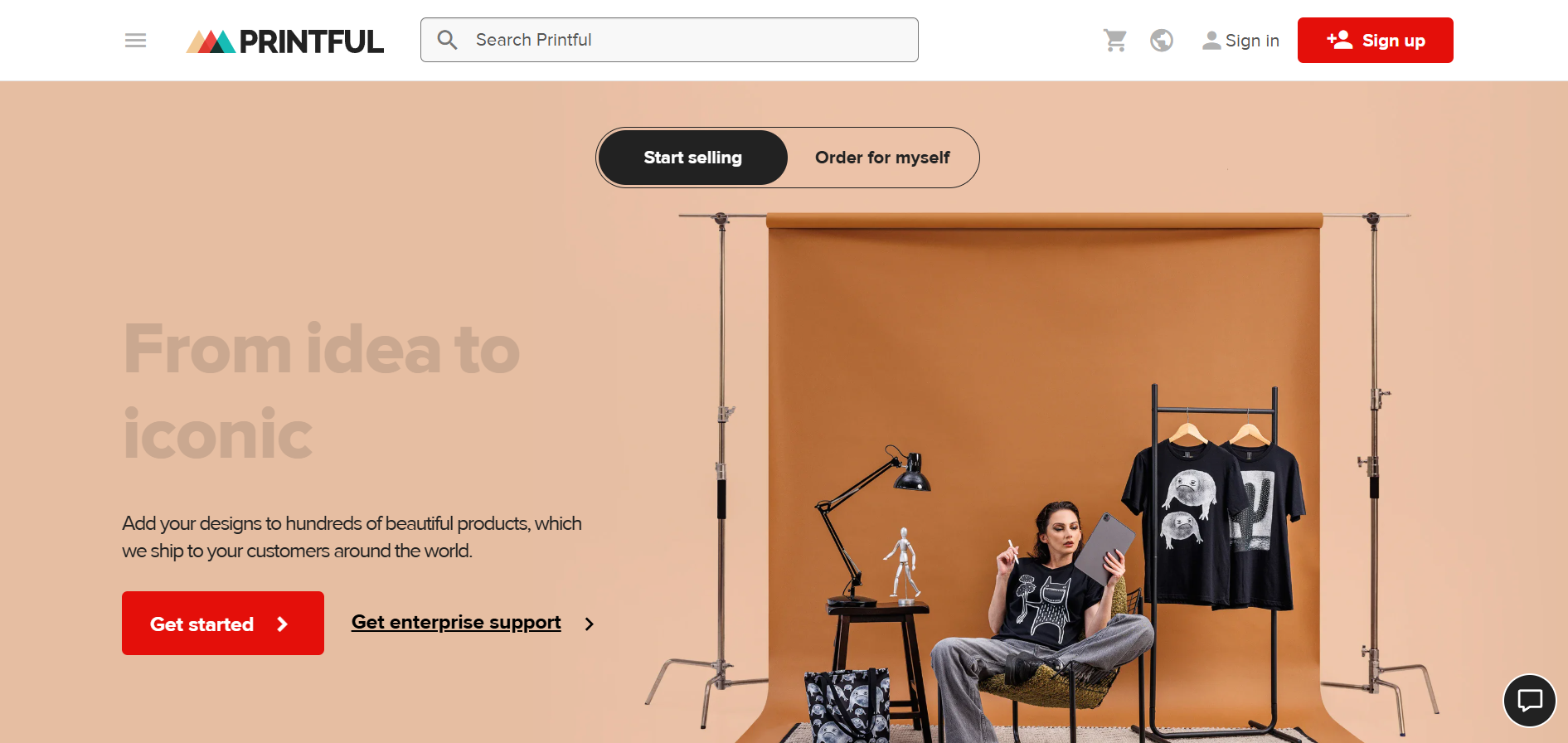
Printful enables Shopify clothing brands to launch print-on-demand apparel without managing inventory or fulfillment. Fashion merchants can design custom products, sync them with their Shopify store, and rely on Printful for production, packaging, and shipping, supporting scalable catalog expansion with lower operational risk.
Key Features of Printful:
- Print-on-demand apparel production: Create custom clothing such as t-shirts, hoodies, leggings, and accessories produced only after orders are placed.
- Shopify integration & product sync: Automatically sync product designs, pricing, and orders between Shopify and Printful.
- Global fulfillment network: Handle printing, packing, and shipping through distributed fulfillment centers to support international delivery.
- Design mockup generator: Generate product mockups for storefront listings without needing professional photoshoots.
- White-label branding options: Offer custom packing slips and branding elements that help maintain brand identity during fulfillment.
Best For: Fashion Shopify brands launching custom apparel lines or expanding product catalogs without holding inventory or managing fulfillment logistics.
Pricing: Starts at $24.99 /month.
With these top apps in mind, let’s discuss how to choose the right combination for your store’s stage, niche, and growth goals.
Tips for Choosing the Best Shopify Apps for Your Clothing Store
Fashion brands often install multiple apps that overlap, slow storefront speed, or fail to solve the real challenges. The right Shopify app should directly address your biggest constraint, whether that’s return rates, drop performance, retention gaps, or merchandising inefficiencies.
1. Based on the store stage
Startup clothing brands should prioritize apps that build trust fast: reviews, size guidance, and mobile optimization. Scaling brands need retention and merchandising tools to support frequent launches, while enterprise brands benefit from personalization and advanced discovery infrastructure.
2. Based on fashion niche
Luxury brands require immersive visual storytelling and premium support apps. Streetwear stores benefit from drop alerts and social commerce tools, while fast fashion and basics-driven brands need inventory automation and lifecycle marketing to manage high SKU turnover.
3. Based on operational complexity
If your catalog has many variants, seasonal SKUs, or multiple suppliers, prioritize size optimization, inventory forecasting, and fulfillment apps. Simpler catalogs can focus more on conversion-focused merchandising and discovery tools.
4. Based on growth goals
If your challenge is traffic quality, choose social commerce and SEO apps. If conversion is the issue, invest in reviews and fit tools. For repeat revenue growth, lifecycle marketing and mobile app builders become essentials.
Once you align your Shopify apps with your store’s stage, niche, operations, and growth goals, you’ll have a tailored toolkit that drives sales, loyalty, and long-term fashion success.
Also Read: How to Improve App Engagement in 2026: 8 Proven Strategies
Conclusion
Fashion brands face constant pressure, fast trends, size uncertainty, and high return rates, but the right Shopify apps turn these challenges into growth levers. From mobile-first browsing and push-driven product drops to visual merchandising and size-guided fit, a curated app stack ensures conversions rise, returns drop, and loyal shoppers keep coming back.
AppMaker encourages clothing brands to dominate mobile engagement with fully native apps, AI-driven design, real-time Shopify sync, and automated push notifications. Brands can launch new collections faster, personalize experiences, and drive repeat purchases without technical bottlenecks or development delays. In 2025 alone, we have generated over 1,000Cr+ GMV through mobile apps for our customers.
If you’re ready to turn mobile into your most powerful sales channel, contact us today and discover how the right Shopify app stack can support growth, reduce friction, and boost lifetime value.
FAQs
1. What are the benefits of using Shopify apps for clothing stores?
Shopify apps help clothing brands improve product discovery, reduce sizing uncertainty, increase conversions, automate marketing, manage inventory, and strengthen retention. They also enable better visual merchandising and customer support, which are essential for fashion-focused shopping experiences.
2. What challenges do clothing stores face when using Shopify apps?
Common challenges include app overlap, increased site load speed, integration conflicts, subscription costs, and feature redundancy. Fashion brands may also struggle with selecting apps that truly reduce returns, support variant complexity, and scale with frequent product launches.
3. What are popular Shopify apps for a women’s clothing store?
Popular apps include mobile app builders, review platforms, size recommendation tools, social commerce integrations, lifecycle marketing apps, and fulfillment solutions. These tools help women’s fashion brands improve styling inspiration, trust, fit confidence, and repeat purchase behavior.
4. Are these Shopify apps worth the cost?
Shopify apps are worth the investment when they solve a clear growth bottleneck such as returns, retention, or discovery. Evaluating ROI through conversion lift, reduced refunds, and repeat purchase growth helps justify subscription expenses effectively.