






















As your Shopify store grows, marketing starts to feel more complex than simply driving traffic. Many scaling DTC brands reach a point where growth requires clearer structure, not just more campaigns. Mobile commerce revenue is expected to reach approximately $2.5 trillion worldwide in 2025, representing about 63% of total retail e-commerce, showing how customer behavior continues to shift.
So why does repeat revenue sometimes grow slower than expected? Often, channels operate separately instead of supporting one another. Shopify store marketing works best when acquisition, onsite experience, and retention move together as one system. In this blog, you will learn practical strategies to align these efforts and build more consistent, sustainable growth.
Key Takeaways:
- Shopify marketing differs from traditional branding because performance comes from systems, not campaigns. Instead of awareness-first marketing, growth depends on how acquisition, experience, and retention work together across connected tools.
- Each strategy impacts a different stage of revenue growth. Acquisition creates visibility, conversion optimization turns interest into purchases, and retention strategies build predictable repeat revenue.
- Effective strategies focus on buyer intent rather than exposure volume. SEO, content, personalization, and lifecycle messaging guide customers toward decisions instead of simply increasing reach.
- Scaling brands succeed by prioritizing the right strategy at the right time. Early stages benefit from traffic generation, while mature stores grow faster through retention, personalization, and owned engagement channels.
- Sustainable growth comes from structured decision-making, not trend chasing. Choosing strategies based on business bottlenecks and operational capacity creates steady progress without unnecessary complexity.
Why Shopify Store Marketing Works Differently From Traditional Ecommerce Marketing
Shopify store marketing works differently because results depend less on individual campaigns and more on how your tools and customer experiences connect. As your brand scales, growth comes from aligning acquisition, onsite engagement, and retention instead of running channels independently. Shopify encourages system thinking rather than campaign-by-campaign execution.
Here are the factors that make Shopify marketing fundamentally different:
- Shopify operates as a connected ecosystem, not a single marketing platform: Your store integrates analytics, engagement tools, personalization apps, and automation workflows. When these systems share data, customers experience a consistent journey across touchpoints.
- Marketing performance depends on tool interaction, not campaign volume: Strong outcomes come from channels supporting each other rather than increasing campaign count. Acquisition, segmentation, and follow-up messaging work best when connected through shared behavior data.
- Mobile behavior drives discovery and repeat engagement: Most customers browse and revisit stores on mobile devices, making speed and clarity essential. Mobile engagement channels like push notifications help re-engage customers directly and consistently.
- Platform structure introduces practical marketing decisions: Themes, integrations, and app dependencies influence performance and user experience. Coordinated tool selection helps maintain speed and consistent customer data.
- Customer data ownership changes marketing priorities: Shopify allows you to build owned audiences through email, SMS, and mobile apps. These channels create long-term communication opportunities independent of paid platforms.
- Retention becomes a primary growth driver as stores scale: Repeat purchases and lifetime value become more important than constant acquisition. Personalized messaging and app-based engagement, supported by solutions like AppMaker, help sustain long-term growth.
Avoid viewing Shopify marketing as isolated tactics. It works best as a coordinated system where each interaction strengthens the next.
Also Read: How Much Does It Cost to Build a Shopify App in 2026?
Now that you understand the system behind Shopify marketing, let’s look at the strategies that actually make it work.
17 Shopify Store Marketing Strategies That Drive Sustainable Growth in 2026
Strong Shopify store marketing works when acquisition, conversion improvement, and retention support one another instead of operating independently. Scaling brands see better results when traffic generation connects directly to onsite experience and long-term customer engagement. The strategies below focus on practical execution so every effort contributes to measurable growth.
Before applying individual tactics, keep this operating principle in mind:
- Acquisition brings attention.
- Conversion experience turns interest into purchases.
- Retention builds predictable revenue over time.
Each strategy below strengthens one part of that system while supporting the others.
1. Shopify Store Marketing Through Search Engine Optimization
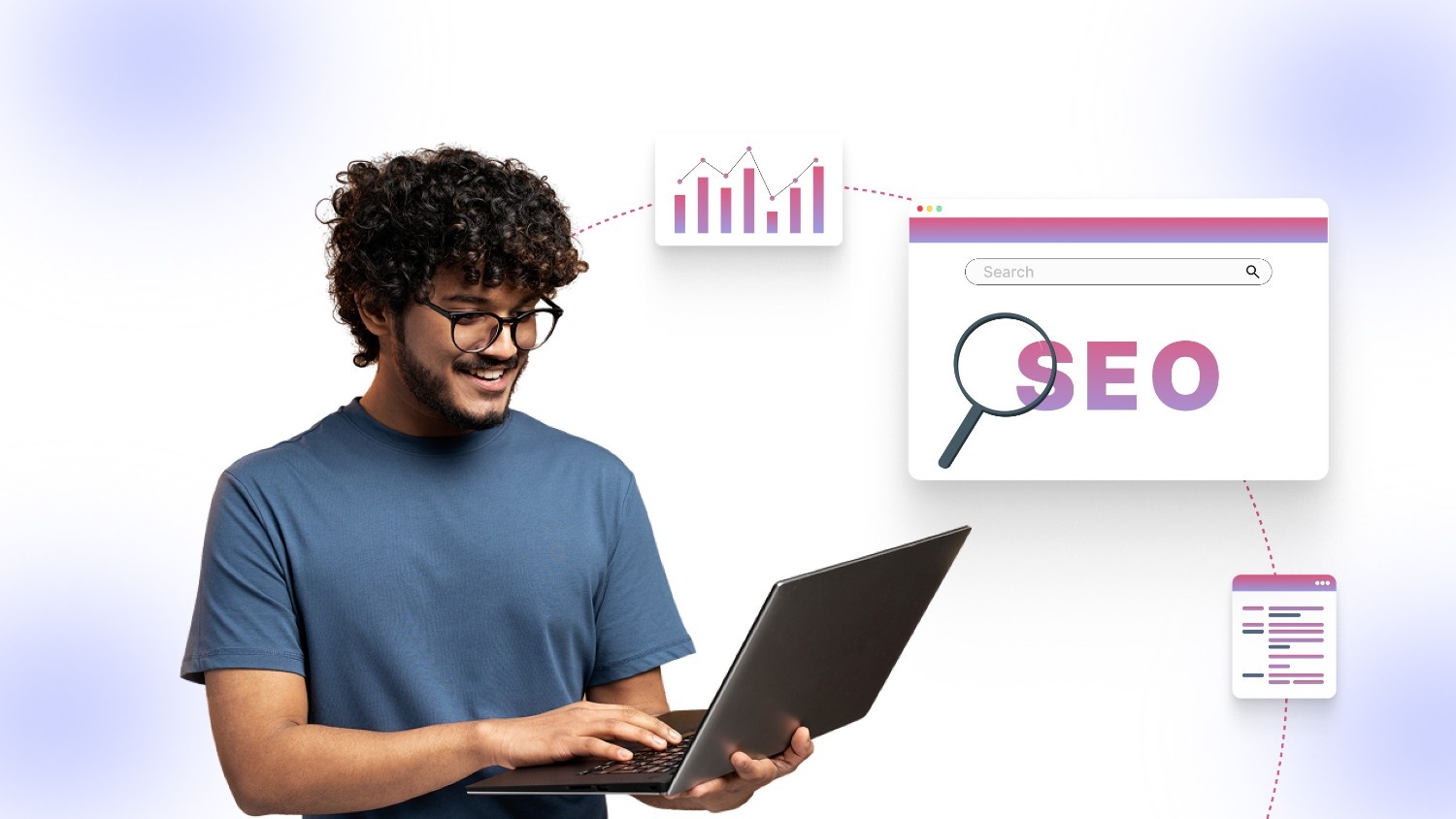
Search engine optimization helps you attract customers already searching for products like yours. Instead of relying only on paid traffic, SEO builds consistent, high-intent visibility that compounds over time.
- What it is: Optimizing product pages, collections, and supporting content so search engines clearly understand your store and match it with buyer intent.
- Why it works for scaling brands: Organic traffic brings motivated shoppers while reducing reliance on increasing ad costs.
- How to execute practically:
- Balance product and informational search intent through optimized product pages and educational content.
- Treat collection pages as category landing pages with descriptive copy and structured headings.
- Link blog content directly to products and collections.
- Maintain fast loading speeds, clean URLs, and optimized images.
Mistake to avoid: Reusing manufacturer descriptions or overusing keywords instead of creating clear, original content.
2. Shopify Store Marketing With Content That Builds Buying Intent
Content works best when it helps customers make decisions, not just discover your brand. Strategic content reduces hesitation and guides shoppers toward purchase readiness.
- What it is: Educational and comparison-focused content designed to answer buying questions and support evaluation.
- Why it works for scaling brands: Better-informed visitors convert faster and require fewer promotional incentives.
- How to execute practically:
- Publish buying guides, comparisons, and usage tutorials.
- Support longer purchase cycles with FAQs and explainer articles.
- Link every article to relevant products or collections.
- Repurpose blog content into email flows and social content.
Mistake to avoid: Publishing traffic-focused blog posts that never lead readers toward products.
3. Shopify Store Marketing Using Paid Search Advertising
Paid search captures customers actively looking for solutions. When aligned with intent, it drives fast growth while revealing valuable customer insights.
- What it is: Search ads targeting keywords that signal purchase readiness.
- Why it works for scaling brands: High-intent traffic converts efficiently and provides data that improves messaging and merchandising.
- How to execute practically:
- Focus on product and comparison keywords.
- Send traffic to relevant collections or landing pages.
- Use search data to refine product positioning.
- Retarget visitors through follow-up channels.
Mistake to avoid: Sending paid traffic to your homepage instead of intent-matched pages.
4. Shopify Store Marketing Through Social Media Engagement
Social media supports discovery and trust when used for interaction rather than constant promotion. Consistent engagement builds familiarity before customers visit your store.
- What it is: Platform-specific storytelling that combines organic engagement with paid amplification.
- Why it works for scaling brands: Trust-driven discovery improves conversion readiness and strengthens brand recall.
- How to execute practically:
- Adapt content formats to each platform.
- Promote high-performing organic posts through paid campaigns.
- Show products in context through demonstrations and customer stories.
- Encourage comments, saves, and conversations.
Brands using AppMaker can reconnect social audiences later through push notifications once users install the app, extending engagement beyond social feeds.
Mistake to avoid: Judging success only by followers or impressions instead of engagement and conversions.
5. Shopify Store Marketing With Creator and Influencer Partnerships
Creator partnerships help customers discover products through trusted voices rather than traditional advertising. For scaling brands, this channel works best when creators act as long-term advocates instead of short campaign placements. The goal is credibility and consistent exposure, not short bursts of attention.
Use the following structure when building creator collaborations:
- What it is: Partnering with niche creators whose audiences closely match your customer profile. Smaller, focused communities often generate stronger engagement than broad influencer reach.
- Why it works for scaling brands: Trust-driven discovery reduces purchase hesitation because customers see products demonstrated in authentic contexts. Repeat exposure through familiar creators strengthens brand recall and improves conversion readiness.
- How to execute practically:
- Select creators already discussing your category naturally.
- Provide flexible creative direction instead of scripted messaging.
- Repurpose creator content across ads, product pages, and email campaigns.
- Track performance using unique links or discount attribution.
Mistake to avoid: Treating creator marketing as a one-time sponsorship. Ongoing partnerships build familiarity and stronger purchase confidence over time.
Also Read: 9 High-Impact Mobile Customer Engagement Strategies in 2026
6. Shopify Store Marketing Using Onsite Popups and Smart Messaging
Onsite messaging converts existing traffic into owned audiences and guided buying experiences. Instead of interrupting visitors, well-timed prompts help customers take the next step naturally. For scaling stores, this improves conversion efficiency without increasing acquisition costs.
Effective onsite messaging includes structured triggers and segmentation:
- What it is: Context-aware popups and banners triggered by behavior such as exit intent, first visit, browsing duration, or cart activity.
- Why it works for scaling brands: Traffic acquisition becomes more efficient when visitors join email or SMS lists. Owned audiences allow continued engagement beyond a single visit.
- How to execute practically:
- Use welcome offers for first-time visitors.
- Trigger exit-intent messages only after meaningful browsing.
- Segment offers based on product categories viewed.
- Collect email or SMS before offering discounts.
Mistake to avoid: Showing popups immediately or too frequently. Interruptions reduce trust and shorten browsing sessions.
7. Shopify Store Marketing Through Product Reviews and Social Proof
Social proof reassures customers that others have successfully purchased and enjoyed your products. Reviews reduce uncertainty during decision-making, especially for new visitors unfamiliar with your brand. When placed strategically, they strengthen confidence at key purchase moments.
Build social proof intentionally across the customer journey:
- What it is: Customer-generated content such as reviews, ratings, photos, and testimonials displayed throughout the store experience.
- Why it works for scaling brands: User-generated content validates product quality without relying solely on brand messaging. Shoppers trust peer experiences, which shortens decision time and increases conversions.
- How to execute practically:
- Display reviews near pricing and add-to-cart buttons.
- Highlight photo and video reviews where possible.
- Showcase top-rated products on collection pages.
- Request reviews automatically after delivery through email flows.
Mistake to avoid Hiding negative feedback or using artificial reviews. Balanced feedback increases credibility and customer trust.
8. Shopify Store Marketing With Personalized Offers
Personalized offers align incentives with customer behavior instead of applying broad discounts. This approach improves conversion while protecting margins. Scaling brands benefit because promotions feel relevant rather than promotional.
Structured personalization creates better engagement outcomes:
- What it is: Offers tailored to browsing behavior, purchase history, or engagement patterns rather than identical discounts for every visitor.
- Why it works for scaling brands: Behavioral incentives reward intent signals, encouraging purchases without reducing perceived product value. Customers respond more positively when offers reflect their interests.
- How to execute practically:
- Offer discounts based on abandoned cart activity.
- Provide category-specific incentives tied to browsing history.
- Reward repeat customers with loyalty-based offers.
- Use conditional display rules to show different offers to different audiences.
Platforms that enable conditional experiences, including AppMaker’s personalization and conditional block capabilities, allow these offers to adapt dynamically within mobile apps and storefront experiences.
Mistake to avoid: Offering storewide discounts repeatedly. Blanket promotions reduce margins and train customers to wait for sales instead of purchasing at full value.
9. Shopify Store Marketing Using Upselling and Cross-Selling
Upselling and cross-selling help you increase revenue from customers who already intend to purchase. Instead of focusing only on new traffic, this strategy improves the value of each transaction through relevant recommendations. When implemented thoughtfully, it feels helpful rather than promotional.
Use contextual recommendations to guide purchasing decisions:
- What it is: Showing complementary or upgraded products based on what a shopper is currently viewing or buying.
- Why it works for scaling brands: Increasing average order value improves revenue efficiency without increasing acquisition spend. Customers often welcome helpful suggestions when they align with intent.
- How to execute practically:
- Recommend accessories or complementary items on product pages.
- Add cart-level bundles or upgrade suggestions before checkout.
- Display post-purchase offers immediately after order confirmation.
- Use behavioral data to personalize recommendations.
- Mistake to avoid: Suggesting unrelated products. Irrelevant recommendations reduce trust and distract from purchase completion.
10. Shopify Store Marketing Through Email Automation
Email automation turns one-time buyers into long-term customers by maintaining consistent communication. Instead of relying on manual campaigns, automated flows respond to customer behavior at the right moment. This makes email one of the most reliable owned marketing channels.
Structure email automation around lifecycle engagement:
- What it is: Automated email sequences triggered by actions such as signup, browsing activity, purchase completion, or replenishment timing.
- Why it works for scaling brands: Owned audiences provide predictable engagement without recurring ad costs. Automation allows communication at scale while remaining relevant to individual customers.
- How to execute practically:
- Create welcome flows introducing brand value and best products.
- Send abandoned cart reminders with contextual product details.
- Build replenishment emails for consumable products.
- Add post-purchase education or usage guidance.
Mistake to avoid: Using email only for promotions. Campaign-only communication reduces engagement and weakens long-term customer relationships.
Also Read: 10 Smart Ways to Promote Your Shopify Store in 2026
11. Shopify Store Marketing Using SMS and Push Notifications
SMS and push notifications create direct communication channels with high visibility. Messages appear instantly on customer devices, making them effective for time-sensitive engagement. When used thoughtfully, they encourage timely action without relying on inbox attention.
Build engagement through controlled messaging:
- What it is: Short, permission-based messages delivered via SMS or mobile app push notifications triggered by customer actions or events.
- Why it works for scaling brands: High open rates increase the likelihood of immediate interaction. These channels reconnect customers quickly, improving retention and repeat visits.
- How to execute practically:
- Send back-in-stock alerts or limited-time promotions.
- Trigger cart reminders shortly after abandonment.
- Notify customers about order updates or exclusive releases.
- Segment audiences based on purchase history or behavior.
Native apps powered by AppMaker strengthen this strategy by enabling personalized push notifications tied directly to Shopify data and customer behavior.
Mistake to avoid: Sending messages too frequently. Overcommunication reduces engagement and encourages opt-outs.
12. Shopify Store Marketing With Loyalty Programs
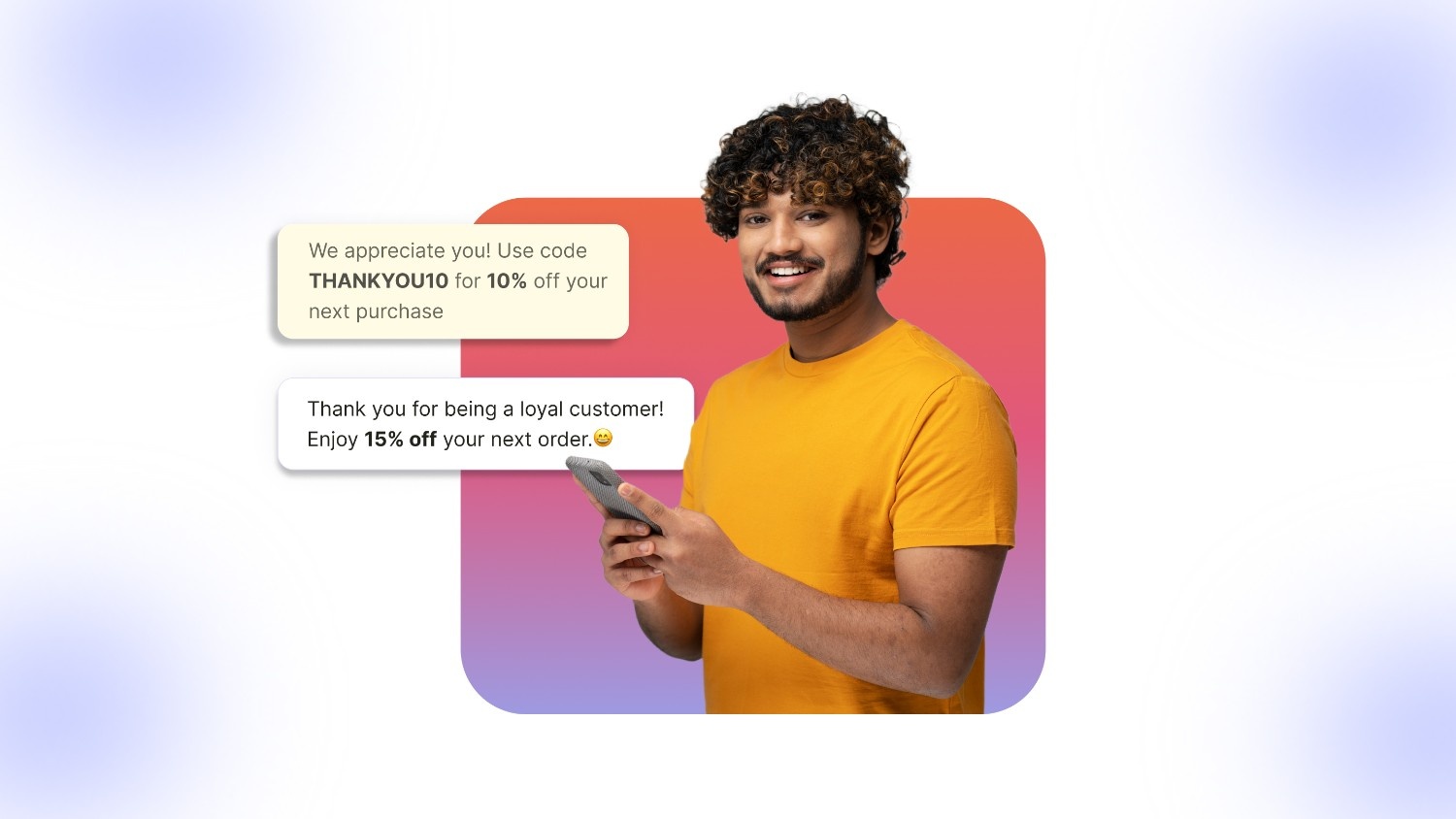
Loyalty programs encourage customers to return by rewarding consistent engagement. Instead of relying on constant discounts, you create structured incentives that strengthen long-term relationships. This approach supports predictable repeat revenue.
Design loyalty systems around clear value:
- What it is: A rewards framework where customers earn benefits through purchases, referrals, or engagement actions.
- Why it works for scaling brands: Returning customers purchase more frequently and require less acquisition investment. Loyalty programs reinforce familiarity and encourage continued interaction.
- How to execute practically:
- Offer points for purchases, reviews, or referrals.
- Introduce tier levels that unlock additional benefits.
- Provide early product access or exclusive perks.
- Display reward progress visibly within customer accounts.
Mistake to avoid: Creating overly complex systems. Customers engage more when rewards are easy to understand and achievable.
13. Shopify Store Marketing Through Referral Programs
Referral programs turn satisfied customers into active promoters of your brand. Recommendations from existing buyers carry strong credibility and often convert faster than traditional advertising. This strategy expands acquisition through trusted relationships.
Encourage advocacy through structured incentives:
- What it is: A program rewarding customers for referring new shoppers through unique links or codes.
- Why it works for scaling brands: Referred customers arrive with built-in trust, improving conversion likelihood and customer quality. Advocacy also strengthens the brand community.
- How to execute practically:
- Offer rewards for both the referrer and the new customer.
- Provide simple sharing links via email or account dashboards.
- Promote referral opportunities after successful purchases.
- Highlight referral benefits within loyalty or post-purchase flows.
Mistake to avoid: Using unclear reward rules. Transparent incentives increase participation and trust.
14. Shopify Store Marketing Using Retargeting Campaigns
Retargeting helps you reconnect with visitors who showed interest but did not complete a purchase. Instead of constantly acquiring new traffic, you rebuild audiences using behavioral signals captured during earlier visits. This keeps your brand visible while customers continue evaluating options.
Structure retargeting around intent signals:
- What it is: Pixel-based tracking that creates audiences from actions such as product views, cart activity, or previous purchases.
- Why it works for scaling brands: Returning visitors already recognize your brand, which shortens decision time and improves conversion efficiency compared to cold audiences.
- How to execute practically:
- Install tracking pixels across Shopify pages to capture behavior data.
- Create segmented audiences based on actions like viewed products or abandoned carts.
- Deliver tailored ads across platforms such as Meta, Google, and YouTube.
- Rotate creative formats showing product benefits, reviews, or reminders.
Mistake to avoid: Showing identical ads repeatedly. Creative variation maintains engagement and prevents audience fatigue.
15. Shopify Store Marketing With Marketing Automation Workflows
Marketing automation connects customer actions with timely responses, allowing your store to communicate consistently without manual effort. Instead of sending campaigns manually, workflows respond automatically to behavior patterns. This improves relevance while saving operational time.
Build automation around structured journeys:
- What it is: Trigger-based workflows that activate messages or experiences when customers take specific actions.
- Why it works for scaling brands: Automation maintains consistent engagement as customer volume grows, ensuring no opportunity depends on manual execution.
- How to execute practically:
- Trigger workflows based on browsing, purchases, or inactivity.
- Segment audiences using purchase frequency or product interest.
- Combine email, SMS, and push notifications within a single journey.
- Review workflow performance regularly and refine messaging.
Mistake to avoid: Setting workflows once and ignoring performance. Automation requires periodic review to stay relevant.
16. Shopify Store Marketing Through Seasonal and Event Campaigns
Seasonal campaigns align your marketing with predictable buying periods when customer intent naturally increases. Planning ahead allows you to capture demand efficiently instead of reacting when competition peaks. Structured preparation improves both performance and operational clarity.
Organize campaigns using a forward-looking calendar:
- What it is: Promotions and campaigns planned around holidays, product launches, or recurring shopping events.
- Why it works for scaling brands: Demand spikes provide opportunities for higher revenue without increasing acquisition complexity when preparation is structured.
- How to execute practically:
- Build a yearly promotional calendar covering major retail events.
- Prepare landing pages, creative assets, and messaging early.
- Warm audiences through teaser campaigns before launch.
- Coordinate email, ads, and push notifications for consistent messaging.
Mistake to avoid: Launching campaigns at the last minute. Preparation improves messaging consistency and operational execution.
Also Read: How to Create a Business Mobile App Easily in 2026
17. Shopify Store Marketing With Mobile Apps and App-Based Engagement
Mobile apps create a direct connection between your brand and customers beyond the browser session. Instead of relying solely on email or ads, apps allow continuous engagement through personalized experiences. This strengthens retention and increases purchase frequency over time.
App-based engagement expands your marketing capabilities:
- What it is: A native mobile app connected to your Shopify store that enables personalized browsing, faster checkout, and direct communication through push notifications.
- Why it works for scaling brands: App users typically return more often and engage more deeply. Push notifications achieve strong visibility, helping re-engage customers faster than traditional channels.
- How to execute practically:
- Encourage app installs through post-purchase prompts and loyalty incentives.
- Use push notifications for restocks, exclusive releases, and reminders.
- Personalize app layouts and recommendations based on behavior.
- Sync store data in real time to keep content updated automatically.
Mistake to avoid: Treating the app as only another sales channel. Focus on relationship-building through helpful communication and personalized experiences rather than constant promotion.
With so many options on the table, the real advantage comes from knowing which strategy to use next.
How to Choose the Right Shopify Store Marketing Strategy for Your Growth Stage
Choosing the right Shopify store marketing strategy is less about doing more and more about focusing on what your store needs next. Each growth stage brings different priorities, and applying every tactic at once often spreads effort too thin. Progress comes from aligning marketing actions with your current business goals and operational capacity.
Use the following growth-stage mapping to guide prioritization:
To apply this effectively, focus on practical decision factors:
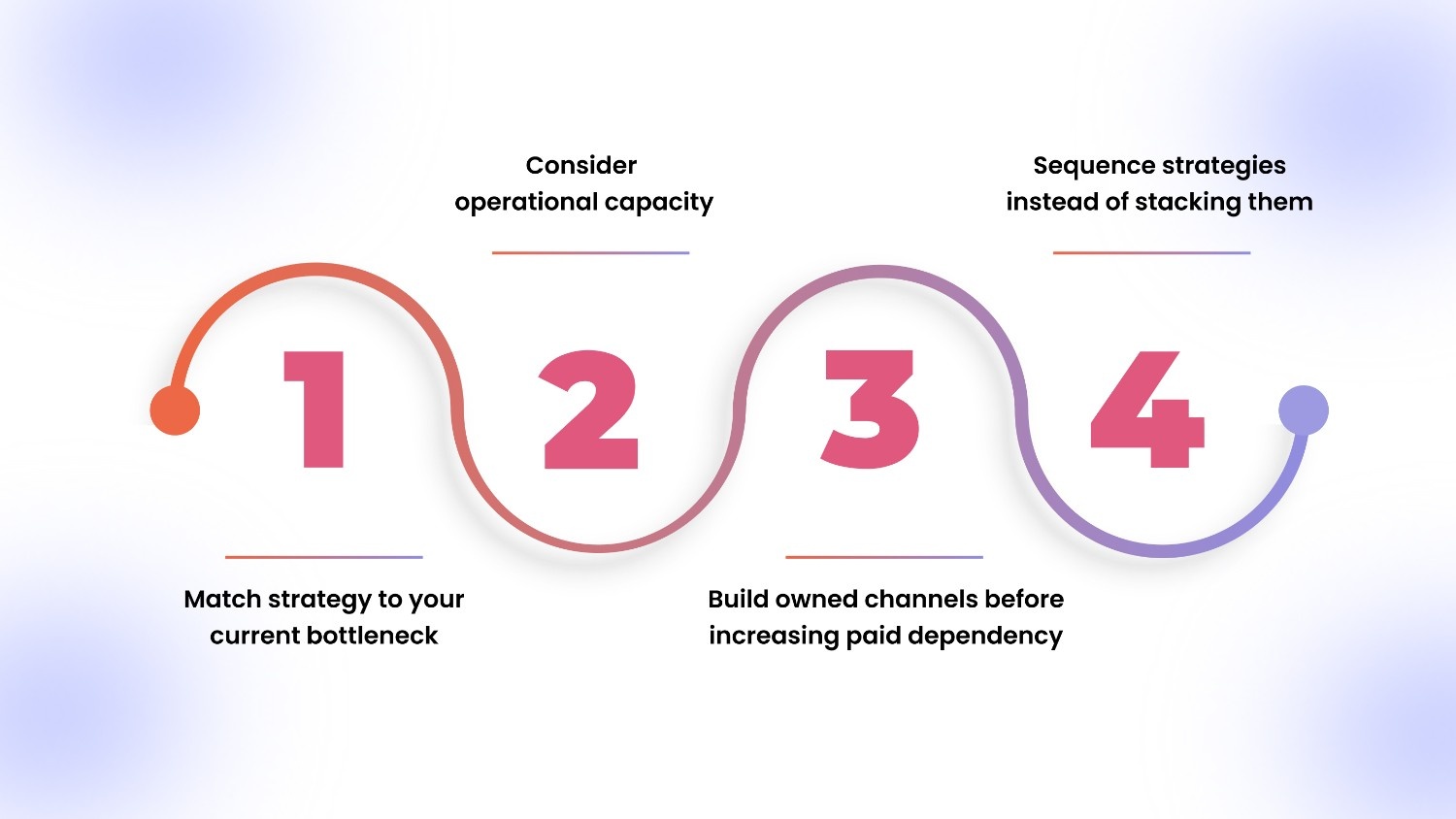
- Match strategy to your current bottleneck: If traffic is low, prioritize acquisition. If traffic exists but conversions lag, improve UX, messaging, and personalization before adding new channels.
- Consider operational capacity: Choose strategies your team can maintain consistently. Automation tools and centralized platforms help reduce manual workload as complexity increases.
- Build owned channels before increasing paid dependency: Email lists, SMS subscribers, and mobile app users create direct communication paths. Solutions like AppMaker strengthen this by enabling push notifications and personalized in-app engagement tied directly to Shopify data.
- Sequence strategies instead of stacking them simultaneously: Acquisition feeds conversion optimization, and conversion improvements support retention efforts. Each stage prepares the foundation for the next.
Avoid chasing every tactic at once. Sustainable Shopify store marketing comes from applying the right strategy at the right moment in your growth journey. Once your strategy is clear, the next step is strengthening the channel that keeps customers coming back.
How AppMaker Strengthens Shopify Store Marketing for Scaling Brands
Once your acquisition and conversion systems are in place, the next step is improving retention and repeat engagement. Mobile apps help you stay connected beyond the browser, creating consistent touchpoints that support long-term revenue. Native apps turn Shopify store marketing into a direct, owned engagement channel.
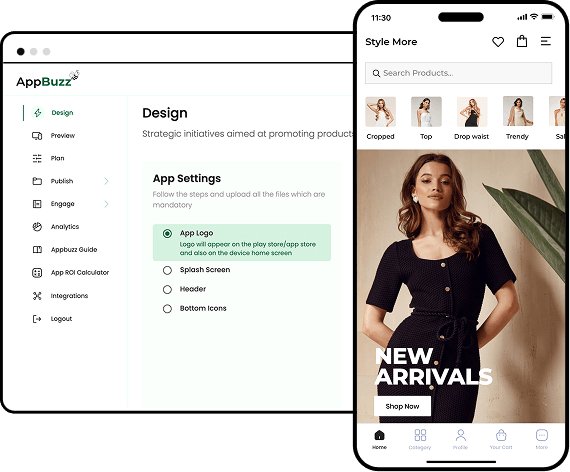
AppMaker supports this shift by combining no-code speed with deeper customization as your brand grows. Brands using this approach have seen conversion increases of up to 4x and repeat purchase improvements of up to 70%, highlighting the value of personalized mobile engagement.
Here is how AppMaker strengthens your marketing system:
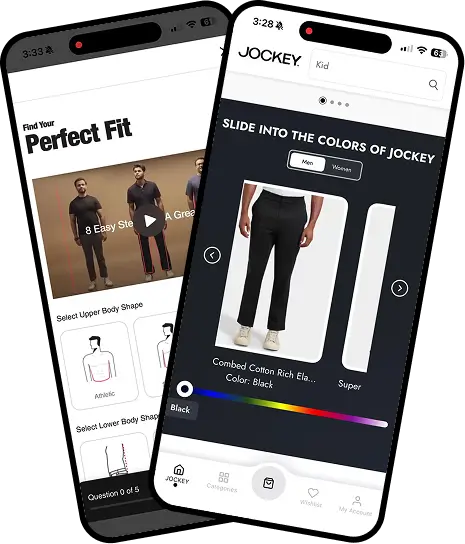
- Native mobile apps increase repeat purchases through faster browsing, saved preferences, and personalized shopping experiences.
- Real-time Shopify sync keeps products, inventory, and customer data automatically aligned, reducing manual work and campaign errors.
- Push notifications create owned engagement for restocks, reminders, and personalized promotions without platform dependency.
- AppMaker Studio gives marketing teams drag-and-drop control over layouts and content without developer support.
- AI tools accelerate personalization and insights:
- Eidolon AI converts Figma files or screenshots into reusable app layouts, reducing setup time.
- John AI answers analytics questions in plain language, helping you understand product and customer behavior faster.
- Rubik’s AI adjusts layouts, recommendations, and content dynamically based on user activity.
- Conditional Blocks and Code Blocks enable deep customization, allowing segmented experiences instead of fixed templates.
- 160+ integrations connect your app with analytics, CRM, loyalty, and marketing tools already in use.
Most app builders rely on templates, while AppMaker enables deeper customization built for scaling Shopify brands.
Conclusion
Shopify store marketing works best when acquisition, customer experience, and retention operate as one connected system. Sustainable growth comes from strengthening how these elements support each other rather than constantly adding new channels or tactics. When your marketing efforts align, every interaction moves customers closer to long-term loyalty.
As brands scale, mobile engagement becomes a natural extension of this system. Solutions like AppMaker help you build owned customer relationships through personalized app experiences and direct communication channels. Exploring mobile engagement can become the next meaningful step toward consistent, relationship-driven growth.
Ready to explore mobile engagement for your Shopify store? Contact us to learn how AppMaker can support your next stage of growth.
FAQs
Q: How can you structure Shopify store marketing budgets for predictable monthly growth?A: Allocate budgets based on performance stages instead of channels alone. Balance acquisition spending with retention investments to stabilize revenue fluctuations over time.
Q: How do Shopify brands identify which customer segments deserve higher marketing investment?A: Analyze repeat purchase frequency, average order value, and engagement signals together. Prioritize segments showing long-term buying behavior rather than one-time high spenders.
Q: What is a practical way to measure Shopify store marketing efficiency beyond ROAS?A: Track contribution margin alongside customer lifetime value trends. This helps you understand whether marketing activity supports sustainable profitability instead of short-term returns.
Q: How should scaling Shopify brands test new marketing channels without risking performance drops?A: Introduce new channels through controlled budget experiments tied to specific goals. Compare incremental performance rather than replacing existing channels immediately.
Q: How can Shopify merchants align merchandising decisions with marketing performance insights?A: Use search queries, customer behavior data, and conversion patterns to refine product positioning. Marketing insights often reveal unmet demand and messaging opportunities.
Q: What role does customer journey timing play in improving Shopify store marketing outcomes?A: Map communication timing to buying cycles instead of fixed schedules. Messages aligned with intent signals typically drive stronger engagement and higher repeat purchasing behavior.