






















Many ecommerce brands reach a point where their mobile app needs to do more than simply exist in app stores. As customer expectations grow, teams begin looking for greater control over design, engagement, and long-term flexibility. If you are searching for top GoodBarber alternatives, you are likely rethinking how your mobile experience should evolve as your brand scales.
In 2025, mobile ecommerce accounts for 59% of total retail ecommerce sales, reaching $2.51 trillion in revenue. Does your mobile app need to do more than mirror your website? In this blog, you will explore the top GoodBarber alternatives and find a solution that supports steady growth with confidence.
Quick Snapshot
- Brands usually explore GoodBarber alternatives when mobile shifts from a launch task to a growth channel. As apps begin driving retention and repeat purchases, flexibility and iteration become more important than simple deployment.
- Not all alternatives solve the same problem. AppMaker and Fuego.io focus on customization and scalability, Shopney emphasizes Shopify marketing automation, while MobiLoud prioritizes managed convenience over internal control.
- Your choice depends on how much ownership you want. Some platforms handle setup and maintenance for you, while others give direct control over layouts, personalization, and ongoing experimentation.
- The strongest alternatives support a long-term ecommerce strategy, not just app publishing. Capabilities like adaptive layouts, integrations, and behavior-driven engagement determine whether your app can grow alongside your brand.
- Selecting the right platform comes down to operational fit. Teams balancing speed today with flexibility tomorrow often favor solutions that allow quick launches while still supporting deeper customization later.
Why Businesses Are Looking for GoodBarber Alternatives?
As your ecommerce brand grows, your mobile app starts serving a bigger role than simply being present in app stores. Expectations shift from launching quickly to improving retention, personalization, and long-term flexibility. Reviews across platforms like G2, Capterra, and Software Advice Reviews reveal a consistent pattern behind why many teams begin exploring GoodBarber alternatives.
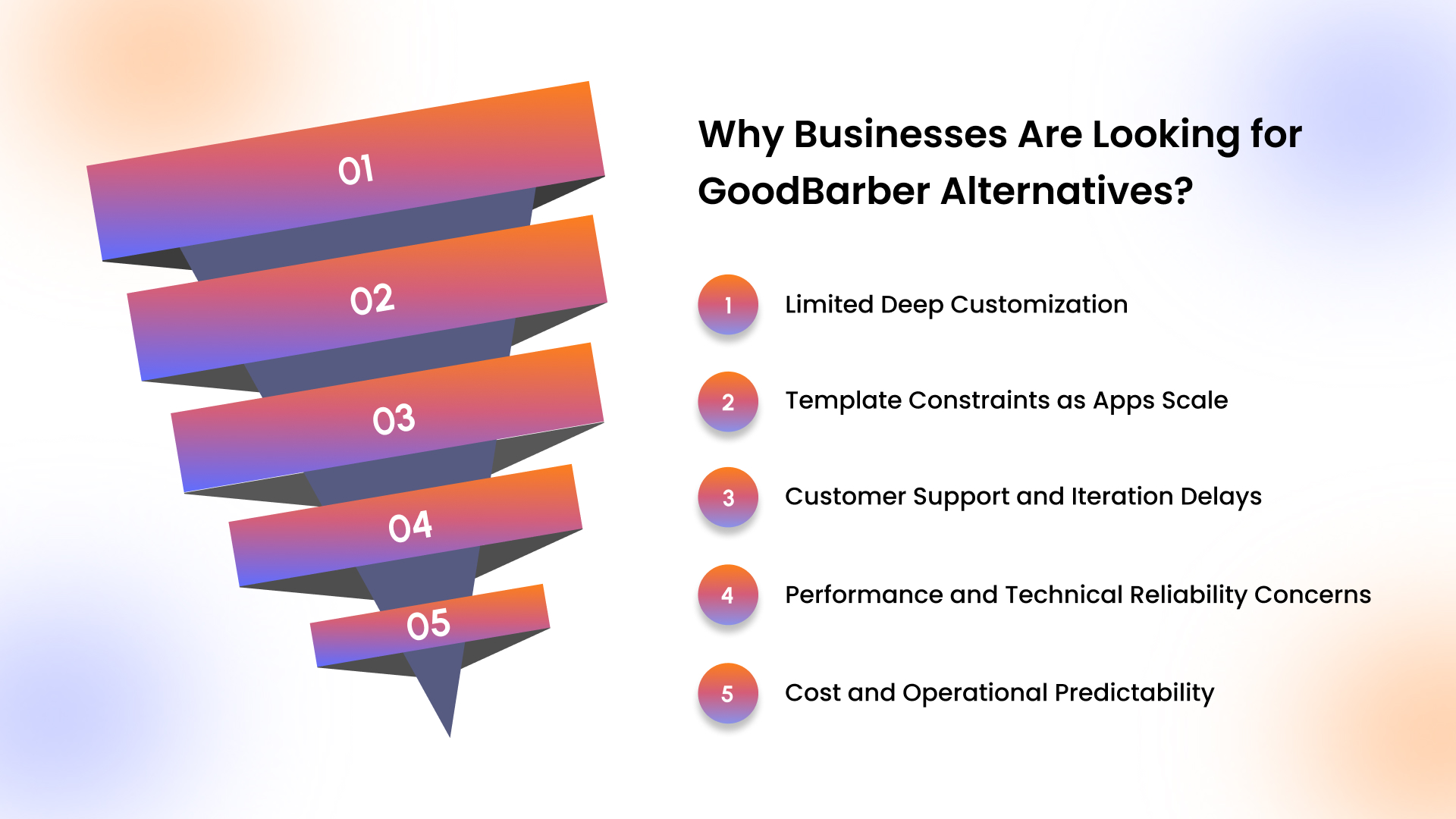
1. Limited Deep Customization
Many users appreciate how quickly an app can be created using drag-and-drop tools. However, reviews frequently mention that customization becomes restrictive once brands want more advanced control. Teams looking to modify navigation logic, create unique user journeys, or experiment with app-specific experiences often find themselves constrained by preset structures.
Several G2 reviewers describe the platform as effective for simple apps but difficult to extend when business requirements grow beyond standard layouts.
2. Template Constraints as Apps Scale
GoodBarber works well for early launches and straightforward use cases, but merchants with expanding ecommerce strategies report friction over time. Users note that advanced merchandising ideas, deeper personalization, or complex workflows do not always fit easily within template-driven systems.
This creates a ceiling where design flexibility stops matching marketing experimentation needs.
3. Customer Support and Iteration Delays
Across review platforms, support responsiveness appears as a recurring concern. Users report waiting extended periods for technical clarification or issue resolution, which can slow publishing timelines or feature updates.
When mobile becomes an active sales channel, slower iteration cycles begin affecting campaign execution and testing speed.
4. Performance and Technical Reliability Concerns
Some reviewers mention lag, bugs, or inconsistent app behavior after launch, particularly as apps grow in complexity. When performance issues impact user experience, brands start reconsidering whether the underlying architecture can support long-term growth expectations.
5. Cost and Operational Predictability
While initial pricing appears accessible, multiple reviews highlight that ongoing costs, premium upgrades, or publishing requirements become more noticeable over time. As update frequency increases, teams begin evaluating platforms that better align with continuous iteration rather than one-time deployment.
Now that the reasons behind the search are clear, let’s look at the platforms brands actually turn to next.
Top 12 GoodBarber Alternatives in 2026 Compared
Not all app builders solve the same problem. Some prioritize fast deployment, while others focus on customization, performance, or long-term flexibility. When comparing GoodBarber alternatives, the key differences come down to customization depth, native performance, and operational ownership.
Scalability then determines how well the platform grows with your business. The options below are selected based on ecommerce relevance, native capability, and their ability to support growing mobile strategies.
1. AppMaker
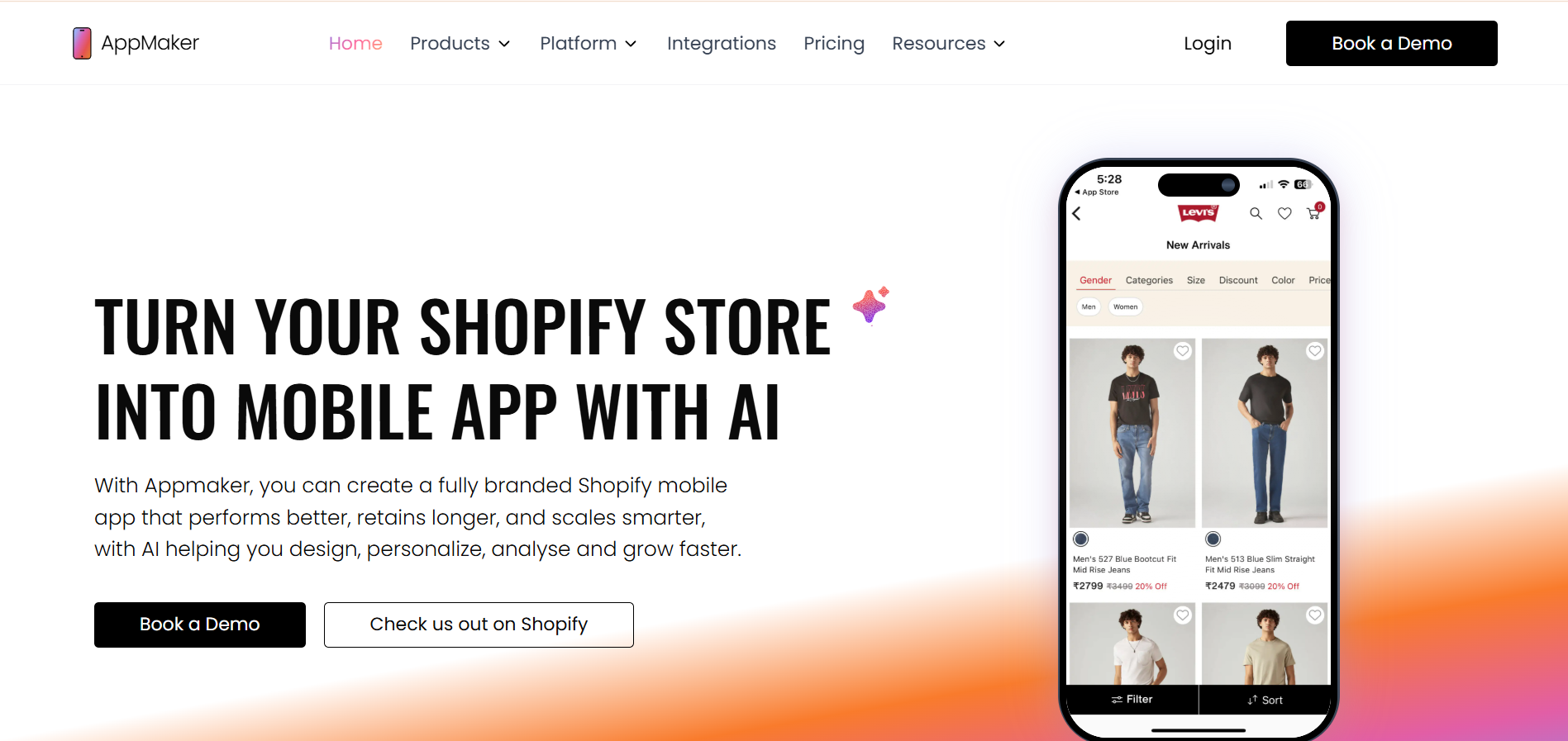
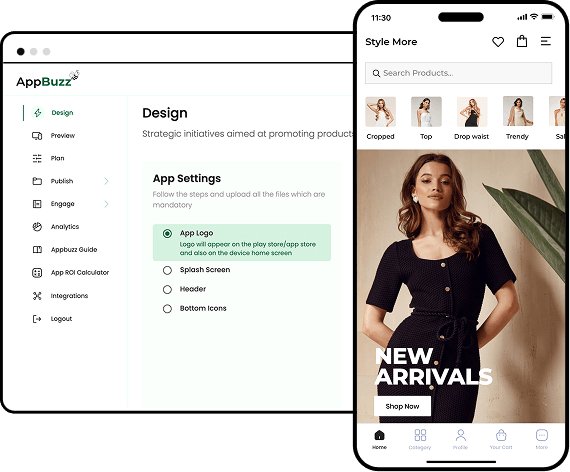
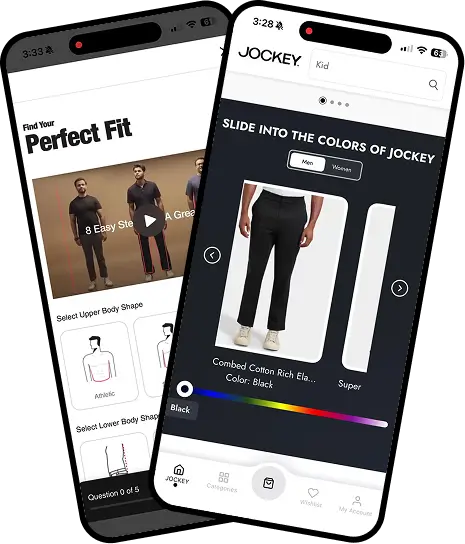
While some platforms focus mainly on launching an app quickly, scaling ecommerce brands often need deeper control over personalization and experience. AppMaker is built for Shopify businesses that want a native mobile app that adapts continuously to merchandising, campaigns, and customer behavior.
Instead of fixed templates, AppMaker lets you shape layouts, navigation, and UI around how your brand sells and engages customers, turning mobile into a long-term revenue channel.
Key Advantages
- Full control over layouts, navigation, and UI instead of template restrictions.
- Designed for brands treating mobile as a growth and retention channel, not just a website extension.
- Brands using AppMaker have reported conversion rates increasing up to 4x and repeat purchases improving by as much as 70%.
- Supports 160+ integrations, connecting marketing, analytics, loyalty, and operational tools without custom engineering.
Platform Comparison Overview
Pros:
- Deep customization beyond templates.
- Supports experimentation through reusable components and conditional layouts.
- Strong retention capabilities through advanced push notifications.
Considerations:
- Designed primarily for scaling ecommerce brands rather than hobby projects.
- Requires a clearer mobile strategy to fully benefit from customization flexibility.
Pricing Starting Point:
Tiered plans aligned with growth stages:
- Growth: ~$599/month + transaction component.
- Essential: ~$999/month + reduced transaction component.
- Enterprise: Custom pricing with expanded AI and Studio access.
Why Choose AppMaker?
You gain greater ownership over design, personalization, and iteration. Instead of adapting your brand to a template, the platform adapts to your workflows and growth strategy.
Best Fit Business Type
Scaling Shopify brands ($1M–$10M revenue) that want long-term flexibility, experimentation capability, and operational ownership over their mobile channel.
Also Read: Appmaker- Best GoodBarber Alternative
2. Shopney
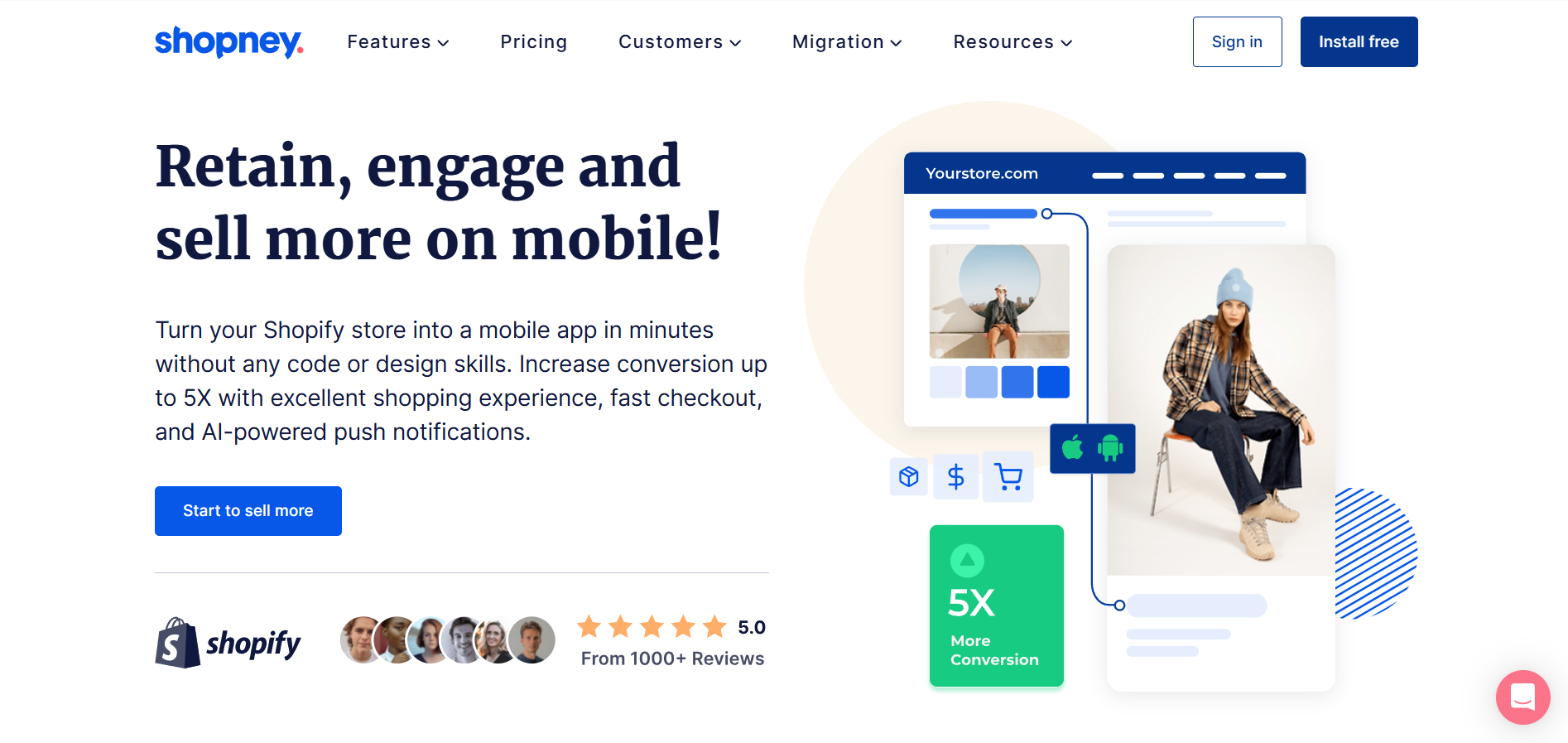
If your store runs on Shopify and your goal is to improve mobile conversions through built-in marketing tools, Shopney is a strong option among GoodBarber alternatives. The platform focuses on ecommerce engagement, helping you manage promotions, notifications, and merchandising directly from your Shopify workflow while extending your store into a native mobile app.
Key Features:
Shopney emphasizes conversion and retention through ecommerce-focused capabilities:
- Real-time Shopify sync for products, orders, and customers.
- Unlimited push notifications with abandoned cart and back-in-stock alerts.
- Loyalty, subscription, and AI push notification integrations.
- Multi-language and multi-currency support.
- Integrations with tools like Klaviyo, Rebuy, and Nosto.
Pros:
- Built specifically for Shopify operations.
- No sales commissions or long-term contracts.
- Strong marketing automation and merchandising tools.
Considerations:
- Primarily suited for ecommerce apps.
- Customization depends on available design elements per plan.
Pricing Starting Point
- Silver: $149/month.
- Gold: $299/month.
- Platinum: $599/month.
- Enterprise: starting at $1299/month.
Why Choose Shopney?
You get Shopify-native marketing and merchandising tools designed to increase engagement and repeat purchases.
Best Fit Business Type: Shopify brands optimizing mobile conversion quickly.
3. MobiLoud
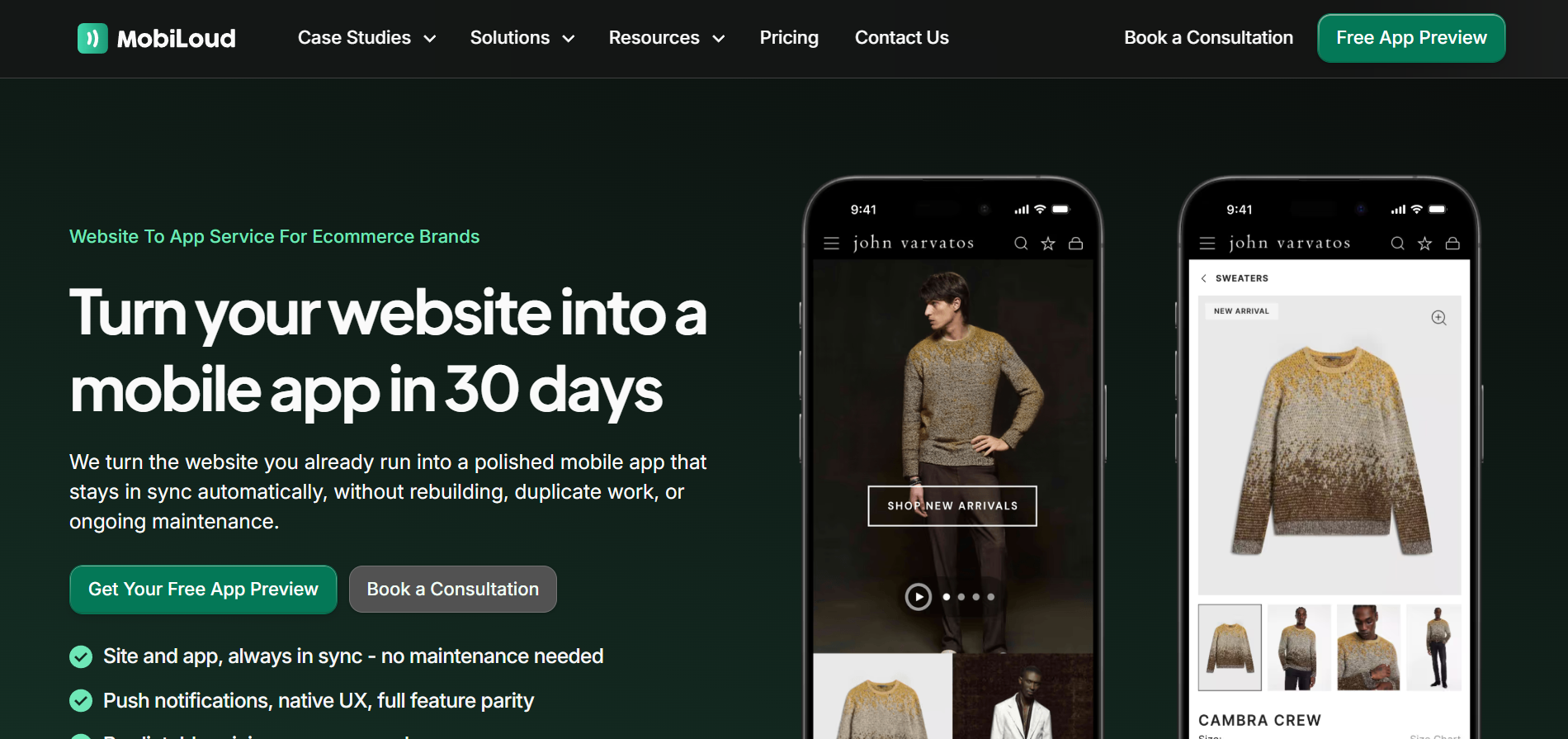
If you want to turn your existing website into a mobile app without managing development internally, MobiLoud offers a fully managed approach among GoodBarber alternatives. The platform focuses on outsourcing technical setup and maintenance so you can launch an app while continuing to operate your current website workflows.
Key Features:
MobiLoud emphasizes convenience through managed deployment:
- Converts existing websites into native iOS and Android apps.
- Done-for-you setup, publishing, maintenance, and updates.
- Engagement automation with push notifications and analytics integrations.
Pros:
- Managed service with minimal internal effort required.
- Fast launch without rebuilding your backend.
Cons:
- Higher cost compared to self-managed builders.
- Webview-based architecture limits deep customization.
Pricing:
- Growth: $799/month.
- Corporate: Starting at $1,499/month.
Why Choose MobiLoud?
You gain a managed service model that reduces operational workload, making mobile expansion simpler if you prefer outsourcing over platform ownership.
Best Fit Business Type: Established ecommerce brands prioritizing convenience over customization.
Also Read: 13 Best MobiLoud Alternatives for Shopify Mobile Apps in 2026
4. Fuego.io
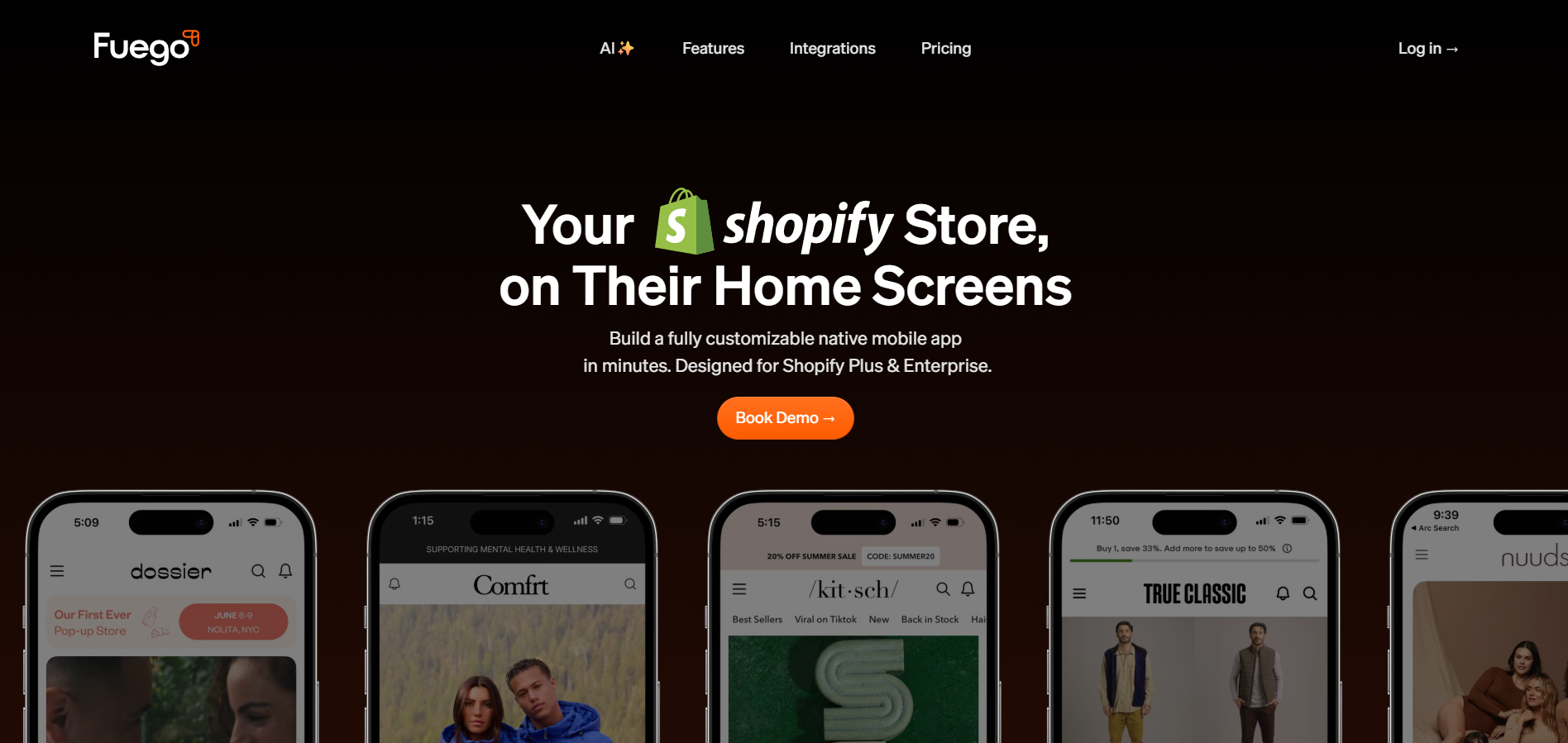
If your ecommerce strategy is moving toward headless commerce, Fuego.io positions itself differently from traditional app builders among GoodBarber alternatives. Instead of relying on templates, it connects directly to your commerce backend through APIs, allowing your mobile app to function as a performance-focused storefront aligned with modern composable architecture.
You maintain stronger control over storefront behavior while supporting advanced personalization and multi-store operations as your business expands.
Key Features:Fuego.io focuses on modular commerce and scalability:
- Native iOS and Android apps built for headless commerce environments
- Deep linking, one-click checkout, and real-time analytics.
- Localization with currency and language support.
- Audience segmentation and AI agent personalization (Apa).
- A/B testing and custom React Native blocks for tailored experiences.
Pros:
- Supports headless Shopify and composable commerce setups.
- Built for high-performance storefront experiences.
- Advanced personalization and experimentation tools.
Considerations:
- Requires clearer technical planning compared to template builders.
- Best suited for structured ecommerce teams.
Pricing:
- Starter: $999/month.
- Enterprise: Custom pricing.
Why Choose Feugo.io?You gain architecture flexibility suited for brands, separating frontend experience from backend commerce systems.
Best Fit Business Type: Brands moving toward headless architecture.
5. Adalo
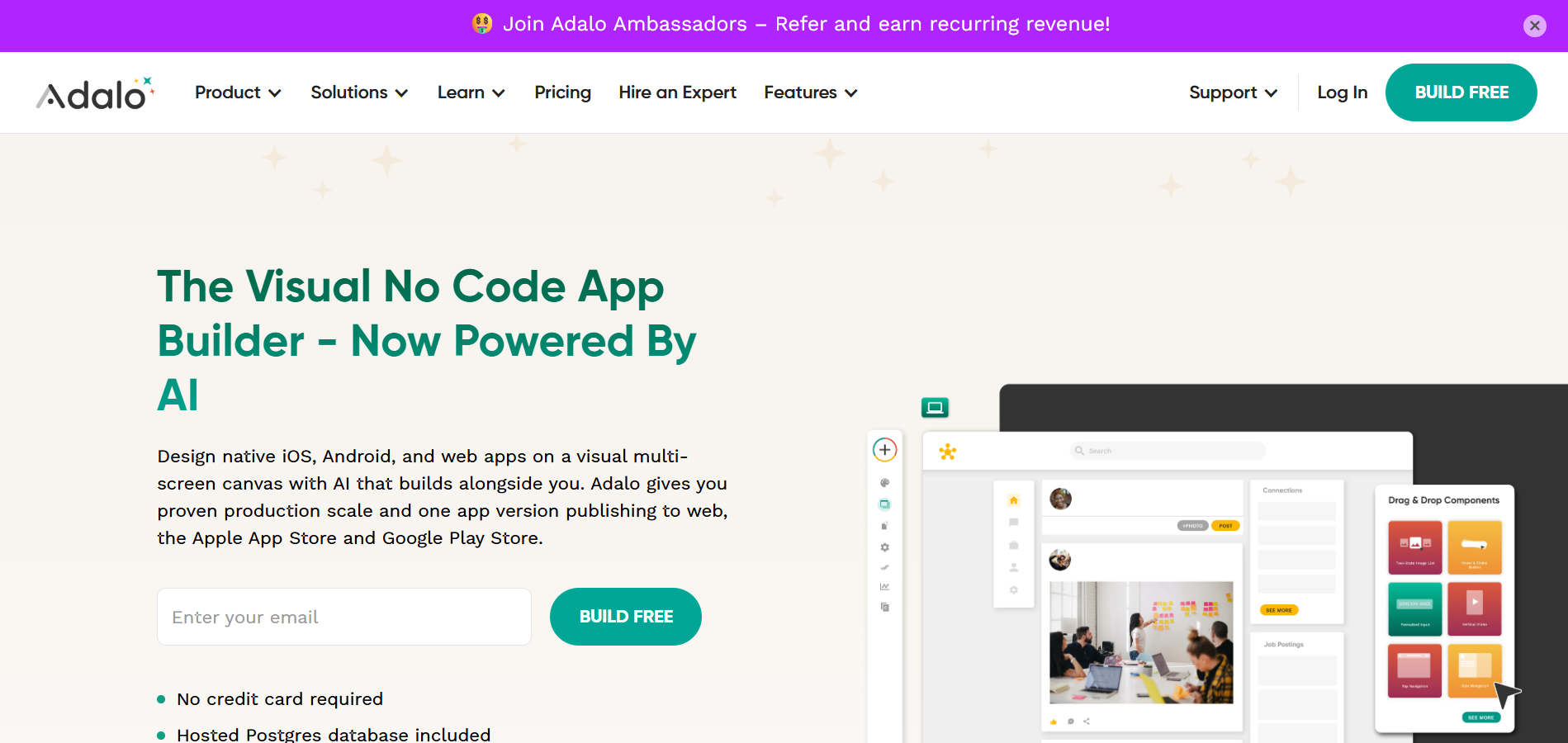
If you want to build a native mobile app without writing code, Adalo offers a flexible no-code builder among GoodBarber alternatives. It allows you to design apps visually while managing databases, workflows, and publishing from a single platform, making it approachable for early-stage product teams.
You can prototype quickly and publish native apps without needing a development team.
Key Features:Adalo emphasizes accessible app creation with native deployment:
- Visual drag-and-drop builder with built-in database collections.
- Native publishing to iOS and Android app stores.
- Custom domains, integrations, and geolocation support.
- API access and backend extensions through tools like Xano.
Pros:
- Beginner-friendly native app creation.
- Predictable pricing without usage billing.
- Suitable for rapid MVP development and testing ideas.
Considerations:
- Advanced customization becomes limited for complex scaling needs.
- Performance tuning may require additional backend planning.
Pricing:
- Free: $0/month.
- Starter: $36/month.
- Professional: $52/month.
- Team: $160/month.
- Business: $200/month.
Why Choose Adalo?You gain a flexible no-code environment suited for building and testing new app ideas quickly.
Best Fit Business Type: Startups and MVP builders.
6. FlutterFlow
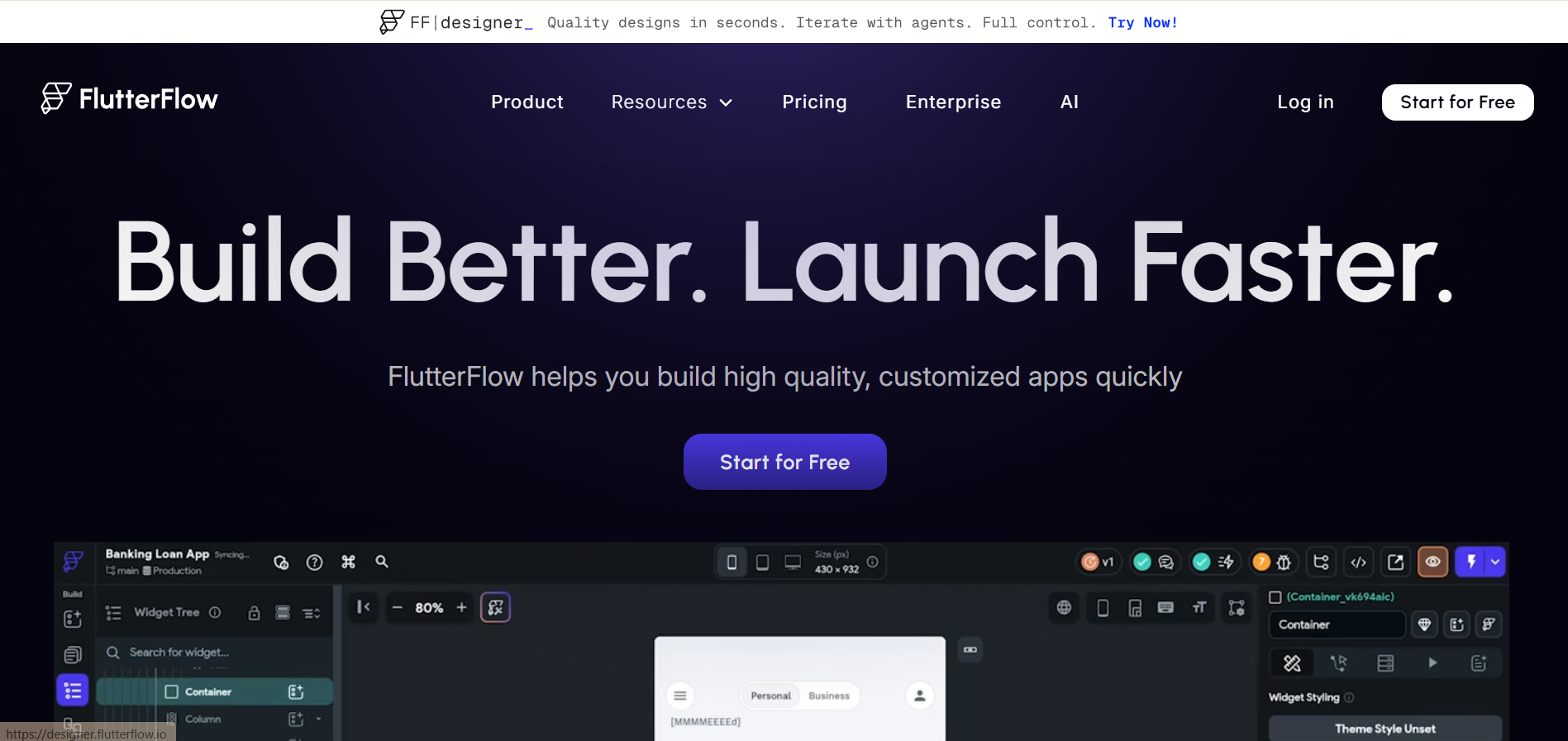
If you want visual development paired with strong code control, FlutterFlow stands out among GoodBarber alternatives. It combines a drag-and-drop builder with direct access to source code, allowing you to design visually while maintaining ownership over technical architecture as your app grows.
You can move from prototype to production within the same environment, which suits teams that want flexibility beyond template-based builders.
Key Features:FlutterFlow balances visual building with developer extensibility:
- Visual builder powered by Flutter with full source code export
- API integrations with Firebase and Supabase.
- GitHub integration, branching, and collaboration tools.
- Custom code injection and automated testing capabilities.
- One-click deployment to Apple App Store and Google Play.
Pros:
- Strong control over code and architecture.
- Native performance suitable for scaling apps.
- Supports collaborative development workflows.
Considerations:
- Requires technical familiarity compared to no-code tools.
- Initial setup decisions impact long-term scalability.
Pricing:
- Free: $0/month.
- Basic: ~$15/month.
- Growth: ~$32/month per seat.
- Business: ~$62/month per seat.
Why Choose FlutterFlow?You gain deeper customization and ownership over application logic rather than working within predefined structures.
Best Fit Business Type: Technical founders wanting code control.
7. Bravo Studio
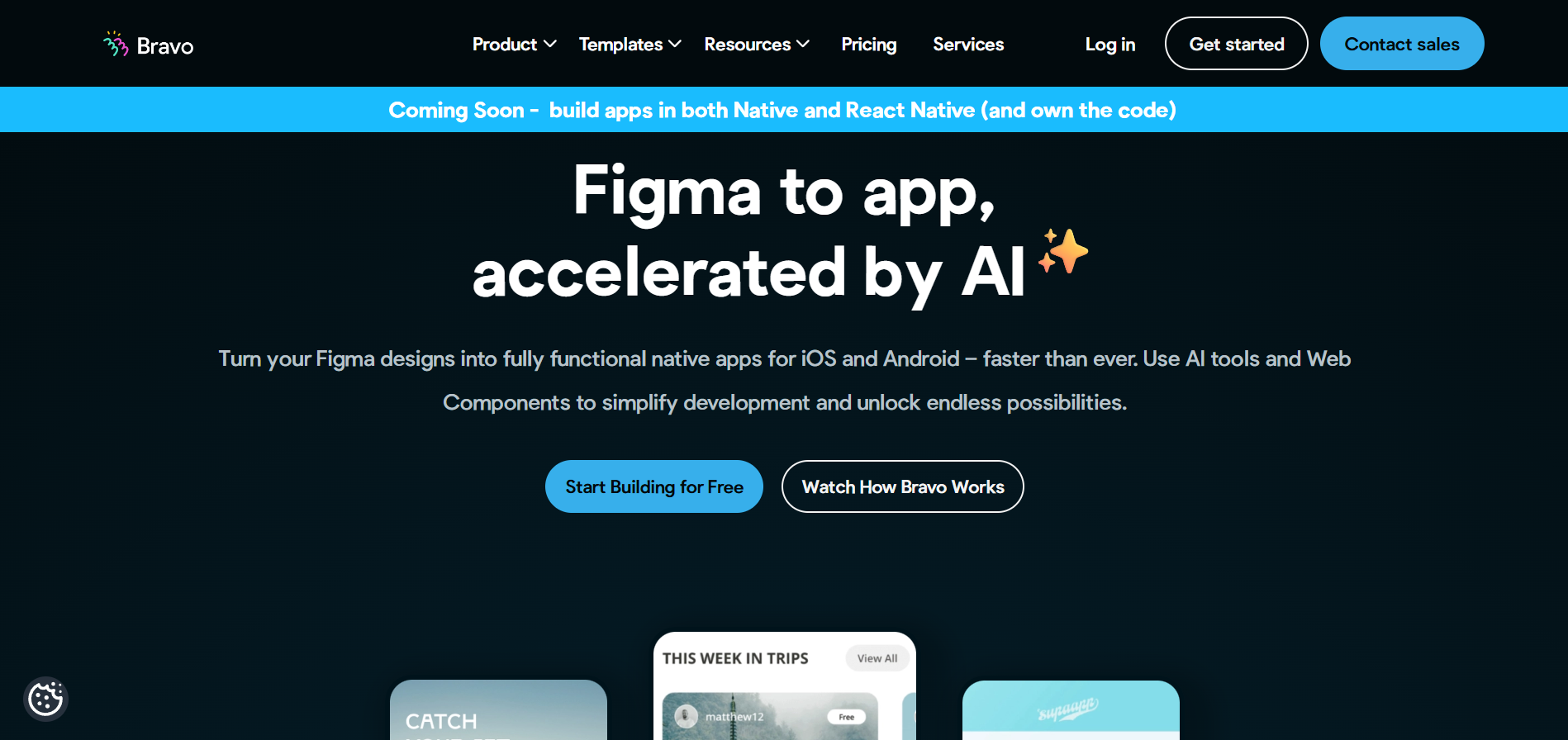
Bravo Studio takes a design-first approach among GoodBarber alternatives, allowing you to convert Figma designs directly into native mobile apps. Instead of adapting layouts to templates, your design system becomes the foundation of the app experience.
This approach works well when visual identity and UI precision are central to your mobile strategy.
Key Features:Bravo Studio focuses on transforming design workflows into production-ready apps:
- Direct Figma screen import into native mobile apps.
- Pixel-accurate UI control without template constraints.
- Native publishing with backend and API integrations.
- Add-ons for authentication, payments, and data connections.
Pros:
- High design flexibility and visual accuracy.
- Ideal for teams already working inside Figma.
- Native apps without requiring full development teams.
Considerations:
- Requires structured design workflows.
- Less suited for rapid experimentation without design resources.
Pricing:
- Starter: Free.
- Solo: $22/month.
Why Choose Bravio Studio?You maintain full visual control over layouts instead of adapting your brand experience to preset templates.
Best Fit Business Type: Design-led teams using Figma workflows.
8. Bubble
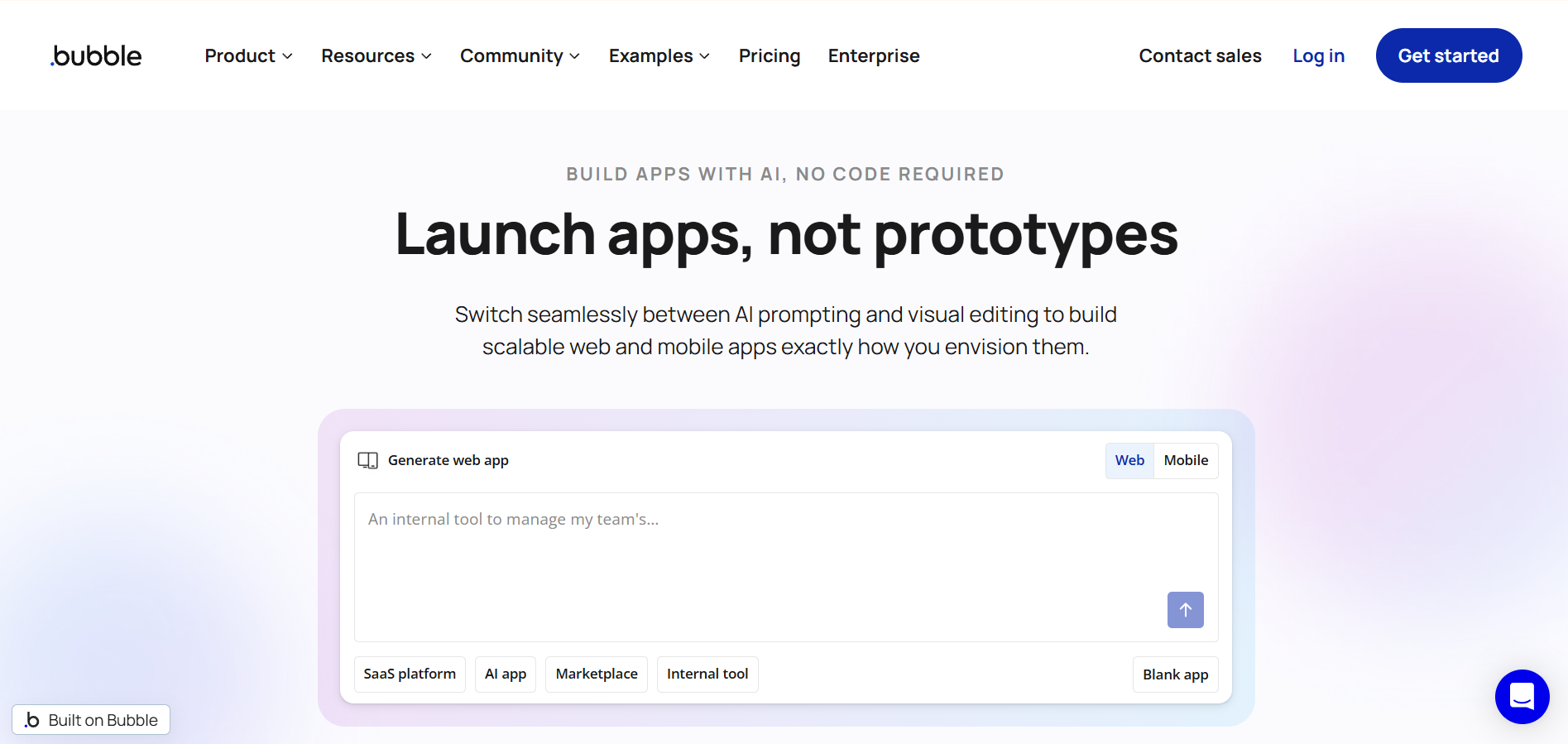
Bubble focuses on visual development for complex web and mobile applications, making it a different type of option among GoodBarber alternatives. Instead of prioritizing storefront apps, it allows you to build logic-heavy platforms where workflows, databases, and automation drive the product experience.
This works well if your app behaves more like software than a traditional ecommerce companion app.
Key Features:Bubble emphasizes application logic and backend control:
- Visual workflow builder with database and API connector.
- Native mobile editor with on-device testing.
- Version control, branching, and recurring workflows.
- Built-in hosting and debugging tools.
Pros:
- Strong flexibility for logic-heavy applications.
- Backend and frontend are managed in one platform.
- Suitable for marketplaces and SaaS products.
Considerations:
- Mobile apps function as wrappers rather than deeply customized native builds.
- Requires structured workflow planning as complexity increases.
Pricing:
- Free: $0/month.
- Starter: $59/month.
- Growth: $209/month.
- Team: $549/month.
- Enterprise: Custom pricing.
Why Choose Bubble?You gain deeper workflow and database control when your app depends more on logic than storefront presentation.
Best Fit Business Type: Marketplace or SaaS builders focused on workflow automation, complex user interactions, and database-driven application behavior.
Also Read: Top 8 Best Ecommerce Mobile App Builders in 2026
9. Softr
Softr takes a database-driven approach among GoodBarber alternatives, allowing you to build apps and portals directly from structured data sources like Airtable, Google Sheets, or SQL databases. It focuses on operational tools rather than consumer-facing mobile commerce apps.
You can quickly create dashboards, internal systems, or client portals without managing infrastructure.
Key Features:Softr centers app creation around connected data systems:
- Builds apps from Airtable, Google Sheets, Notion, and SQL databases.
- User permissions, workflows, and automation tools.
- API integrations and custom code support.
- Progressive web app publishing.
Pros:
- Very fast setup for structured business tools.
- Strong data permissions and workflow control.
- Suitable for internal operations and portals.
Considerations:
- Not designed for native mobile commerce apps.
- Custom UI flexibility remains limited compared to specialized builders.
Pricing:
- Free: $0/month.
- Basic: $49/month.
- Professional: $139/month.
- Business: $269/month.
- Enterprise: Custom pricing.
Why Choose Softr?You gain efficient database-driven app creation when your priority is workflows and data access rather than customer-facing ecommerce experiences.
Best Fit Business Type: Internal tools and portals.
10. Appy Pie
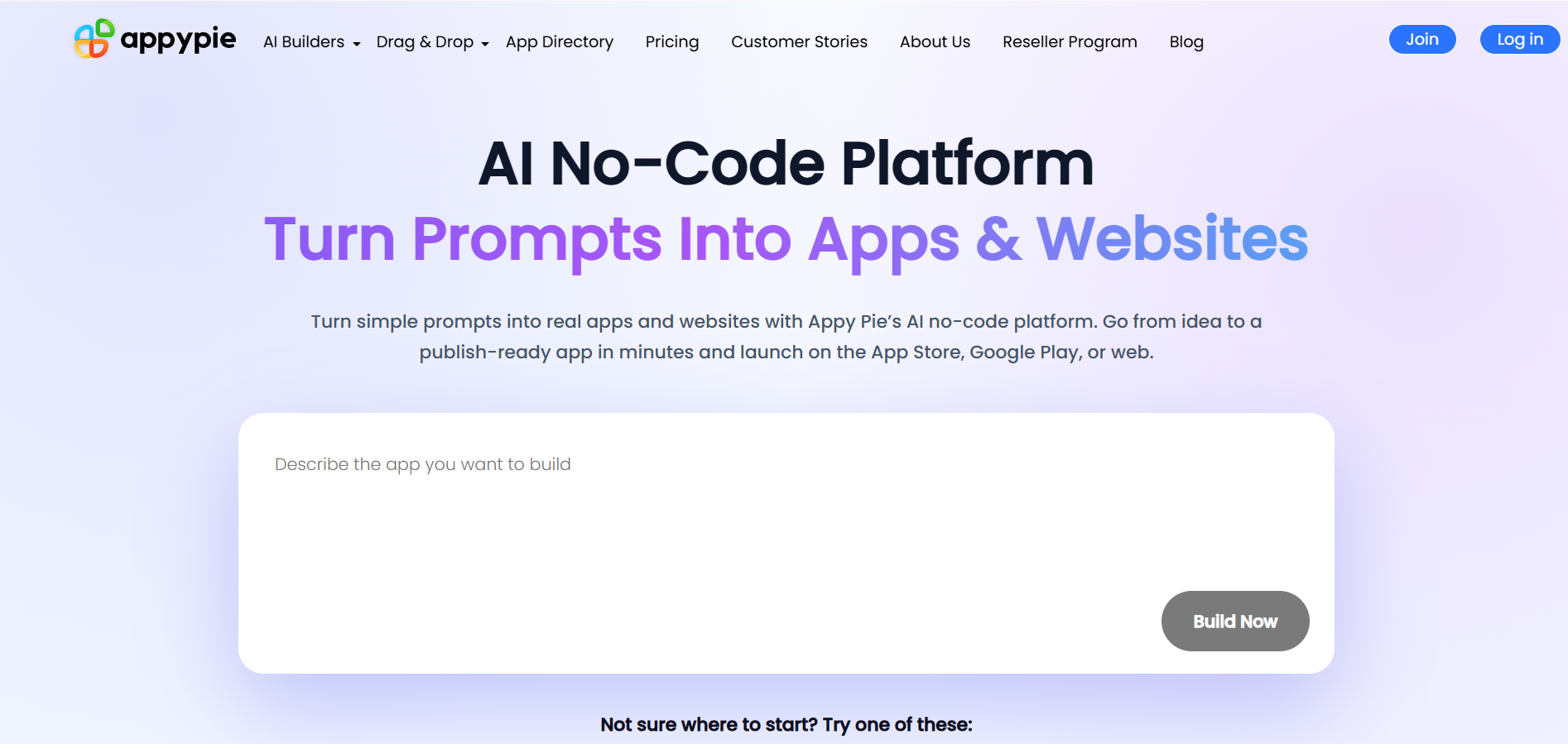
Appy Pie represents a simple entry point among GoodBarber alternatives, focusing on quick app creation for businesses that want a mobile presence without technical setup. The platform relies on guided builders and predefined structures to help you publish apps quickly.
This approach works best when speed and simplicity matter more than deep customization.
Key Features:Appy Pie emphasizes fast deployment and accessibility:
- Drag-and-drop mobile app builder.
- Built-in hosting and app distribution support.
- Push notifications and analytics integrations.
- White-label publishing options.
Pros:
- Beginner-friendly setup process.
- Fast launch timeline for basic apps.
- Built-in publishing assistance.
Considerations:
- Limited customization flexibility at scale.
- Performance and advanced workflows remain constrained.
Pricing:
- Basic: ~$84/year.
- Gold: ~$120/year.
- Platinum: ~$192/year.
Why Choose Appy Pie?You gain a faster path to launching a basic mobile app when advanced customization is not a priority.
Best Fit Business Type: Small businesses needing a quick launch.
11. Jotform Apps
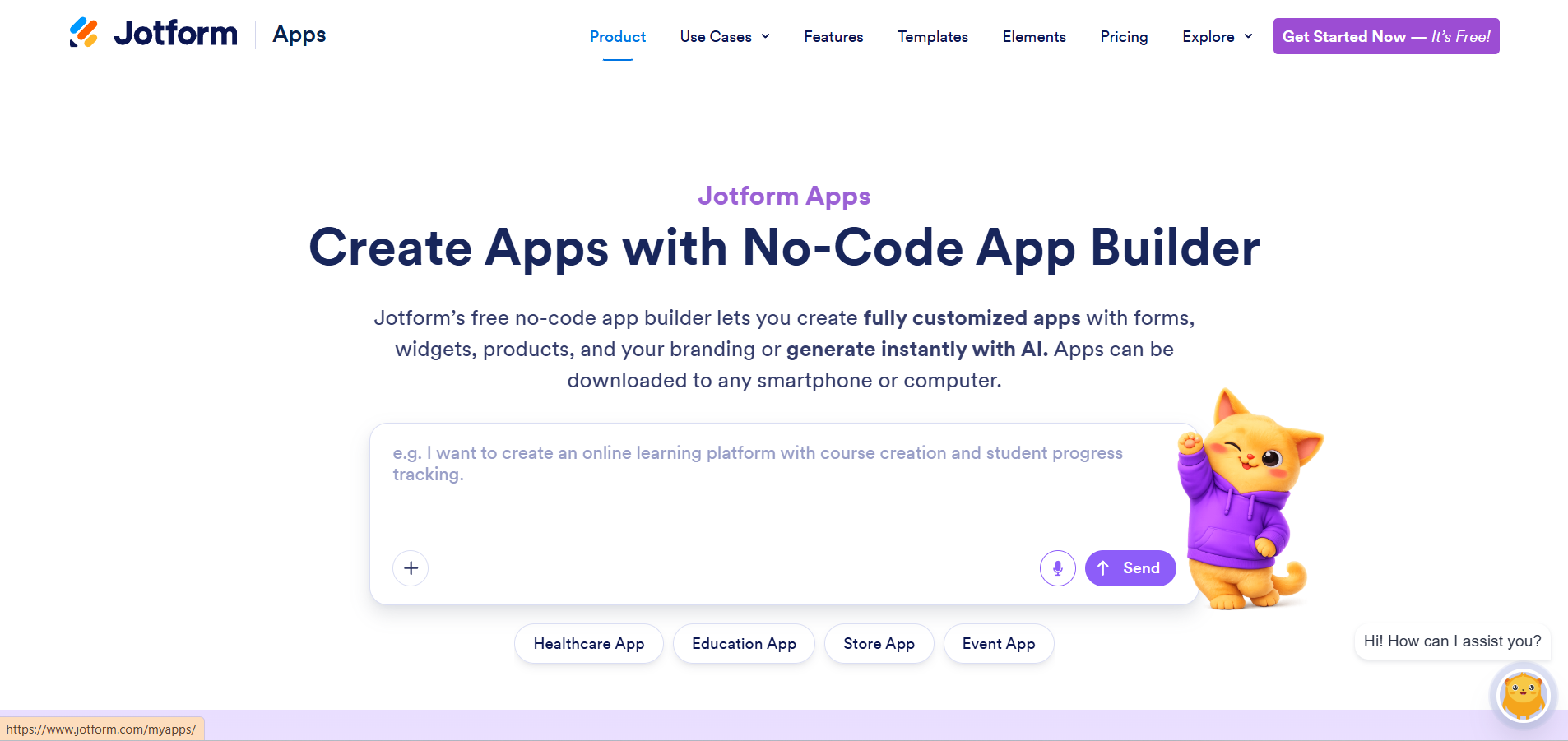
Jotform Apps focuses on turning forms and workflows into usable applications, making it a practical option among GoodBarber alternatives when your priority is operations rather than storefront experiences. You can convert data collection processes into structured internal apps without building interfaces from scratch.
This approach works well when teams need automation, approvals, or workflow tracking inside a mobile-friendly environment.
Key Features:Jotform Apps centers around workflow-driven app creation:
- Converts forms into mobile apps and internal portals.
- Workflow automation, approvals, and document signing.
- Offline data capture and submission management.
- Secure integrations with payment and CRM systems.
Pros:
- Extremely fast deployment for operational tools.
- Strong automation for internal workflows.
- Minimal technical setup required.
Considerations:
- Not designed for branded ecommerce apps.
- UI customization remains limited compared to app builders.
Pricing:
- Starter: $0/month.
- Bronze: $34/month.
- Silver: $39/month.
- Gold: $99/month.
- Enterprise: Custom pricing.
Why Choose Jotform Apps?You gain structured workflow automation when your app exists to manage operations instead of customer engagement.
Best Fit Business Type: Operational workflows and internal apps.
12. Squarespace Mobile Apps
Squarespace Mobile Apps extend existing Squarespace websites into app-like experiences, positioning them differently among GoodBarber alternatives. The platform works best when your content, memberships, or services already live inside the Squarespace ecosystem.
You maintain design consistency while adding a mobile layer without rebuilding your content infrastructure.
Key Features:Squarespace emphasizes content publishing and brand presentation:
- Website-to-app publishing tied to Squarespace CMS.
- Built-in memberships, scheduling, and commerce tools.
- Integrated payments and marketing tools.
- Centralized content management across web and mobile.
Pros:
- Seamless integration with existing Squarespace sites.
- Strong visual consistency and branding.
- Simple content updates without additional systems.
Considerations:
- Limited flexibility outside the Squarespace ecosystem.
- Less suited for advanced ecommerce customization.
Pricing:
- Basic: $16/month
- Core: $23/month
- Advanced: $52/month
Why Choose Squarespace Mobile Apps?You benefit from simplified content management if your business already relies on Squarespace for publishing and memberships.
Best Fit Business Type: Content creators already on Squarespace.
Also Read: 8 Must-Have Shopify Apps to Increase Sales in 2026
Seeing the options is helpful, but choosing the right one depends on how you plan to grow your mobile strategy.
How To Choose the Best GoodBarber Alternative: Key Considerations
Choosing among GoodBarber alternatives becomes easier when you stop comparing tools and start examining where your mobile strategy is headed. The platform you select will influence how your app grows, how quickly you can experiment, and how much ownership your team maintains over time. Instead of asking which builder has more features, focus on whether it supports the way you plan to operate and scale.
As you evaluate options, reflect on a few practical considerations that clarify long-term fit:
- How different should your app feel from your website?Some brands only need a mobile extension of their storefront. Others want unique layouts, personalized journeys, and experiences designed specifically for repeat customers.
- How much internal effort can your team realistically manage?Managed services reduce workload, while builder platforms give you direct control over updates, campaigns, and testing cycles.
- What will your app need one year from now?Features like subscriptions, loyalty programs, or segmented engagement often become priorities after launch, not before.
- Are you optimizing for speed today or flexibility later?Quick deployment helps validate mobile early, but long-term growth depends on how easily you can adjust structure and workflows.
- Will you stay in one market or expand globally?Multi-language support, regional storefronts, and localized engagement become important as reach increases.
- What role does the app play in your business model?Retention, loyalty, discovery, and repeat purchasing each require different levels of control.
- How much change can your budget absorb over time?Early affordability matters, but adaptability often determines long-term value.
Most growing brands ultimately look for balance. They want a fast launch without limiting future experimentation. Platforms that begin simple yet allow deeper customization later, such as AppMaker, tend to align naturally with that direction.
Also Read: Top 10 Mobile Apps for E-commerce Success in 2026
Conclusion
Choosing among GoodBarber alternatives becomes clearer when you focus on where your mobile strategy is headed, not just what works right now. As your app grows into a core retention and revenue channel, customization, ownership, and scalability begin to matter more than convenience alone. The right platform should support experimentation, adapt to changing customer expectations, and give you lasting control over your experience. If you want a solution that supports both immediate launch and long-term growth, AppMaker provides the flexibility many scaling brands seek.
Ready to take the next step? Contact us to explore how AppMaker can help you build a mobile app that truly reflects your brand.
FAQs
Q: How do ecommerce brands evaluate mobile app ROI beyond installs and downloads?A: You should track session depth, repeat purchase frequency, and customer lifetime value influenced by in-app engagement. Measuring campaign-driven revenue helps connect mobile activity directly to business outcomes.
Q: Can a mobile app support personalized merchandising without constant manual updates?A: Yes, behavior-based automation can adjust product visibility based on browsing patterns and purchase signals. This reduces manual merchandising effort while keeping experiences relevant for returning users.
Q: How do mobile apps improve retention for subscription-based ecommerce models?A: Apps enable renewal reminders, exclusive member access, and frictionless reordering flows that encourage consistent engagement. Persistent login experiences also reduce drop-off during repeat purchases.
Q: What operational workflows should teams prepare before launching an ecommerce mobile app?A: You should define ownership for campaigns, notification planning, analytics monitoring, and release scheduling. Clear internal workflows help maintain consistent updates without disrupting daily operations.
Q: How can brands align mobile apps with omnichannel marketing strategies?A: Connecting email, SMS, and in-app messaging allows coordinated campaigns triggered by shared customer behavior data. This creates consistent journeys across marketing touchpoints without duplicating effort.
Q: When does a mobile app become more effective than a mobile website for customer engagement?A: Apps become stronger when repeat interactions matter, such as loyalty programs, personalized offers, or frequent product discovery. Persistent engagement tools encourage ongoing relationships instead of one-time visits.