






















Ever felt like repeat customers are getting harder to hold onto, even after spending more on ads, emails, and discounts?
Growth often hides a deeper problem. Acquisition keeps working, but repeat purchases don’t follow at the same pace. Costs rise, margins tighten, and retention starts depending too much on offers instead of real engagement.
The shift becomes clearer when looking at mobile behavior. Retail m-commerce sales in the United States crossed $577 billion in 2025 and are projected to reach around $840.5 billion by 2029. That kind of growth shows where customers are spending time, and where retention is increasingly won or lost.
Not all retention tools solve this shift in the same way. Some focus on messaging, others on loyalty, while newer approaches focus on creating direct, repeatable experiences.
In this article, a clear breakdown covers the best customer retention apps for Shopify, how they differ, and what actually helps drive repeat purchases at scale.
Quick Overview
- Most Shopify stores already use multiple apps, but retention still drops because each tool acts on separate moments, like rewards, emails, or subscriptions.
- Repeat revenue is highly concentrated, with just 21% of customers driving 44% of revenue and 46% of orders, showing that most users never become loyal buyers.
- Mobile behavior is now central to retention, with U.S. m-commerce crossing $577 billion in 2025, indicating where repeat engagement is increasingly happening.
- Tools like Smile.io, Omnisend, and Skio improve specific outcomes such as repeat incentives, cart recovery, or subscriptions, but each works on a different part of the journey.
- App-based retention changes how customers return, with mobile apps driving up to 5x higher retention and ~60% repeat purchase rate, making Appmaker a stronger long-term retention channel.
What is Customer Retention?
Customer retention refers to the ability of a Shopify store to keep customers coming back to make repeat purchases over time. It reflects how consistently a brand can maintain engagement, trust, and buying behavior beyond the first transaction. Strong retention indicates that customers find enough value in the experience to return without needing constant incentives.
Why Most Shopify Brands Struggle with Customer Retention?
Even with multiple tools in place, retention often plateaus because these tools operate in isolation rather than as a connected system. The issue isn’t tool availability; it’s how limited each tool is when expected to solve retention on its own.
Here are the core gaps that hold retention back even after investing in apps:
- Each tool solves only one layer of retention: Email tools handle communication, loyalty apps handle rewards, and review tools handle trust, but none create a continuous, unified customer journey across touchpoints.
- No shared data flow between retention apps: Customer behavior captured in one tool (like browsing or purchase intent) rarely informs another, leading to disconnected and repetitive engagement efforts.
- Delayed engagement instead of real-time interaction: Most tools trigger actions based on time delays (hours or days later), missing high-intent moments when customers are most likely to return or convert again.
- Retention is concentrated, not distributed: Only 21% of customers generate 44% of revenue and 46% of orders, showing most users never transition into repeat buyers.
- Limited control over how experiences are delivered: Most apps operate outside the core shopping experience, which means brands cannot shape how products, offers, or content appear when customers actually return.
- Revenue concentration in a small segment: A typical Shopify store sees just 21% of customers drive 44% of revenue and 46% of orders, highlighting how most users never convert into repeat buyers.
- Lack of built-in re-engagement environments: Without a persistent channel like a mobile app, retention tools rely on bringing users back manually rather than keeping them within a controlled, repeatable ecosystem.
- Underutilization of high-retention channels: Even with multiple tools in place, many brands overlook channels that naturally drive repeat behavior, such as mobile apps. For instance, a Mobileoud report found that it can increase retention up to 5x compared to websites, with nearly 60% of first-time app buyers returning for another purchase, yet it remains underused in most retention stacks.
These gaps don’t exist in isolation, and they reflect a broader shift in how customers interact with stores across devices and channels.
The Rise of Mobile Apps as a Retention Channel
Retention is steadily shifting toward environments where customers can return instantly without friction, rather than being pulled back through reminders. Mobile apps are becoming central to this shift because they combine accessibility, speed, and control within a single, owned experience.
Here’s why this shift is becoming hard to ignore:
- Customer behavior is already mobile-first: Appmaker study indicates nearly 9 out of 10 visitors shop through their mobile devices, which means retention strategies tied only to web experiences are missing where most engagement actually happens.
- Conversion rates are structurally higher inside apps: Mobile apps typically see 3–8% conversion rates, outperforming both mobile websites and desktops due to faster navigation, saved preferences, and reduced checkout friction.
- Re-engagement happens without dependency on external channels: Unlike email or SMS, apps allow brands to bring users back instantly through push notifications, without competing for attention in crowded inboxes.
- Customer journeys remain continuous, not session-based: Apps retain browsing history, preferences, and behavior, making each return feel like a continuation rather than a fresh start.
- Control over the experience stays with the brand: Layouts, recommendations, and interactions can be shaped dynamically, allowing for deeper personalization that typical retention tools cannot deliver on their own.
Once this shift becomes clear, the difference between tools that support retention and those that actually drive it starts to stand out.
13 Best Customer Retention Apps For Shopify 2026
Most Shopify stores don’t lack tools; they lack clarity on which ones actually influence repeat buying behavior versus just adding more campaigns. The real difference comes from choosing apps that directly impact how and when customers return, not just how often they are contacted.
Here are the top customer retention apps for Shopify, grouped by the specific retention outcome they help improve:
1. AppMaker
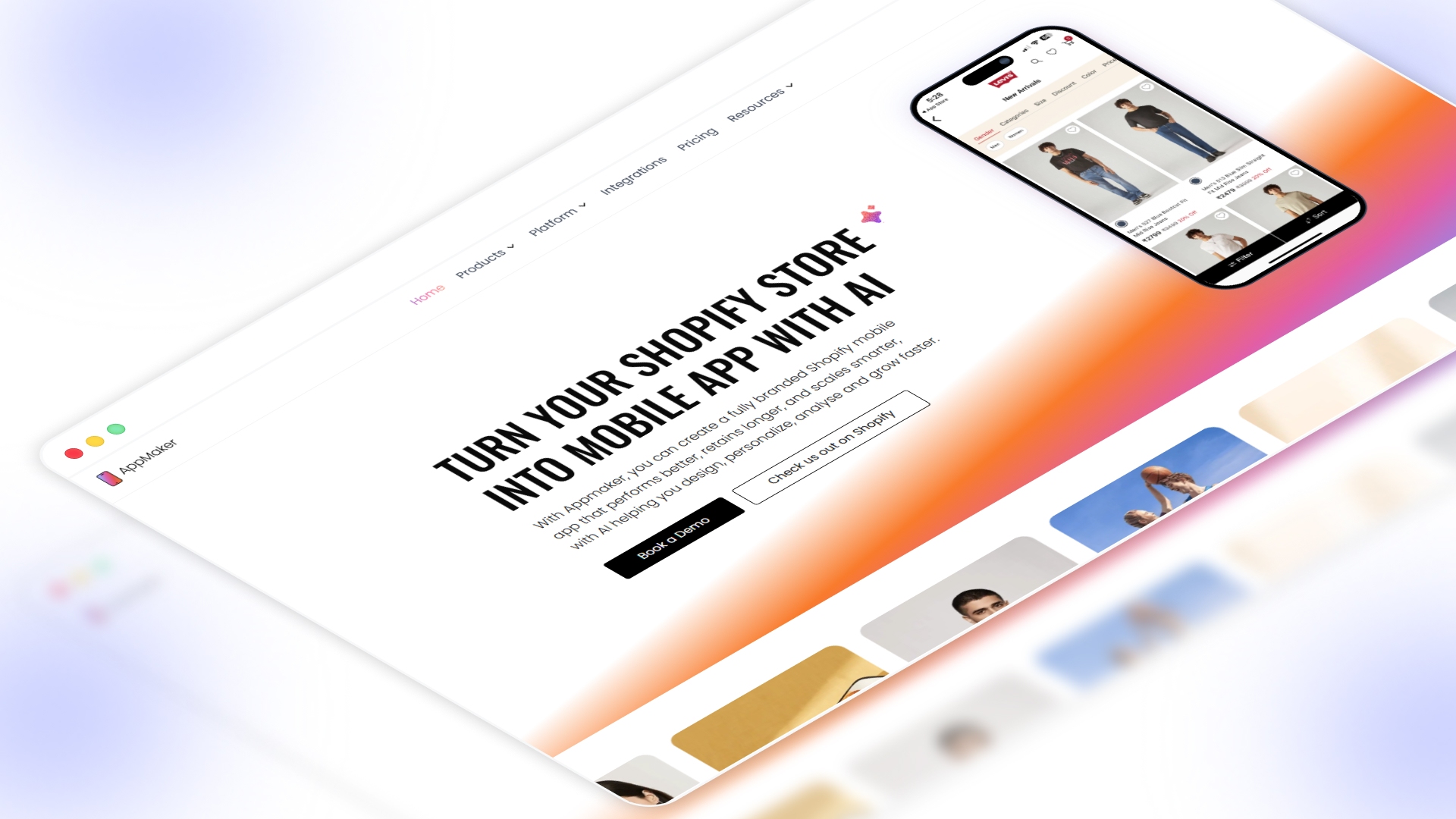
Best for: Shopify brands that want to improve retention through a branded mobile app experience
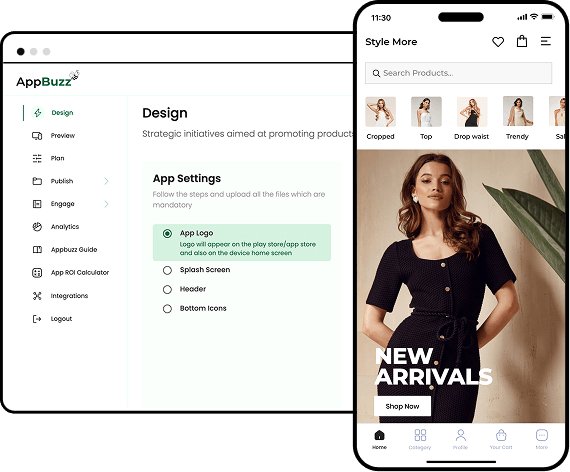
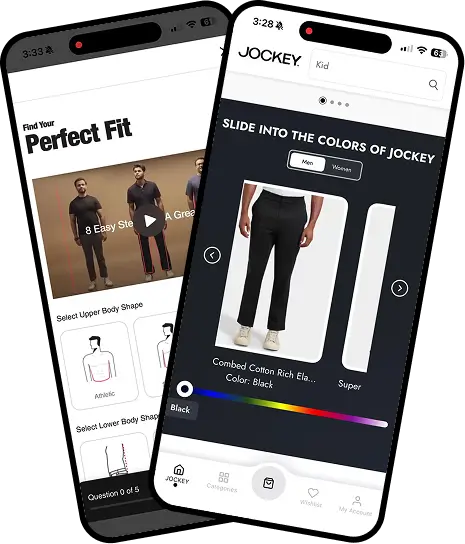
AppMaker helps Shopify brands turn their store into a native iOS and Android app built for repeat browsing, faster re-engagement, and more controlled customer journeys. Unlike loyalty or email-first tools, it works best for brands that want retention to happen inside an owned mobile channel with push notifications, personalized app experiences, and tighter control over merchandising and UX.
Key features that drive retention:
- Native iOS and Android apps with real-time Shopify sync: Ensures products, orders, and customer data stay updated instantly across store and app.
- Push notifications for lifecycle moments: Supports abandoned cart reminders, promotions, back-in-stock alerts, and custom campaigns to bring users back at the right time.
- Appmaker Studio with live preview: Enables drag-and-drop app building with instant visibility into how updates appear for customers.
- Conditional Blocks and Code Blocks: Allow personalized app experiences and advanced customizations for different customer segments and use cases.
- John AI for insights and decision-making: Provides real-time answers on sales, customer behavior, and trends, helping teams act faster on retention opportunities.
- Rubik's AI for merchandising and experience optimization: Dynamically adjusts product displays and app experiences to improve conversions and repeat interactions.
- Analytics, integrations, and developer access: Provides deeper control, performance tracking, and flexibility beyond standard template-based app builders.
- Growth Plan: Starts at $999/month + 1% of in-app sales
- Growth plan suits brands focused on building stronger retention channels through mobile apps
- Enterprise Plan: Starts at $2000/month + 1% of in-app sales
- Enterprise plan fits high-volume brands needing deeper customization, integrations, and dedicated support
Watch-outs: Better fit for brands that want a mobile-app retention layer, not merchants looking only for a lightweight loyalty or email add-on
2. Smile.io
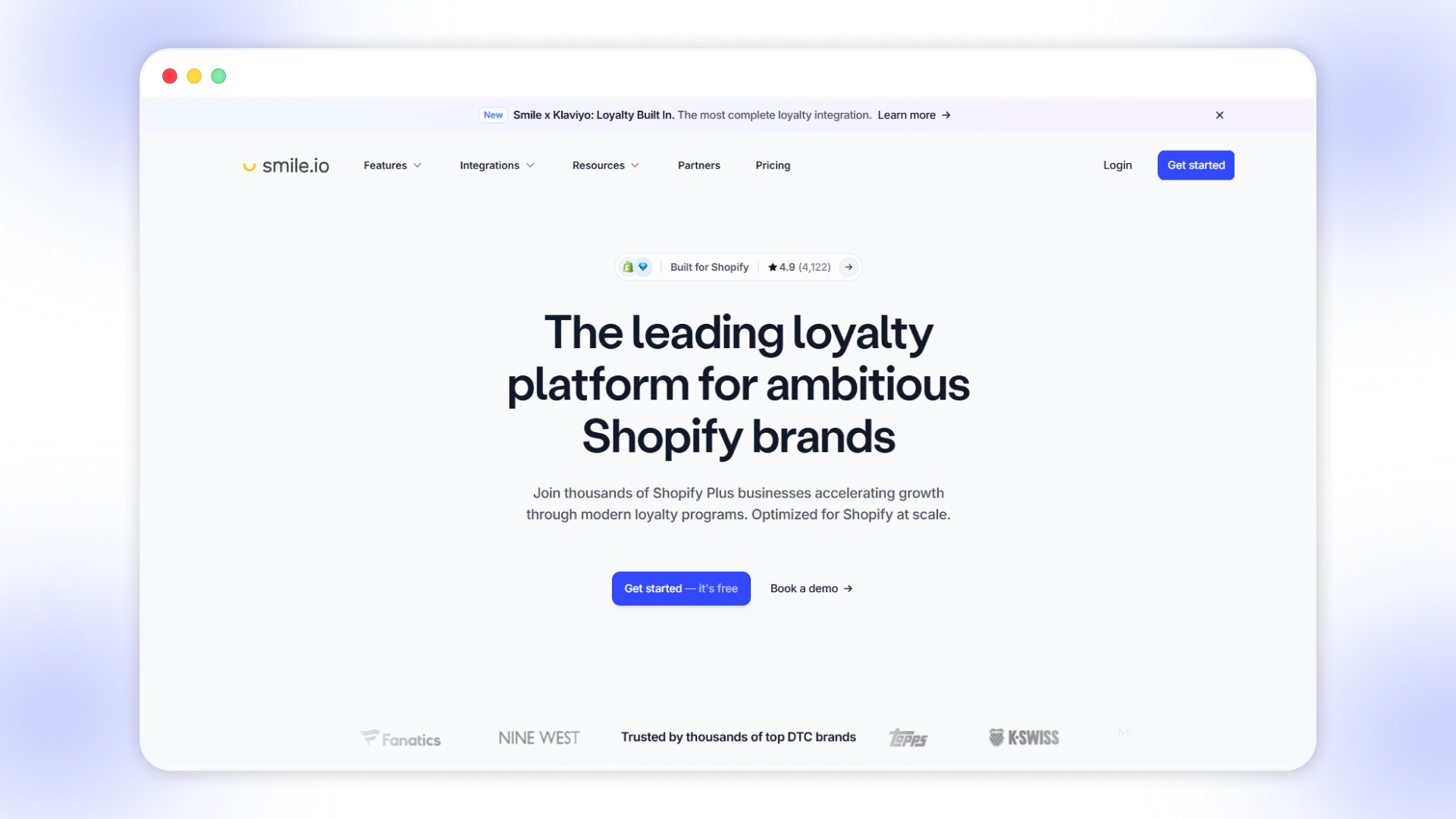
Best for: Shopify brands that want repeat purchases driven by points, VIP tiers, and referrals.
Smile.io helps Shopify brands increase repeat purchases by building structured loyalty programs around points, referrals, and VIP tiers. It is designed for growing brands that want to improve purchase frequency and customer lifetime value.
Key features that drive retention:
- Loyalty Hub and on-site integration: Let customers track and redeem rewards directly within the shopping experience.
- VIP tiers and referrals: Encourage repeat buying and customer advocacy through tiered rewards and referral incentives.
- Checkout and performance insights: Integrates loyalty into checkout and provides analytics to track impact on repeat purchases.
Smile.io Pricing:
- Starts at $79/month
- Growth plan at $199/month
- Plus plan at $999/month
- Enterprise: Custom pricing
Watchouts: Less useful if the retention strategy needs deeper personalization or a broader stack.
While loyalty tools drive repeat purchases through incentives, platforms like Appmaker.xyz take it further by turning your store into a mobile app, creating a direct, high-converting channel where retention and conversion happen together.
3. LoyaltyLion
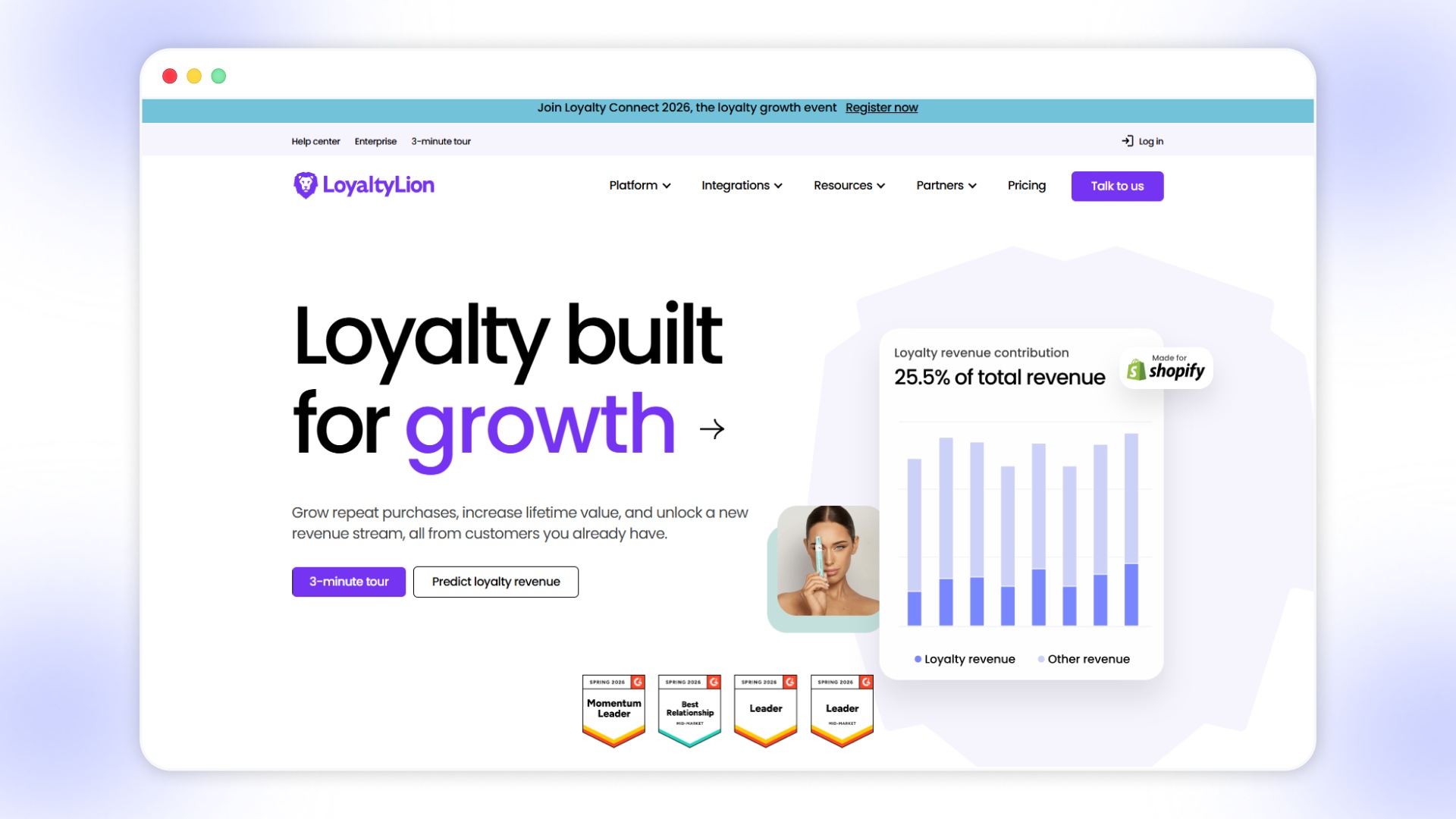
Best for: Brands that want a more advanced loyalty setup with VIP tiers and stronger control over rewards.
LoyaltyLion helps Shopify brands build long-term customer relationships through structured loyalty programs and data-driven engagement. It is designed for brands that want more control over retention beyond basic rewards.
Key features that drive retention:
- Custom loyalty programs with VIP tiers: Encourage repeat purchases through tiered rewards and exclusive benefits.
- Integration with tools like Klaviyo: Uses loyalty data to power more targeted email and SMS campaigns.
- Automated workflows and AI-driven rewards: Triggers offers and incentives based on customer behavior to increase repeat conversions.
Pricing:
- Starts at $199/month
- Advanced and Plus plans: Custom pricing
Watchouts: Can feel heavier than simpler loyalty tools for stores that only need basic rewards.
4. Easy Subscriptions
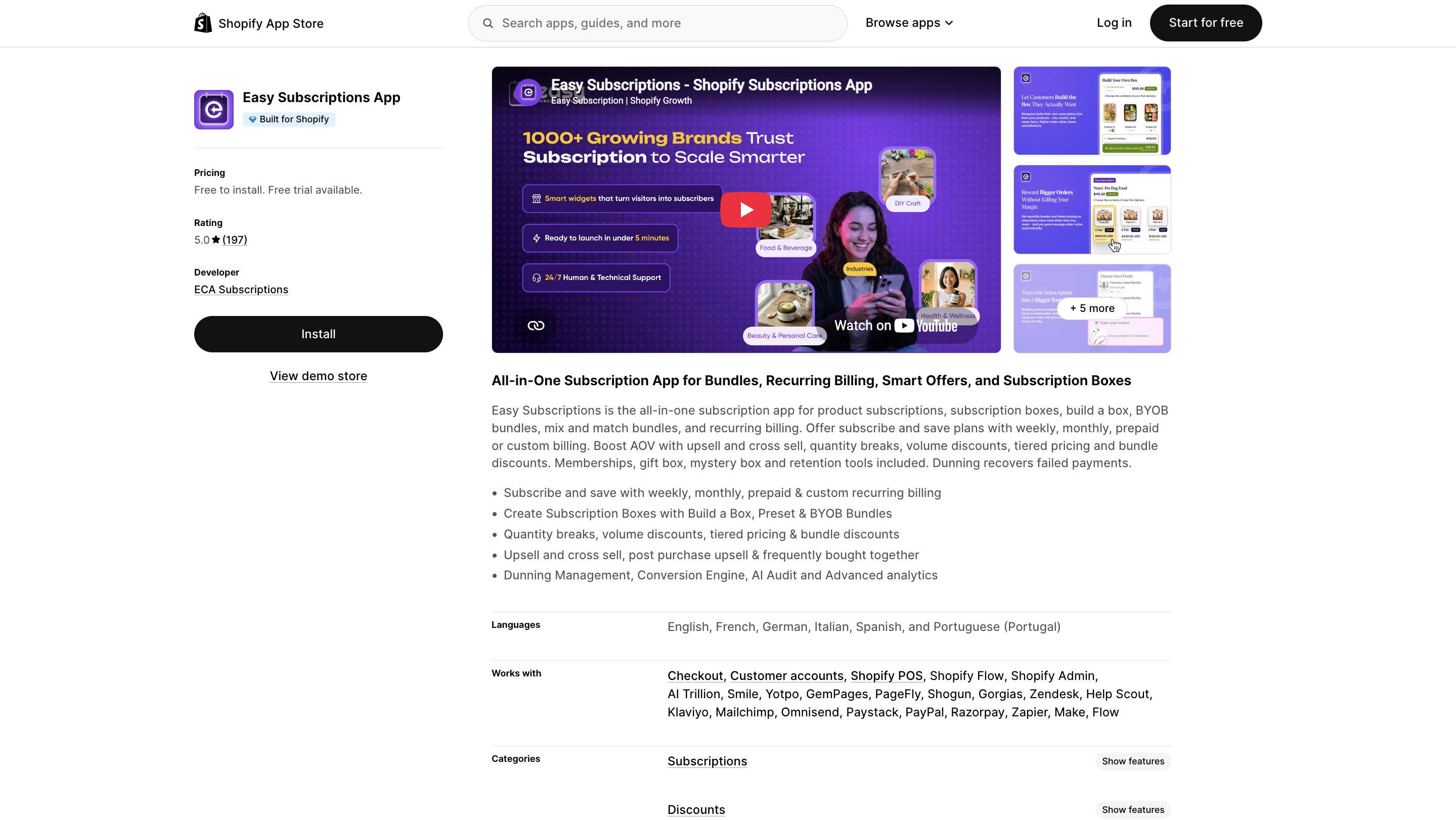
Best for: Coffee, meal, and pet brands, along with scaling D2C Shopify brands that need advanced subscription setups with bundling, upsells, and full customer control.
Easy Subscriptions is a powerful Shopify subscription app designed for growing brands that need customizable subscription models, advanced bundling capabilities, and strong retention tooling without transaction fees.
Key features that drive retention:
- Customizable subscription plans and rotating series: Supports weekly, monthly, and custom cadences, along with recurring, prepaid, and subscription-series models where products rotate over time.
- Bundling, upsells, and tiered discounts: Offers fixed bundles, build-your-own-box options, quantity-based tiered pricing, upsells, cross-sells, and gift or loyalty incentives to increase order value.
- Self-service portal and smart retention tools: Lets customers pause, skip, swap, or reschedule subscriptions on their own, while smart dunning and payment retry logic reduce involuntary churn.
- Analytics, bulk management, and easy migration: Provides subscription reporting, bulk management tools, and simple migration from other subscription apps, with integrations into Klaviyo, Omnisend, Mailchimp, and more.
Pricing:
- Starter: Free to install
- Growth: $39/month
- Scale: $99/month
- Enterprise: $399/month
Watchouts: Best suited for brands ready to run advanced subscription programs (bundling, tiered offers, multi-channel integrations) rather than merchants who just need a bare-bones "subscribe and save" toggle.
5. Rivo
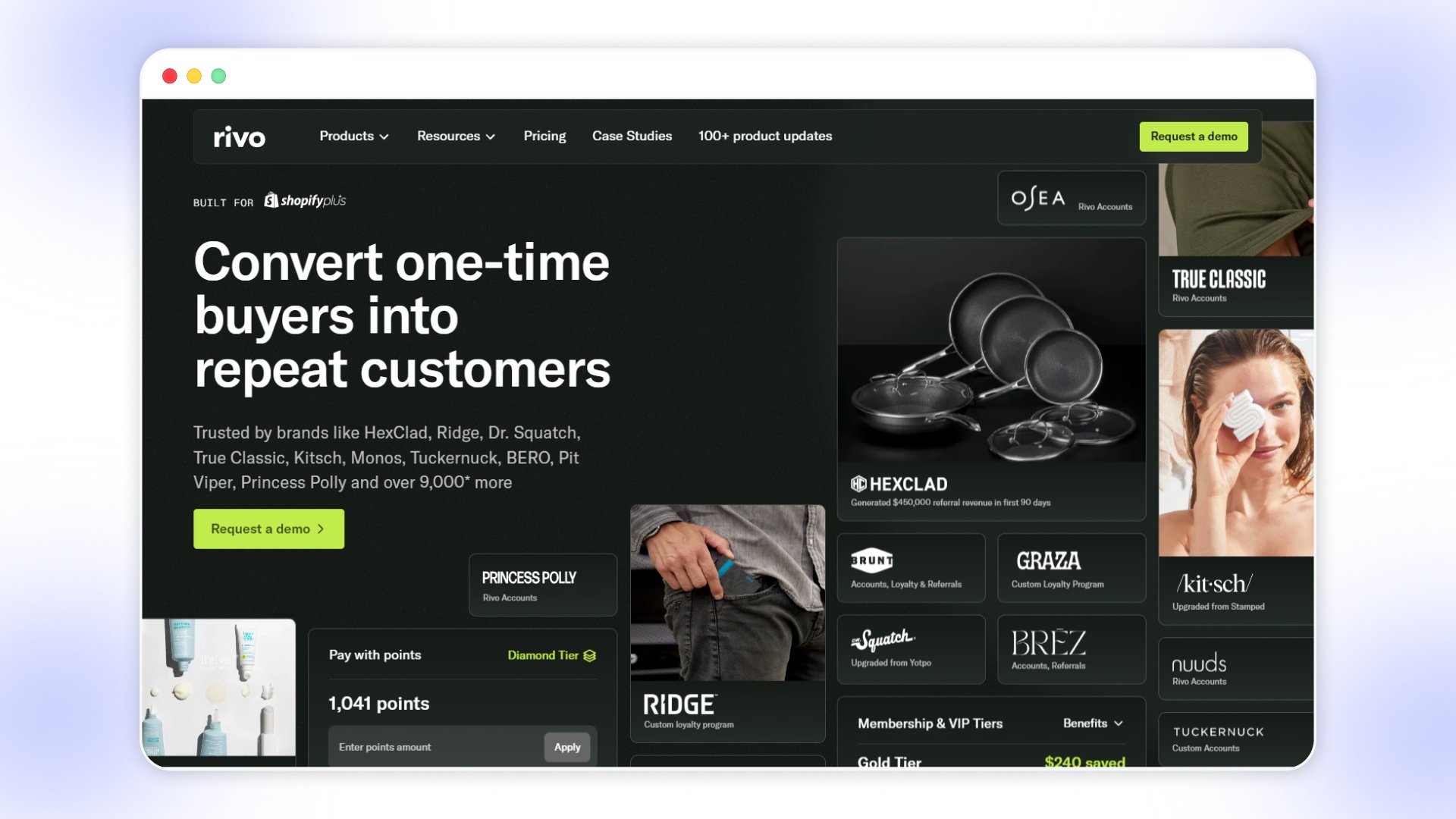
Best for: Shopify Plus brands that want loyalty, referrals, memberships, and customer accounts in one system.
Rivo is a retention-focused platform built for Shopify brands that want to unify loyalty, referrals, and customer accounts into one system. It focuses on embedding retention directly into the shopping experience rather than running it as a separate layer.
Key features that drive retention:
- Unified loyalty, referrals, and memberships: Combines multiple retention levers into one platform, making repeat engagement more consistent.
- Personalized customer accounts: Enhance logged-in experiences with saved preferences, wishlists, and behavior-driven interactions.
- On-site loyalty touchpoints and integrations: Embeds rewards, referrals, and incentives across the journey with 50+ integrations.
Pricing:
- Starts at $499/month (Accounts plan)
- Custom pricing available for full loyalty stack (Accounts, Loyalty, Referrals, Memberships)
Watchouts: Best suited to brands that can use a fuller retention stack, not just a single feature.
6. Growave
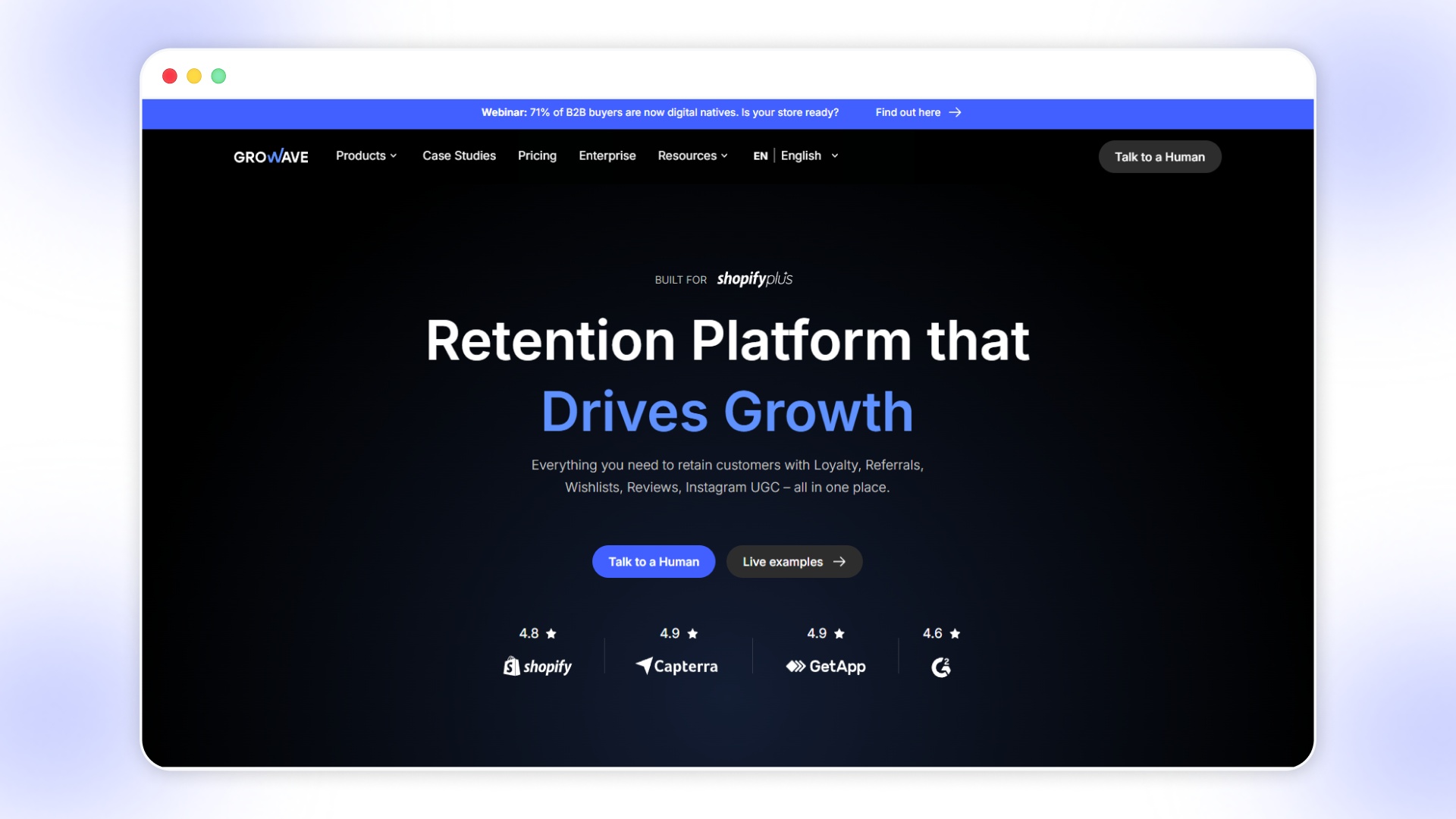
Best for: Brands that want loyalty, reviews, wishlists, and referrals in one retention platform.
Growave combines loyalty, reviews, referrals, and wishlists into a single platform, helping Shopify brands manage retention without stacking multiple apps. It is designed for brands that want to centralize retention efforts and reduce tool fragmentation.
Key features that drive retention:
- Loyalty, referrals, and VIP programs: Encourages repeat purchases through points, tiers, and referral incentives in one system.
- Reviews, UGC, and wishlists: Builds trust and keeps customers engaged between purchases through saved products and social proof.
- Integrations and automation: Works with tools like Klaviyo and Shopify POS to create connected, behavior-driven retention flows.
Pricing:
- Entry: $49/month
- Growth: $199/month
- Plus: $499/month
- Unlimited: $999/month
Watchouts: It works best when the team wants consolidation, not a single-purpose app.
7. Marsello
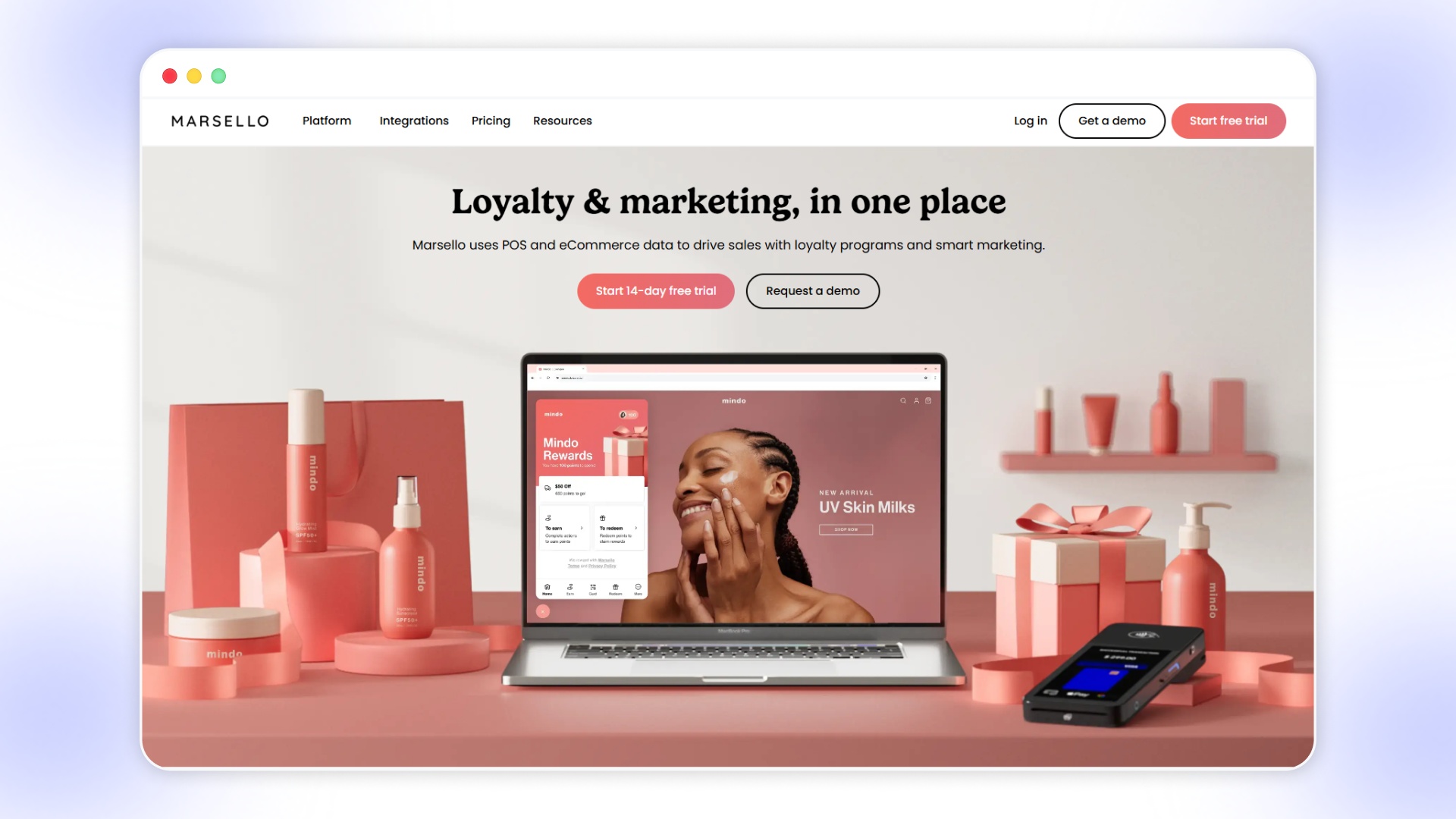
Best for: Brands that want loyalty plus email, SMS, and POS-connected retention in one place.
Marsello combines loyalty programs with email and SMS marketing to help Shopify brands drive repeat purchases across both online and in-store channels. It focuses on using customer data and automation to create consistent, omnichannel retention experiences.
Key features that drive retention:
- Points, referrals, and VIP tiers: Builds repeat purchase behavior through structured rewards and tier-based incentives.
- Email and SMS automation: Uses customer data to trigger personalized campaigns like win-back, post-purchase, and promotions.
- Omnichannel loyalty with POS integration: Syncs online and in-store interactions, allowing customers to earn and redeem rewards seamlessly.
Pricing:
- Starts at $60/month (Loyalty Launch)
- Advanced plan from $120/month
Watchouts: Better fit for omnichannel setups than stores focused only on online loyalty.
8. Appstle Subscriptions
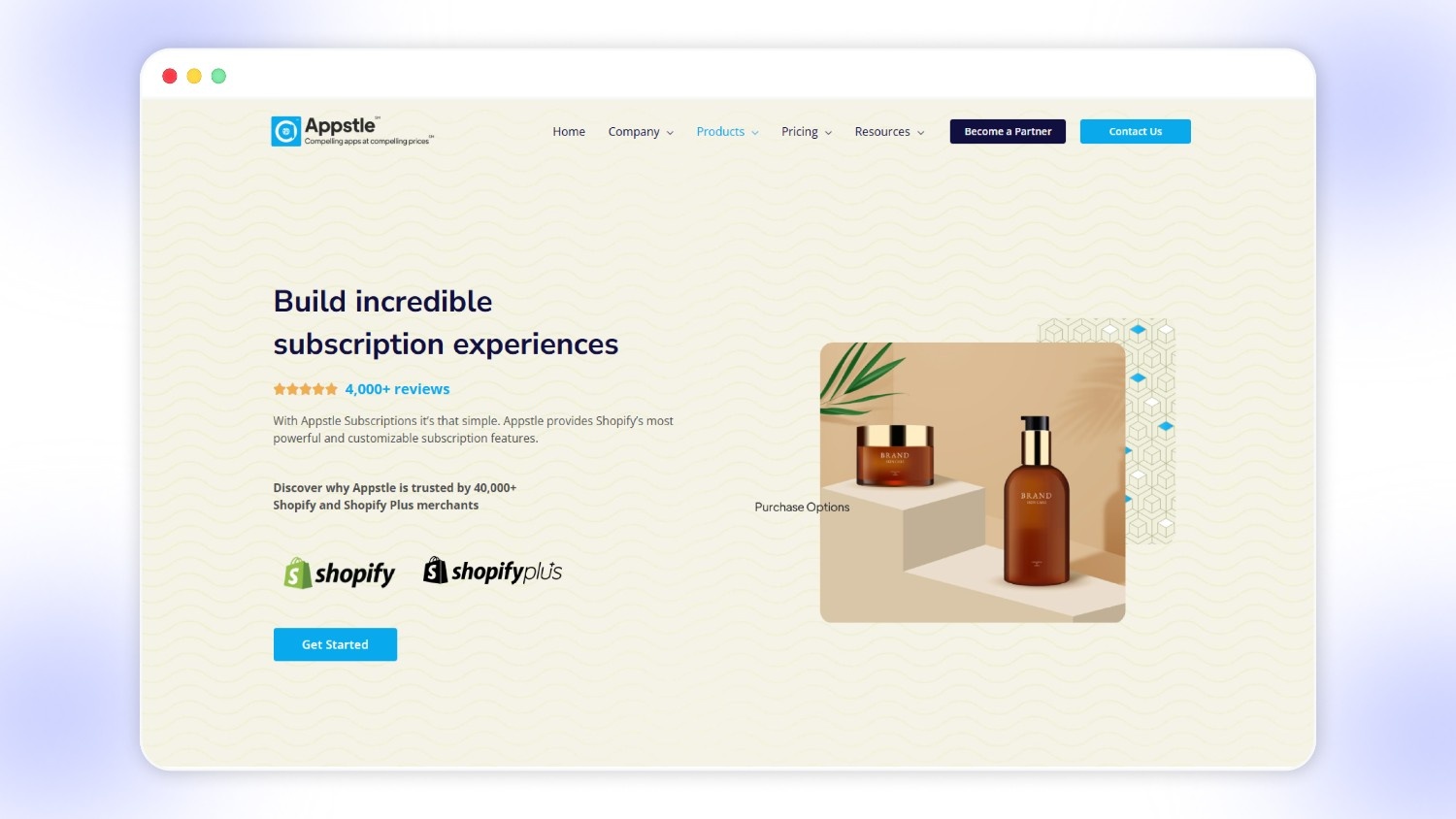
Best for: Brands selling replenishable or repeat-use products that need recurring orders.
Appstle Subscriptions helps Shopify brands drive retention by turning one-time purchases into predictable, recurring revenue through flexible subscription models. It is built for brands that rely on repeat buying behavior, especially in consumable or replenishable categories.
Key features that drive retention:
- Flexible subscription and billing models: Enable recurring orders, bundling, and “build-a-box” options to increase repeat purchase frequency.
- Customer self-management and loyalty features: Let customers manage subscriptions easily, improving long-term engagement and reducing churn.
- Automation and analytics: Provides insights and controls to optimize subscription performance and retention over time.
Pricing:
- Free plan available
- Paid plans start at $10/month
- Scales up to enterprise pricing based on subscription revenue
Watchouts: Not the right fit if the product does not naturally support subscriptions.
9. Skio
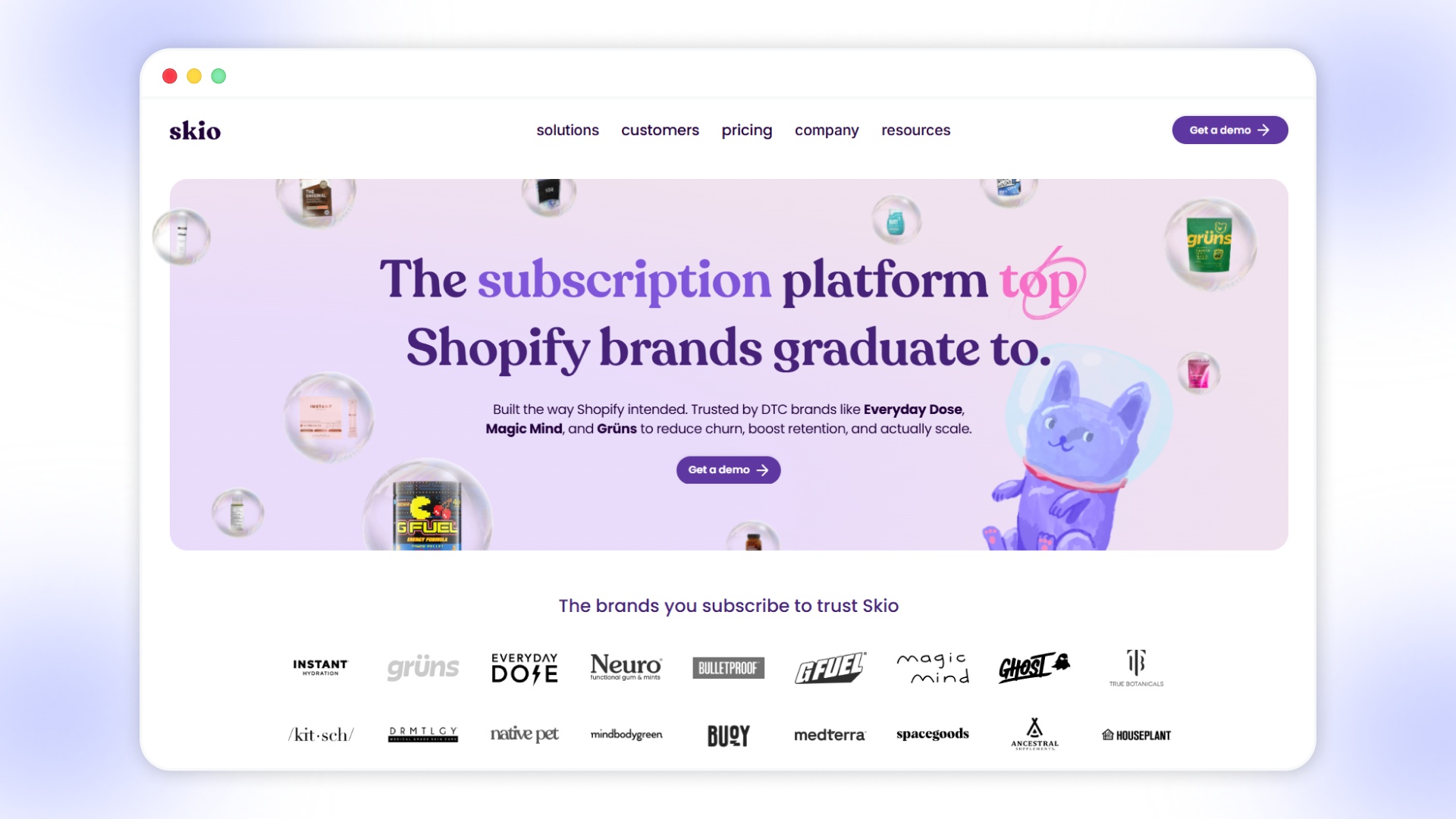
Best for: Subscription-first brands that want stronger control over churn, portals, and subscriber journeys.
Skio is a Shopify-native subscription platform designed to reduce churn and increase repeat purchases through flexible subscription experiences. It focuses on improving retention by giving customers more control and reducing friction across the subscription lifecycle.
Key features that drive retention:
- Flexible subscriptions and customer portal: Let customers skip, swap, pause, or modify orders easily, reducing cancellations.
- Churn reduction and payment recovery: Uses smart retries, cancel flows, and targeted offers to retain at-risk subscribers.
- Lifecycle automation and upsell journeys: Triggers offers, discounts, and product changes based on behavior to grow subscriber value over time.
Pricing:
- Scale plan: $499/month (annual) or $599/month (monthly) + transaction fees
- Enterprise: Custom pricing
Watchouts: Best when subscriptions are already a core part of revenue, not an add-on.
10. RetentionX
Best for: Brands that want customer intelligence, segmentation, and retention insights before acting.
RetentionX helps Shopify brands improve retention by turning customer data into actionable insights and automated workflows. It focuses on identifying high-value, at-risk, and repeat customers so brands can act before churn happens.
Key features that drive retention:
- Customer intelligence and segmentation: Tracks behavior, LTV, and cohorts to identify repeat buyers and churn risks.
- AI-driven automations and predictions: Uses predictive modeling to trigger actions like win-back campaigns and product recommendations.
- Marketing and merchandising intelligence: Optimizes campaigns and on-site experiences based on real customer data and attribution insights.
Pricing:
- Starter: $49/month
- Core: $149/month
- Growth: $249/month
Watchouts: It shows what is happening, but it does not drive retention by itself.
11. Fairing
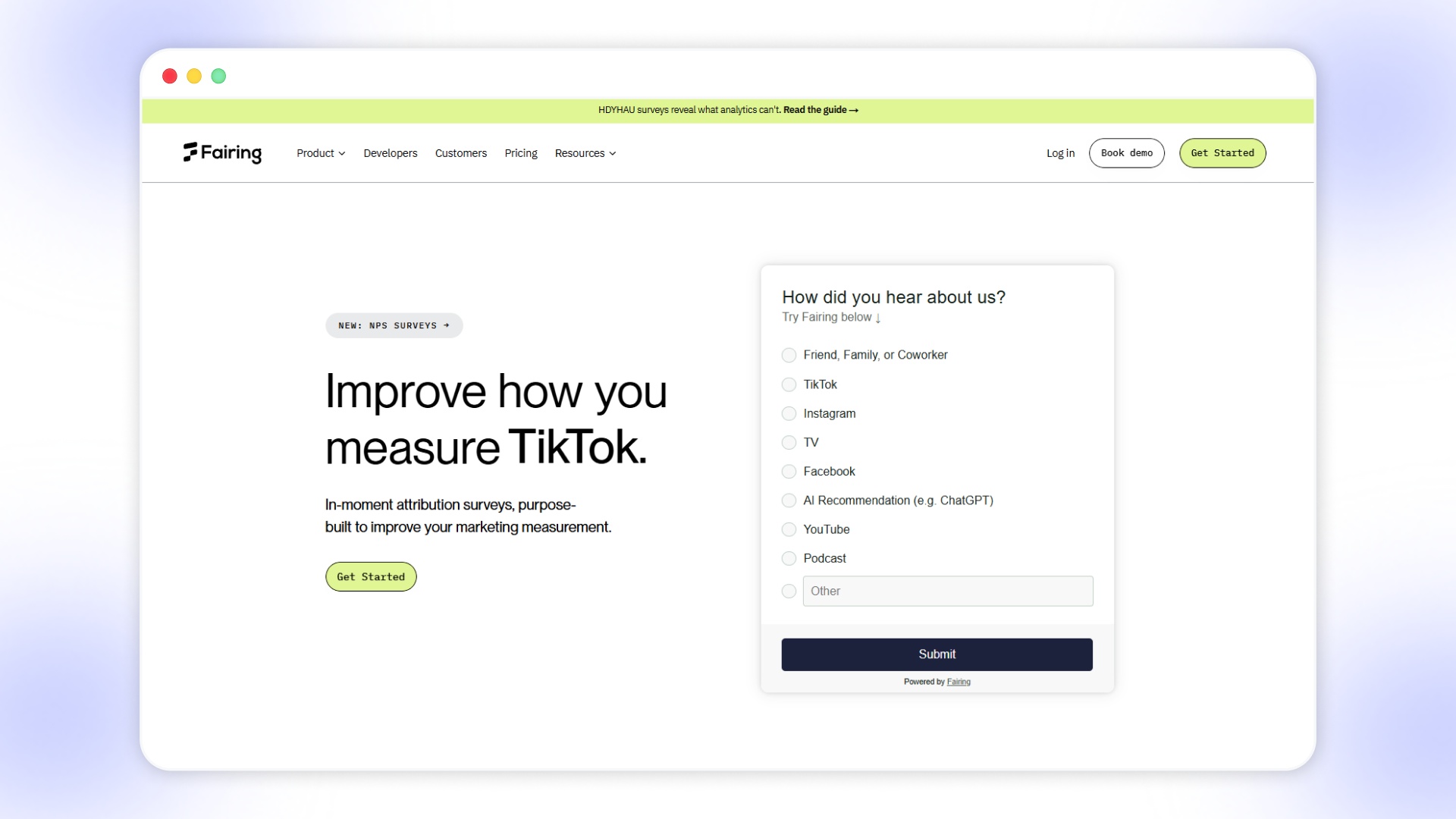
Best for: Brands that want to understand why customers convert through post-purchase surveys and attribution.
Fairing helps Shopify brands understand why customers convert by capturing direct feedback through post-purchase surveys and attribution questions. It focuses on improving retention by revealing which channels and experiences actually drive repeat buying behavior.
Key features that drive retention:
- Post-purchase attribution surveys: Capture real customer feedback at the moment of conversion to understand what drives purchases.
- Advanced attribution and analytics: Combines survey data with behavioral insights to identify high-performing channels and reduce wasted spend.
- Integrations with tools like Klaviyo and GA4: Syncs insights into marketing workflows for better targeting and retention strategies.
Pricing:
- Free plan available
- Core and Enterprise plans: Custom pricing based on volume
Watchouts: Strong on insight, but it needs other tools to turn that insight into action.
12. Omnisend
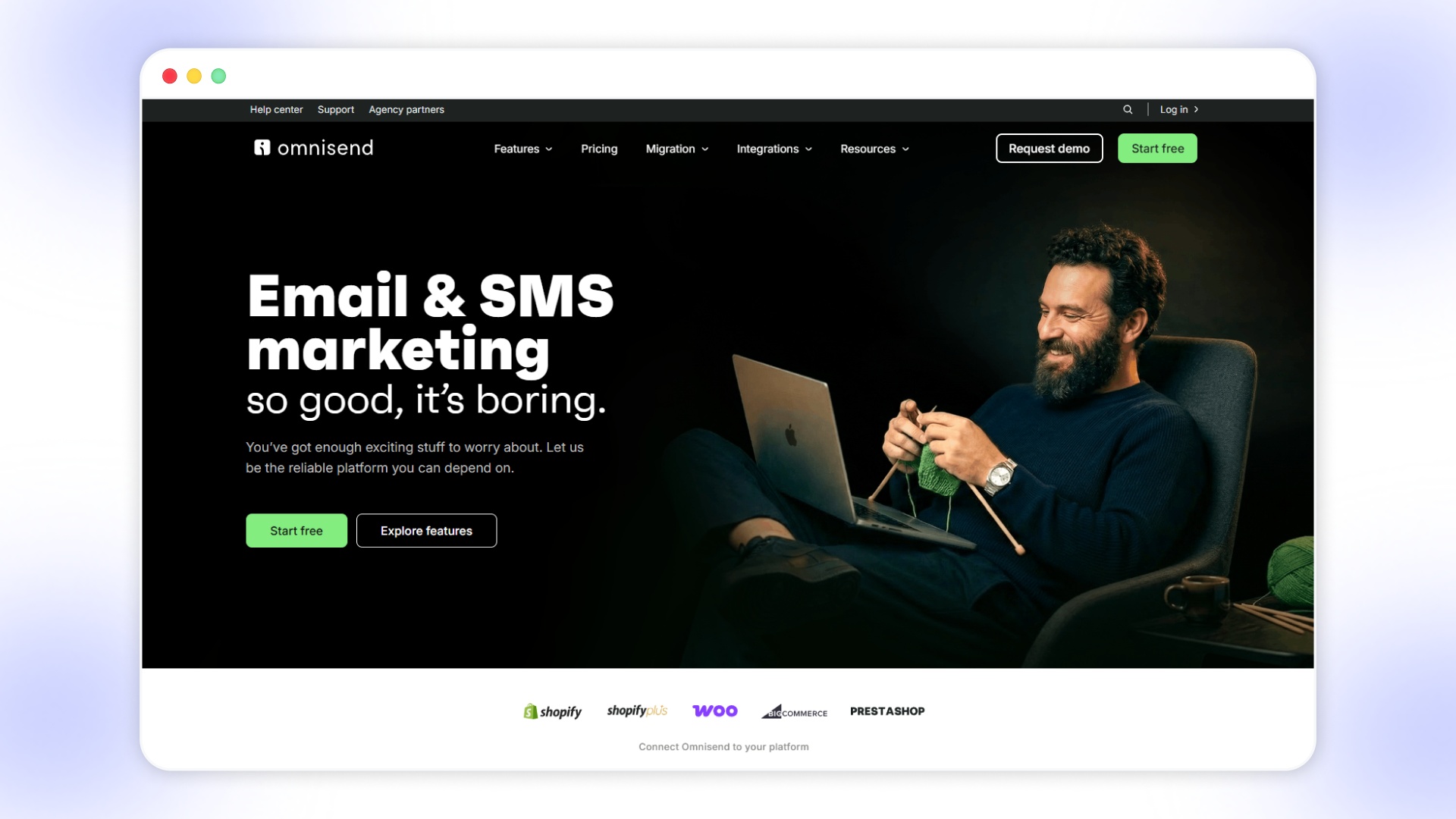
Best for: Brands that want email, SMS, and push automation for abandoned carts, win-backs, and re-engagement.
Omnisend is an omnichannel marketing platform that helps Shopify brands bring customers back through email, SMS, and push notifications. It focuses on automated campaigns and segmentation to drive repeat purchases without constant manual effort.
Key features that drive retention:
- Email, SMS, and push automation: Runs abandoned cart, win-back, and post-purchase flows across multiple channels.
- AI-driven segmentation and personalization: Targets customers based on behavior, lifecycle stage, and purchase history.
- Pre-built workflows and performance tracking: Helps launch campaigns quickly while tracking revenue and engagement impact.
Pricing:
- Free plan available
- Standard: starts around $11.20/month
- Pro: starts around $41.30/month
- Custom pricing for high-volume brands
Watchouts: Works best when the brand already has clean segments and a clear message strategy.
13. Attentive
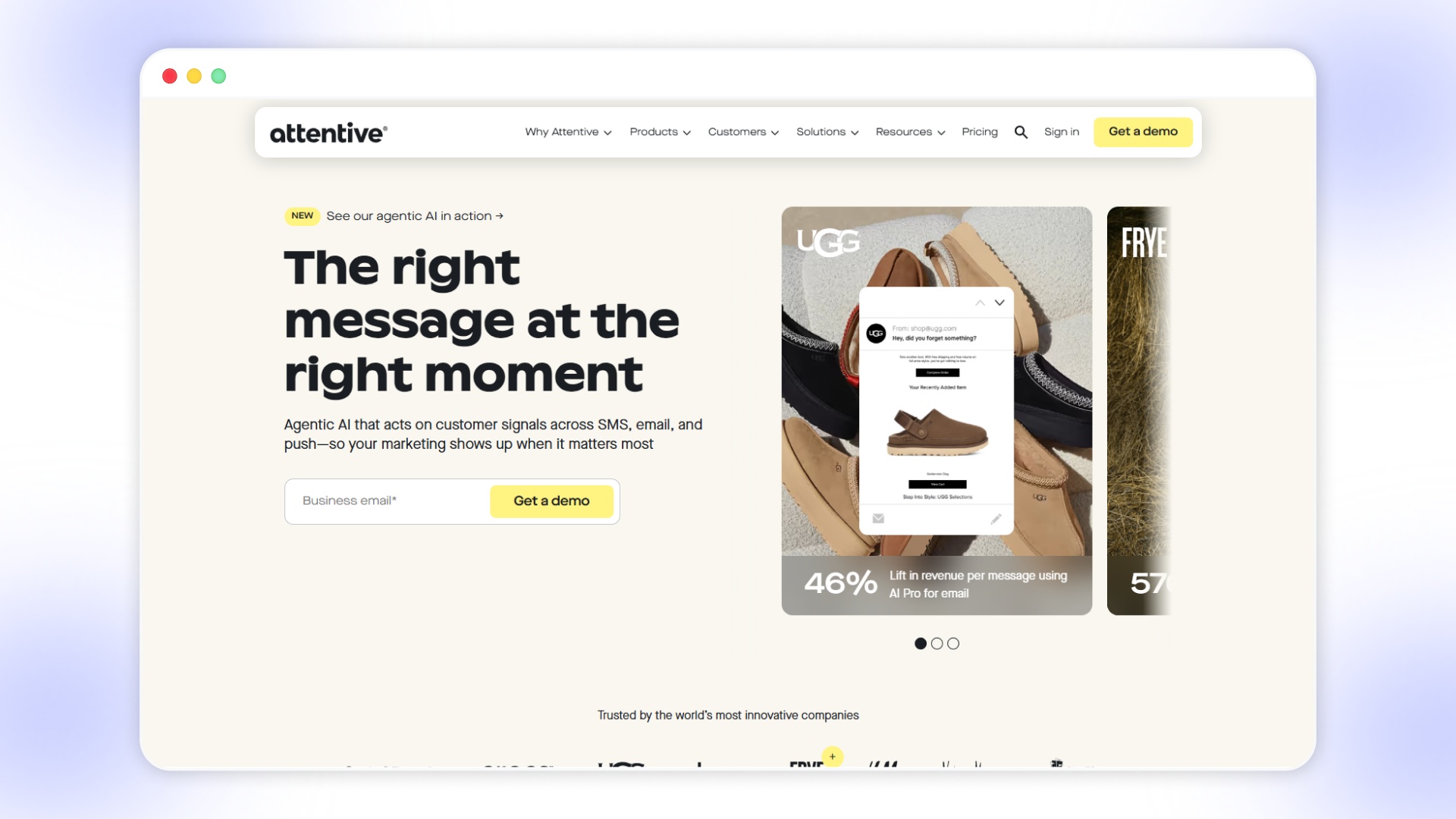
Best for: Brands that want SMS-led retention with fast, personalized, and conversational messaging.
Attentive is an SMS-first marketing platform that helps Shopify brands drive repeat purchases through personalized, real-time messaging. It focuses on high-engagement channels to bring customers back quickly and consistently.
Key features that drive retention:
- Automated SMS flows: Send browse, cart, and checkout abandonment messages to recover lost revenue.
- Personalized two-way messaging: Enables conversational interactions and tailored product recommendations using Shopify data.
- List growth and compliance tools: Builds subscriber lists through high-converting sign-up units while maintaining messaging compliance.
Pricing:
- Custom pricing based on usage and business size
Watchouts: Best for teams that can maintain strong list growth and compliance discipline.
How to Choose the Right Customer Retention App for Your Shopify Store?
Choosing a retention app depends on what’s actually breaking between the first and second purchase. Different apps fix different points in that journey, so the decision should map directly to the problem, not just features.
Here’s how to choose based on real scenarios:
- Customers buy once but don’t return: Loyalty apps like Smile.io or LoyaltyLion work best by giving customers a reason to come back through points, rewards, and tiers.
- Customers browse again but don’t complete purchases: Tools like WiserNotify or Loox help build trust and reduce hesitation during repeat visits.
- High abandoned carts from returning visitors: Email and SMS platforms like, Omnisend, or Attentive are effective for bringing customers back to complete purchases.
- Customers purchase regularly but not consistently: Subscription apps like Appstle Subscriptions or Skio help turn occasional buyers into predictable repeat customers.
- Retention efforts feel scattered across multiple tools: Platforms like Growave or Marsello combine loyalty, reviews, and engagement into one system.
- No clarity on why customers don’t return: Analytics tools like RetentionX or Fairing help identify drop-offs, churn risks, and repeat behavior patterns.
- When retention depends on bringing users back repeatedly: Some brands move beyond campaign-led tools and include platforms like Appmaker.xyz to create a more consistent, in-app return experience.
At this stage, the challenge is no longer finding tools, but identifying which one actually addresses the specific gap in your setup.
Shopify Retention Apps Compared by Impact & Use Case
Not every retention tool influences revenue in the same way; some trigger repeat actions, while others build long-term buying habits. Looking at them side by side makes it easier to understand which one aligns with how customers actually return.
Here’s a clear comparison based on how each app contributes to repeat purchases:
One approach stands apart here because it doesn’t just support retention efforts but changes how customers return and interact altogether. Instead of relying on external channels to bring customers back, Appmaker creates a direct, high-intent environment where customers return on their own, making retention more consistent and conversions easier to achieve.
Wrapping Up
Retention doesn’t break at the same place for every Shopify store, and that’s exactly why most setups underperform. Stores relying only on loyalty tools like Smile.io or LoyaltyLion often see repeat purchases tied to incentives, not habit. Email and SMS platforms like Attentive bring customers back, but only as long as attention holds. Subscription tools like Skio and Appstle Subscriptions stabilize revenue, but only for specific product types. The pattern is clear: most tools solve a slice of retention, not the full journey.
What changes the outcome is reducing the effort required for a customer to return and purchase again. That’s where platforms like Appmaker.xyz stand apart, not by adding another campaign layer, but by shortening the path between intent and action inside a dedicated mobile experience. When repeat behavior depends less on reminders and more on ease of access, retention starts compounding instead of resetting after every campaign cycle.
If repeat purchases still rely on campaigns, Appmaker.xyz offers a mobile-first approach. Book a demo to see the difference.
FAQs
What are the best Shopify apps to increase repeat customers?
Top apps include loyalty tools like Smile.io and subscription apps like Skio. Each focuses on a different part of retention, so the best choice depends on how customers return to your store.How do I get customers to come back to my Shopify store?
Repeat purchases usually depend on reducing friction and staying visible after the first order through email, SMS, or loyalty programs. Stores with stronger retention often combine re-engagement tools with faster shopping experiences like mobile apps.Which Shopify apps help recover abandoned carts?
Apps like Omnisend, and Attentive are commonly used for abandoned cart recovery. They trigger automated reminders through email or SMS to bring customers back and complete purchases.Is email or SMS better for customer retention on Shopify?
Email works better for detailed communication and long-term engagement, while SMS drives faster responses due to higher open rates. Many Shopify stores use both together to cover different stages of the customer journey.Do loyalty programs actually increase repeat purchases?
Loyalty programs can increase repeat purchases by giving customers a clear incentive to return and spend more. However, results are stronger when combined with other tools that reduce friction in the buying experience.How can I improve conversion rates on mobile for Shopify?
Improving mobile conversion usually involves faster navigation, saved preferences, and fewer checkout steps. Platforms like Appmaker.xyz help by creating a dedicated app experience where repeat purchases happen more easily.