


























Open any ecommerce dashboard today, and you see the same story. Mobile has already taken over how people shop. Most visitors find a brand on their phone, check prices on their phone, leave carts on their phone, and buy on their phone.
The data behind this shift is no longer just a trend. These mobile commerce numbers show how a store performs, how fast people convert, how much they spend, how often they return, and where they drop off.
The brands growing today are not just mobile-friendly. They focus on mobile first because the numbers clearly point in that direction. When most of your traffic, conversions, and repeat buyers come from mobile, every decision has to support that journey.
In this blog, we will discuss the most important mobile commerce statistics and what they mean for real business growth.
Overview
- Mobile commerce now accounts for around 60% of global online sales, making mobile experience optimization essential for driving conversion and customer retention.
- A large share of shoppers, especially about 76% of U.S. adults, regularly purchase on smartphones, and 70% prefer mobile apps over mobile web for ease of checkout.
- Cart abandonment remains a key friction point, with roughly 75% of mobile carts abandoned, highlighting the need for streamlined checkout and modern payment options.
- Social commerce influences purchase behavior strongly, with platforms like Instagram and TikTok significantly increasing mobile engagement and discovery.
- App visibility and adoption matter: brands with strong keyword strategies see up to 87% more organic installs, while improved icons/screenshots can double install rates.
What Are Mobile Commerce Statistics and Why Do They Matter?
Mobile commerce statistics track shopper behavior, device usage, and sales trends on smartphones and tablets. These numbers help brands understand where customers spend time, which features drive purchases, and how to optimize mobile app customer experiences for higher engagement and conversions.
Why Mobile Commerce Statistics Matter
- Spot friction early: Show where shoppers drop off, hesitate, or abandon, so teams can fix issues before they cost revenue.
- Guide product decisions: Reveal which features, search, checkout, navigation, app flows, actually influence purchase behavior.
- Improve personalization: Help brands tailor recommendations, content, and offers to real user patterns instead of assumptions.
- Strengthen acquisition efficiency: Indicate which channels bring high-intent mobile shoppers versus low-value traffic.
- Shape long-term strategy: Inform budgeting, app adoption plans, and retention efforts based on proven mobile shopper habits.
Now that the basics are clear, let’s move into the global mobile commerce setup and see how the market is expanding worldwide.
Also Read: 20+ E-Commerce Conversion Best Practices: Actionable Tips & Checklist for 2026
Global Mobile Commerce Market
Mobile commerce is quickly becoming the main way people shop online. Smartphones are now at the center of ecommerce, and brands that don’t make mobile shopping easy risk losing a big chunk of customers.
1. Global Revenue
Global mobile commerce sales reached $491 billion in 2023 and are projected to grow to $856 billion by 2027. This rapid expansion demonstrates that mobile shopping is a major driver of global ecommerce growth.
2. Mobile Share of Total Ecommerce
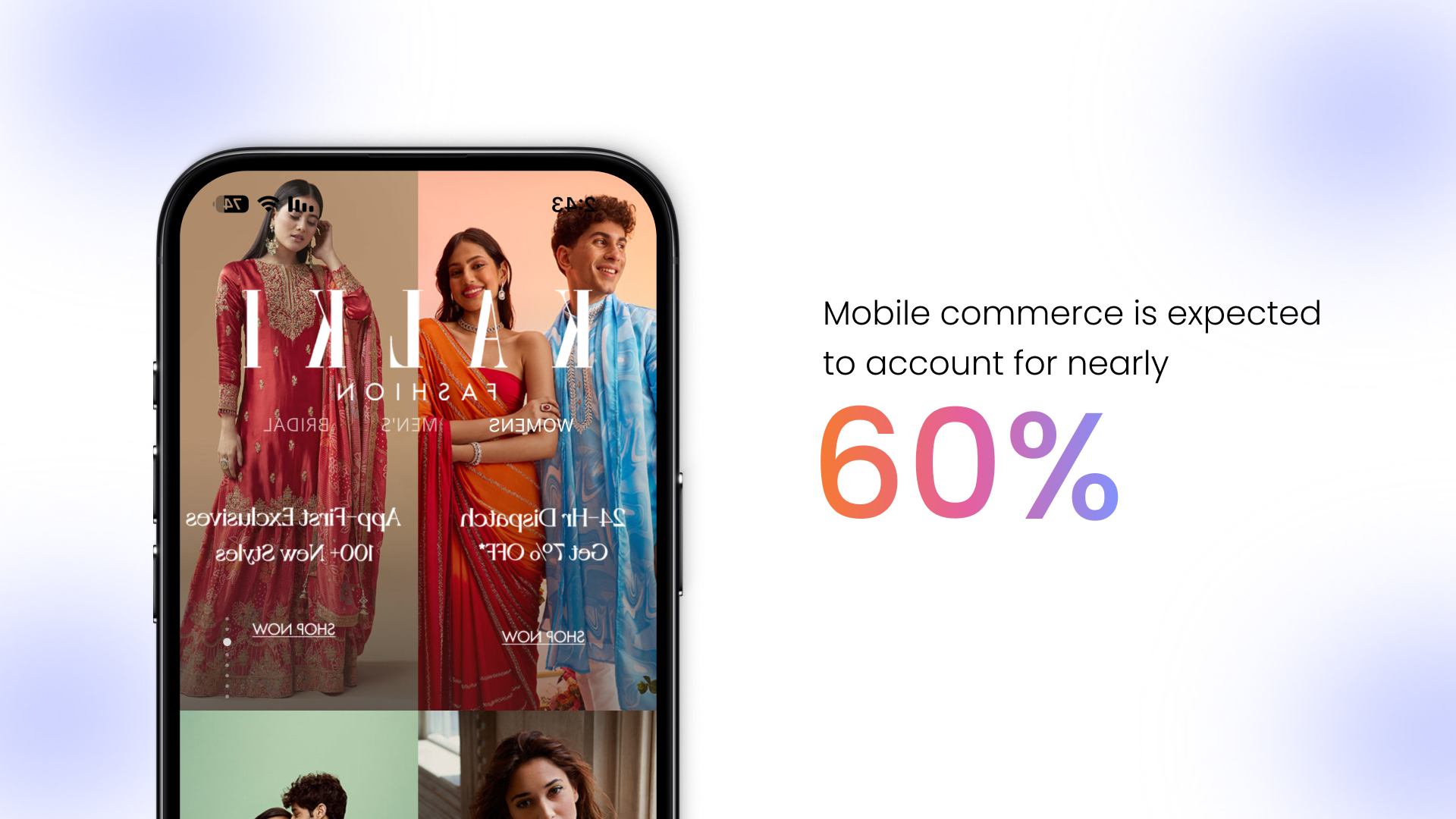
By 2026, mobile commerce is expected to account for nearly 60% of total global ecommerce sales. This highlights that more than half of online purchases now happen on smartphones, making mobile optimization a business-critical strategy for brands.
3. Device Penetration
Smartphone adoption is accelerating, with the number of users expected to reach 6 billion by 2027. 90% of shoppers shop from mobile web, underscoring that widespread device penetration is a key driver of mobile commerce growth and a major opportunity for brands to capture engaged buyers.
With the global picture in place, the next step is understanding who these mobile shoppers are and how their behavior shapes buying patterns.
Mobile Shopper Demographics & Behavior
Knowing how and why people shop on mobile helps brands make better decisions about apps, promotions, and engagement. These insights can guide your mobile strategy to increase sales and loyalty.
4. Mobile Shopping Adoption
About 76% of U.S. adults now make purchases using their smartphones, and 70% of mobile shoppers prefer apps over mobile websites. This shows that apps have become the go-to channel for convenience and faster checkout.
5. Social Commerce
Social platforms are driving real sales, with 62% of shoppers buying through social channels. For example, consumers are 98% more likely to trust recommendations from YouTube creators than from influencers on other platforms. making social commerce a key revenue driver.
6. Loyalty & Spending
Mobile shoppers not only spend more but also return more often than desktop users. Globally, retail apps recorded 41.9 billion hours of engagement last year, highlighting the strong retention and spending potential of mobile-first consumers.
Once you know who’s shopping and how, it’s important to look at what happens at checkout and where friction still exists on mobile.
Cart & Checkout Statistics
Mobile shopping is convenient, but checkout remains a key hurdle for many shoppers. From abandoned carts to changing payment methods, understanding how consumers behave at the final stage of purchase is essential for brands looking to maximize mobile conversions.
7. Cart Abandonment
Cart abandonment is a bigger challenge on mobile than on desktop, with 75.5% of carts abandoned rate. This shows the friction mobile shoppers still face during checkout, from slow load times to complicated forms.
8. Payment Preferences
Mobile shoppers are increasingly using mobile wallets, buy-now-pay-later (BNPL), and contactless payments, with adoption rising 30–40% year over year. 53% of shoppers worldwide used digital wallets in 2024. Biometric authentication is also gaining traction, helping consumers feel more secure and confident while completing mobile purchases.
After seeing how shoppers behave at the final step, let’s break down the core forces pushing mobile commerce growth across industries.
Also Read: 10 High-Impact Tactics to Increase Shopify Conversions in 2026
Drivers of Mobile Commerce Growth
Mobile shopping is growing fast because it’s easy, fast, and fits into daily life. Shoppers like apps and phones for quick payments, discovering products on social media, and using devices that are always with them.
9. Convenience
One-click checkout and in-app payments make shopping fast and simple, reducing friction and increasing their spending by an average of 28.5%, letting customers complete purchases without leaving the app.
10. Social Discovery
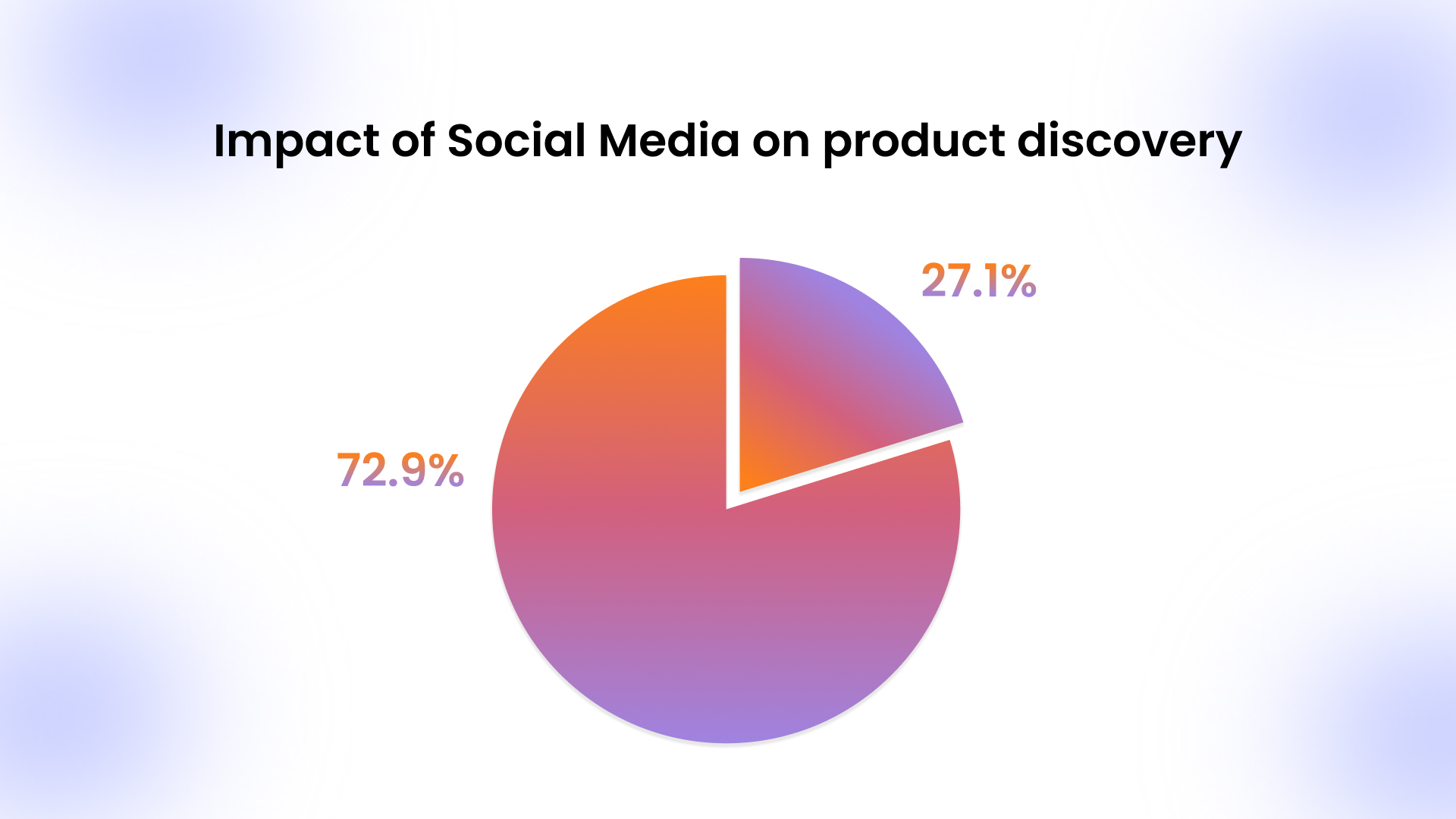
Social media drives product discovery, with 72.9% of shoppers researching brands online before buying. Social commerce will reach $2.23 trillion globally in 2026, showing its huge influence.
11. Speed & Accessibility
Mobile speed and usability are critical. Slow-loading pages or poor navigation frustrate shoppers. On the other hand, reducing your page load time by 1 second can increase your conversion rate by 5.6%, making optimized experiences essential.
With the main growth drivers identified, it helps to see which sectors benefit the most from these trends and how mobile shapes them.
Industry Insights on M Commerce Statistics
Mobile commerce impacts different sectors differently. From fashion to B2B, understanding which industries thrive on mobile and how apps boost retention helps brands prioritize strategy.
12. Top Mobile Commerce Categories
Fashion leads in mobile sales, followed by grocery, electronics, and D2C products. Shoppers increasingly use smartphones to browse, compare, and purchase these popular categories online. Fashion apps show 3.2x higher conversion rates than mobile web.
13. B2B Mobile Commerce
B2B mobile commerce is growing, with over 55% of B2B website traffic coming from mobile. Companies use apps to simplify ordering, improve repeat sales, and boost efficiency.
14. Shopify & Apps
Millions of Shopify and other ecommerce stores use mobile apps to increase customer retention, encourage repeat purchases, and provide a smoother, more engaging shopping experience.
Knowing which industries lead is useful, but performance benchmarks reveal where brands lose or gain revenue on mobile channels.
Optimization & Benchmark Mobile Ecommerce Statistics
Mobile sales can be held back by performance gaps. Comparing traffic, page speed, and checkout processes reveals where improvements drive real revenue growth for app-using brands.
15. Traffic vs Conversion Gaps
Customer often see that their mobile traffic is huge. Yet conversion lags an average of 18-22% of their potential revenue unrealized.
16. App Store Optimization Impact
Brands with a strong keyword strategy see 87% more organic installs, and app icons/screenshots improvements can 2x install rates, driving visibility and acquisition growth.
17. Checkout Optimization
Brands with mobile-optimized checkouts report up to 25% higher conversions. Simplified forms, digital wallets, and fast page loads directly increase completed purchases and repeat customer behavior.
Once current benchmarks are clear, it’s easier to understand where mobile commerce is heading and which technologies will matter next.
Future Mobile Commerce Stats Projections
Mobile commerce is evolving rapidly. Emerging tech like voice, AI, and 5G will reshape user experience, boost conversions, and further expand mobile’s share in global ecommerce.
18. Voice & AI Commerce
Voice-assisted shopping could drive 30% of mobile transactions by 2030, while AI-powered recommendations lift average order value around 20%, improving personalization and repeat purchase potential.
19. 5G & Rich Media
5G enables AR/VR product previews, faster page loads, and richer mobile experiences, directly increasing engagement, session time, and ultimately conversions across retail and D2C apps. Additionally, according to the Tapcart BFCM 2025 Report, Video-rich PDP can deliver up to +152% lifts in conversion rate
20. Long-Term Mobile Share
Mobile is projected to reach USD 4.16 trillion by 2031, reflecting continued smartphone adoption, app usage, and preference for seamless, on-the-go shopping experiences.
After understanding what’s coming, the natural next step is learning how to turn these trends into practical, everyday strategies for growth.
Also Read: How to Market a Shopify Mobile App: 11 Actionable Strategies
How to Use Mobile Commerce Trends?
Mobile commerce is shifting fast. Brands that act on app adoption, social commerce, speed improvements, and AI personalization can turn data into real sales growth and loyal customers. Here’s how:
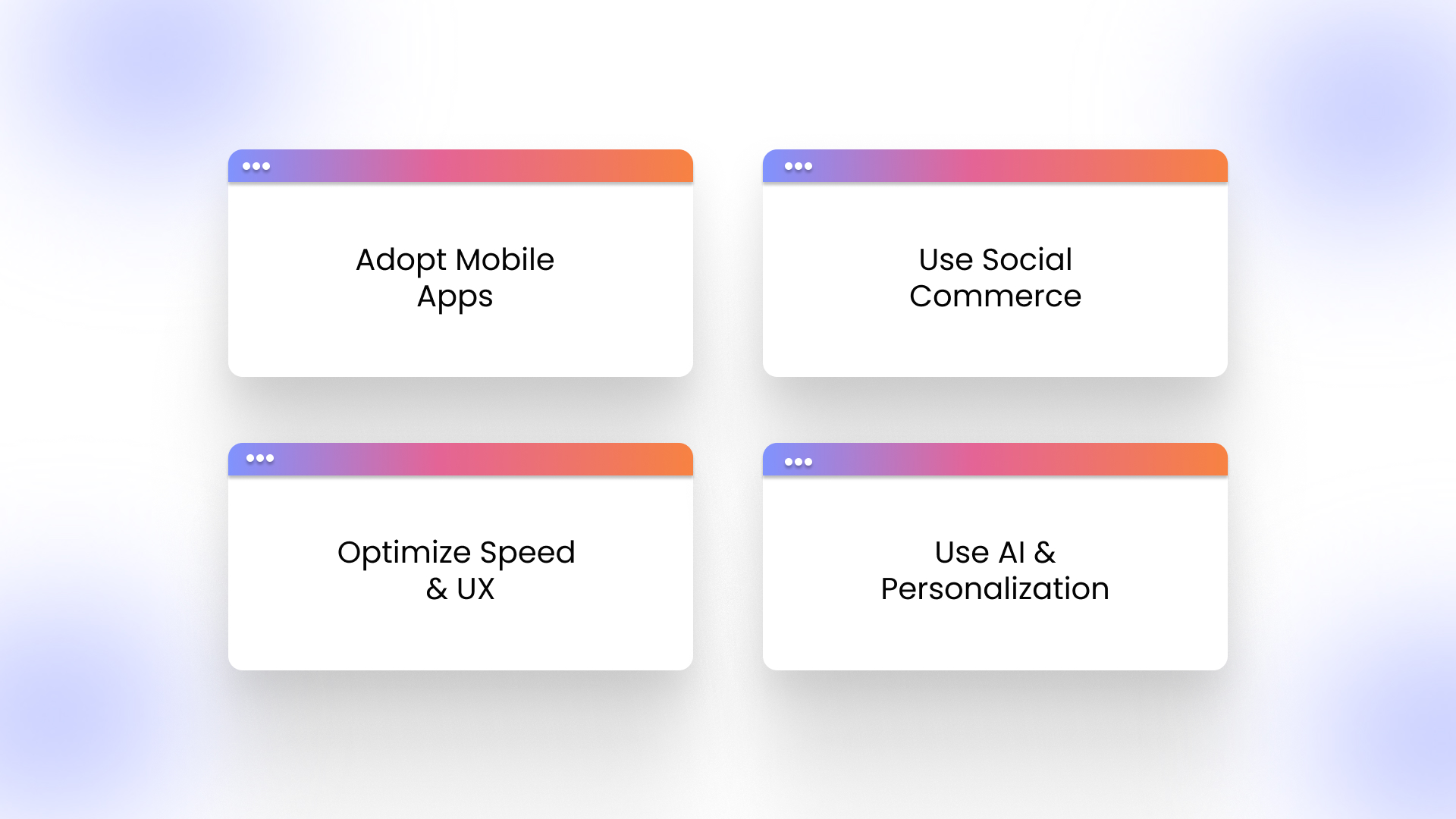
- Adopt Mobile Apps: Encourage repeat buying with a dedicated app. Add features like saved carts, one-tap checkout, and push notifications for new arrivals or flash deals to drive daily engagement.
- Use Social Commerce: Sell where your audience spends time. Tag products on Instagram posts and reels, run TikTok Shop campaigns, and link directly to checkout to shorten purchase paths.
- Optimize Speed & UX: Slow pages kill sales. Compress images, enable lazy loading, simplify navigation, and test checkout flows regularly. Faster load times reduce cart abandonment and boost conversion rates.
- Use AI & Personalization: Use AI to recommend products based on past purchases or browsing. Personalized push alerts for discounts or restocks increase average order value and customer retention effectively.
And once the strategies are in place, here’s how AppMaker helps brands apply them faster and build stronger mobile experiences.
How AppMaker Makes Mobile Commerce Work for Your Brand
Mobile shoppers move fast, and your brand needs to keep up. AppMaker helps you turn casual visitors into repeat buyers by giving them an app experience that’s smooth, simple, and built for conversion. Instead of clunky interfaces or slow checkouts, your customers get an app that feels natural and keeps them coming back.
Key Features of AppMaker:
- Deep Customization: Fully tailor your app’s layout, colors, menus, and product displays to match your brand identity, giving shoppers a unique, consistent experience that stands out from competitors.
- Smart Push Notifications: Send highly targeted alerts based on user behavior, location, or cart activity, keeping customers engaged, driving repeat visits, and increasing conversions without being spammy.
- AI-Powered Recommendations: Show shoppers products they’re most likely to buy using past behavior, boosting order value, helping discovery, and creating a more personalized, satisfying shopping journey.
- Eidolon AI: Turn your app designs into working mobile apps effortlessly. Upload screenshots or Figma files, and Eidolon converts them into reusable, actionable app components.
- John AI: A virtual assistant for merchants that delivers real-time insights on sales, trends, and customer behavior, integrating directly with Shopify analytics for smarter decisions.
AppMaker has helped brands across categories like Fashion, Pet Supplies, Personal Care, and Food & Nutrition significantly boost their mobile app performance. Revenue contribution from apps increased between 45–70% across categories, conversion rates improved 2.5x to 4x, and repeat purchase rates grew 1.5x to 3x. With AppMaker, your brand turns mobile shopping into an advantage, creating experiences that keep customers coming back and increase sales naturally.
Conclusion
Mobile commerce is now central to retail success, with billions of users shopping via smartphones and mobile apps. Understanding adoption rates, cart behaviors, payment preferences, and social commerce trends helps brands optimize their strategies, reduce friction, and increase conversions. Data shows that mobile shoppers spend more, return more often, and respond better to personalized experiences, making mobile optimization a priority for sustainable growth.
AppMaker supports brands in turning these insights into action. With deep customization, push notifications, AI-powered recommendations, and social commerce integration, AppMaker enables seamless mobile shopping experiences that increase engagement, improve retention, and maximize revenue.
For guidance on building a high-performing mobile commerce app, reach out to AppMaker today.
FAQs
1. Why is mobile important for e-commerce, and what are its future implications?
Mobile drives over 60% of web traffic and a growing share of sales. Its convenience, app adoption, and social commerce integration will continue shaping buying behavior, making mobile optimization essential for long-term revenue growth.
2. How is mobile commerce different from traditional eCommerce?
Mobile commerce focuses on shopping through smartphones or tablets, emphasizing apps, speed, push notifications, and social commerce. Meanwhile, traditional eCommerce primarily involves desktop browsing and purchases with fewer real-time personalization and mobility features.
3. Which industries are seeing the highest mobile adoption?
Fashion, electronics, grocery, and direct-to-consumer (D2C) brands lead mobile adoption due to frequent, smaller purchases and app engagement, while high-ticket, complex products still rely more on desktops for research.
4. What is the most successful strategy for mobile commerce?
Successful mobile commerce combines fast, optimized apps, one-tap checkout, personalized AI recommendations, social commerce integration, and timely push notifications to drive conversions, retention, and higher average order values.
5. Does mobile convert worse than desktop?
Mobile often shows slightly lower conversion rates due to smaller screens and checkout friction. However, optimized apps, faster load times, and simplified flows can surpass desktop performance in engagement and repeat purchases.