

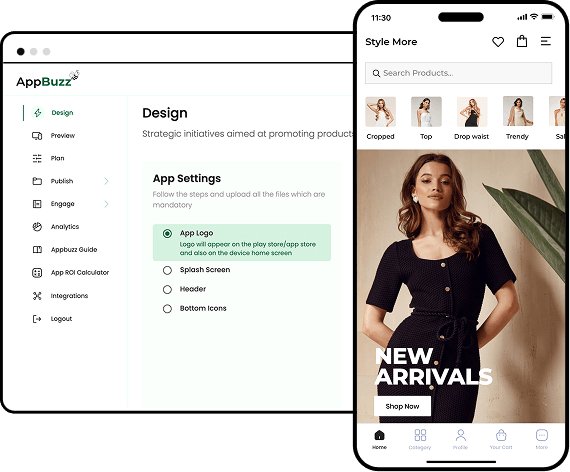
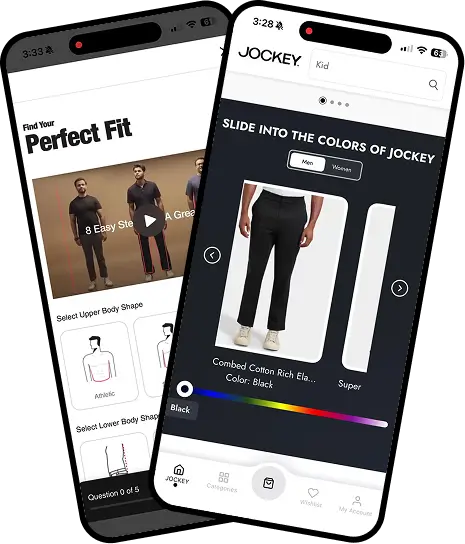















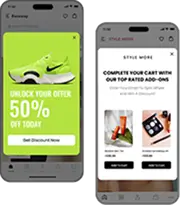





Mobile services push notifications are one of the most direct ways for e-commerce brands to reach their customers. They deliver timely messages about abandoned carts, flash sales, new arrivals, and shipping updates straight to a user’s phone. However, with so many brands competing for attention, standing out is a challenge, especially on mobile.
On average, US smartphone users receive 46 app push notifications daily, making relevance and timing essential. The right notification strategy ensures shoppers engage with content instead of ignoring it, boosting retention, repeat purchases, and overall revenue.
In this blog, we will discuss what mobile push notifications are, why they work, and how Shopify and D2C brands can use them effectively for higher engagement and conversions.
Overview
- Mobile services push notifications deliver real-time, personalized messages that drive engagement, retention, and conversions for Shopify and D2C brands.
- Different types of notifications, including marketing, transactional, behavioral, and security alerts, allow brands to communicate contextually and effectively.
- Push notifications work through secure device registration, tokenization, AI-driven triggers, and deep linking to guide users directly to relevant actions.
- Technical best practices like optimized opt-ins, timing, segmentation, personalization, and compliance ensure notifications remain effective without causing fatigue or legal issues.
- Platforms like AppMaker simplify push management with real-time Shopify sync, AI personalization, campaign scheduling, and analytics, making notifications actionable and tied to revenue outcomes.
What Are Push Notifications and Why E-Commerce Brands Need Them?
Mobile services push notifications are instant messages sent directly to a user’s smartphone via apps or the mobile web.
For e-commerce brands, they provide:
- Real-time updates on cart reminders
- Flash sales
- Product launches
- Shipping alerts
Unlike emails or SMS, they appear on lock screens and in-app banners, ensuring immediate visibility and higher engagement. Shopify and D2C brands use them to recover abandoned carts, drive repeat purchases, and deliver personalized recommendations.
Beyond marketing, these notifications handle transactional alerts and account security updates. This makes them important for enhancing customer experience, boosting retention, and maximizing mobile-driven revenue.
Having understood what push notifications are, let’s look at the tangible impact they create, from higher engagement to increased retention and revenue for mobile-first stores.
Also Read: Holidays 2025: How Ecommerce Brands are using Mobile Apps to Win BFCM 2025
The Business Impact of Push Notifications in E-Commerce
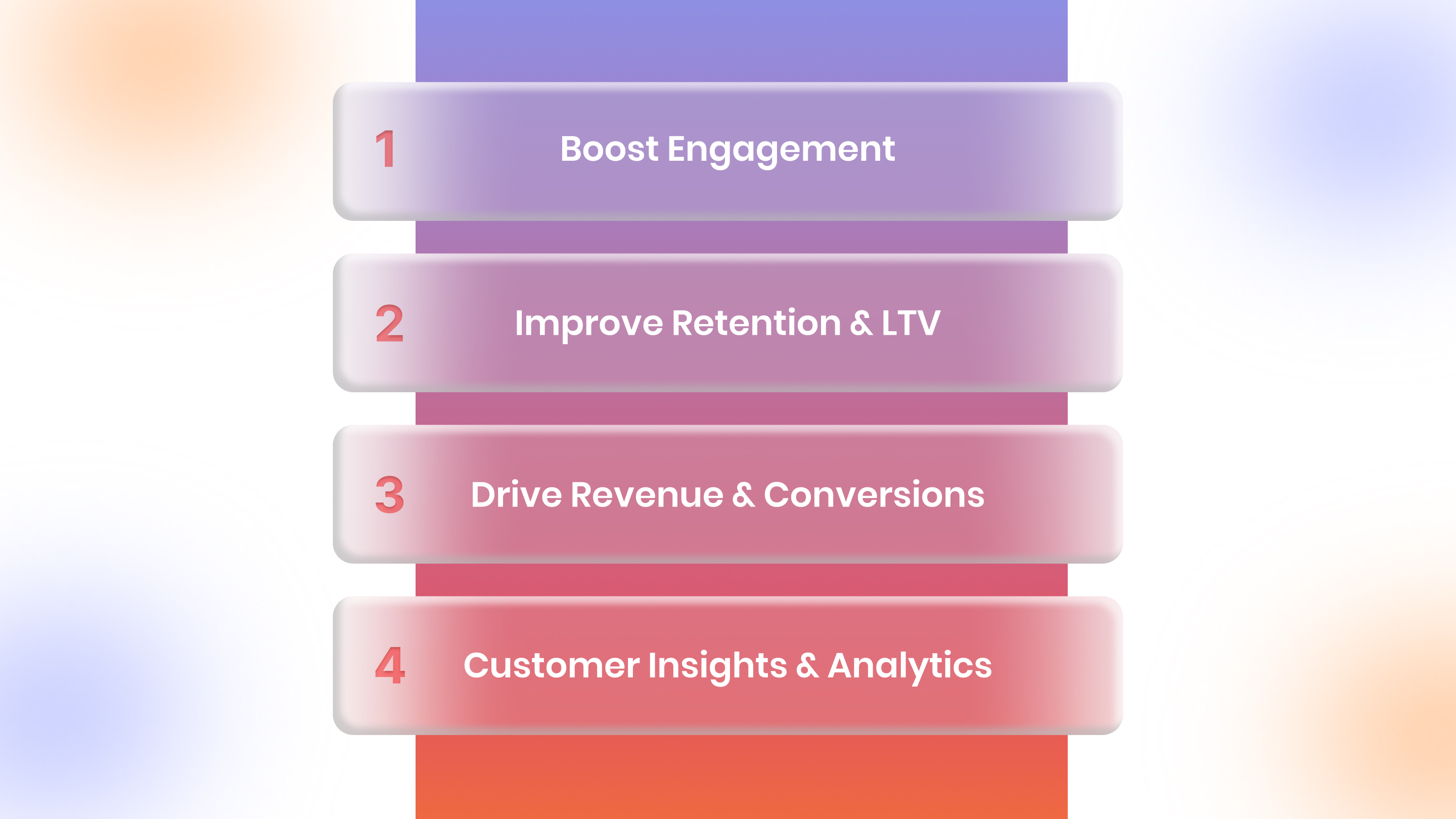
Mobile services push notifications are a high-ROI tool for Shopify and D2C brands, turning app installs into revenue engines. By delivering real-time, personalized messages, they drive engagement, retention, conversions, and actionable insights, all while optimizing the mobile shopping journey.
1. Boost Engagement
Send behavior-driven alerts like repeated product views or wishlist interactions to recapture attention instantly. Personalized triggers encourage users to open the app, interact with content, and engage with promotions, overall increasing engagement rates.
2. Improve Retention & LTV
Re-engage dormant users with targeted notifications, personalized product suggestions, or loyalty rewards. Mobile services push notifications nurture repeat purchases, deepen brand affinity, and maximize customer lifetime value for long-term growth.
3. Drive Revenue & Conversions
Recover abandoned carts and promote flash sales with timely alerts. Limited-time offers, restock notices, and AI-optimized push campaigns create urgency, driving immediate conversions and measurable revenue uplift for mobile-first e-commerce stores.
4. Customer Insights & Analytics
Use behavioral data from push notifications to track opens, clicks, conversions, and engagement patterns. AI-powered dashboards segment users, measure campaign effectiveness, and guide data-driven strategies that refine future notifications and boost ROI.
With the benefits clear, the next step is knowing the types of push notifications available and how each one can be strategically used for different business goals.
Types of Push Notifications for E-Commerce
Mobile services push notifications offer e-commerce brands multiple ways to engage, retain, and convert users. Choosing the right type ensures targeted messaging, higher engagement, and measurable ROI while supporting personalization, security, and real-time updates.
1. Marketing Notifications
Send targeted promotional alerts for flash sales, seasonal campaigns, or loyalty rewards. Personalized messages about limited-time offers or exclusive discounts drive repeat purchases more effectively than broad emails, increasing app engagement and sales.
2. Transactional Notifications
Provide instant order confirmations, shipping updates, and payment receipts. Real-time transactional notifications enhance transparency, reduce support queries, and reinforce customer trust, improving satisfaction and long-term retention.
3. Behavioral & Personalized Notifications
Trigger messages based on user actions, such as browsing history, search patterns, or past purchases. AI tools like AppMaker’s Rubik AI analyze behavior to deliver tailored recommendations, restock alerts, or product suggestions, boosting conversions and app stickiness.
4. One-Time Alerts & Security Messages
Send important notifications like OTPs, password changes, or suspicious login alerts. These enhance user security, maintain regulatory compliance, and build trust while keeping customers informed of urgent account activities.
5. Web Push vs App Push
Web pushes reach users via browsers without requiring app installation, but app pushes provide higher engagement, deeper personalization, and integration with Shopify analytics and AI tools. This makes them ideal for D2C and Shopify brands.
Once you’re familiar with the different notification types, it’s important to understand how they function.
How Push Notifications Work?
Mobile services push notifications rely on secure app-device connections and smart triggers to deliver timely, relevant messages. For e-commerce brands, understanding registration, tokenization, personalized triggers, and deep linking is essential to maximizing engagement, conversions, and revenue from mobile users.
1. App Registration & Device Tokens
Apps must register with APNs (iOS) or FCM (Android) to enable push notifications. Each device receives a unique token for secure message delivery. iOS requires opt-in, while Android allows opt-out, impacting targeting strategies.
2. Sending Notifications via Push Service Providers
Registered devices receive messages through push service providers. App builders like AppMaker’s real-time sync integrate with Shopify, instantly updating users on promotions, product launches, and personalized recommendations without manual intervention.
3. Personalized & Trigger-Based Pushes
Notifications can be behavior-triggered, location-specific, or AI-optimized. Predictive AI analyzes browsing, purchase history, and engagement patterns to send hyper-relevant messages at the right time, increasing conversions and retention.
4. Deep Linking & Actionable CTAs
Deep links guide users directly to product pages or app sections. Paired with clear CTAs like “Complete Purchase” or “Claim Discount,” these notifications reduce friction, simplify checkout, and drive measurable revenue from mobile engagement.
Having covered how push notifications operate, let’s dive into the technical best practices that ensure messages are timely, relevant, and engaging without causing fatigue.
Technical Best Practices for E-Commerce Push Notifications
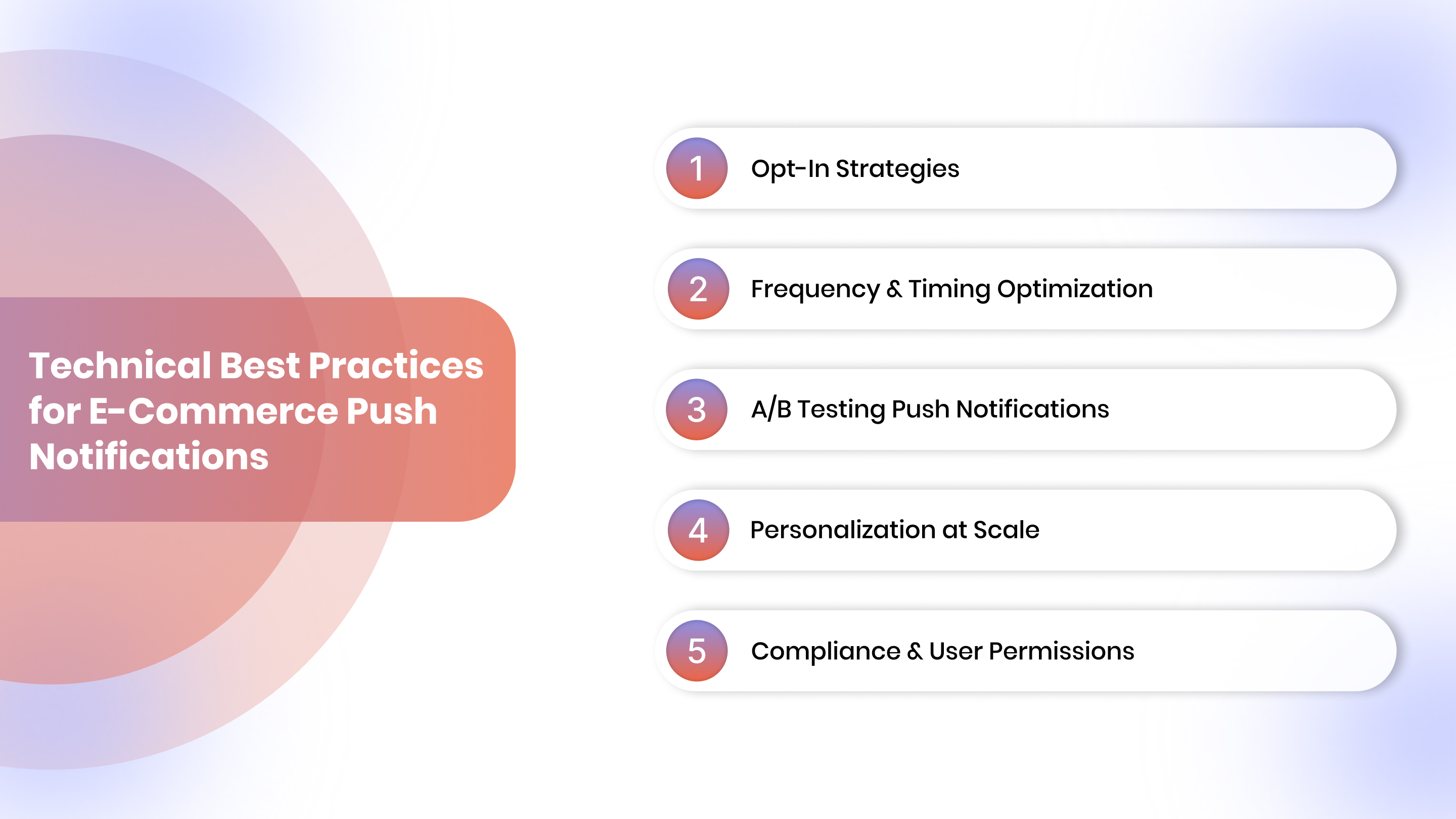
E-commerce brands maximize the impact of mobile services push notifications by implementing proven technical strategies. Optimizing opt-ins, timing, personalization, A/B testing, and compliance ensures messages drive engagement, conversions, and customer loyalty without causing legal risk.
1. Opt-In Strategies
Integrate smart opt-in prompts during onboarding or app updates, highlighting value like exclusive discounts or early access to sales. This encourages acceptance without coercion, boosting notification subscription rates for Shopify and D2C mobile apps.
2. Frequency & Timing Optimization
Avoid overwhelming users by sending notifications too frequently. Segment audiences by activity patterns, engagement levels, and time zones to deliver messages when users are most likely to respond, maximizing interaction and reducing churn.
3. A/B Testing Push Notifications
Experiment with message copy, visuals, CTAs, and send times to discover what resonates. For instance, testing flash sale phrasing or product alert timing reveals high-performing combinations that drive measurable conversions.
4. Personalization at Scale
Utilize AI-powered tools for tailored experiences. For example, AppMaker’s Eidolon AI converts designs into dynamic layouts, John AI delivers actionable analytics, and Rubik’s AI optimizes product recommendations based on real-time user behavior and engagement.
5. Compliance & User Permissions
Ensure legal adherence by respecting iOS opt-in and Android opt-out rules. Follow CAN-SPAM guidelines for transparency, consent, and secure data handling, protecting users and safeguarding global e-commerce operations.
With a clear technical foundation, we can now explore some use cases that show how push notifications strengthen customer loyalty.
Push Notification Use Cases for Shopify & D2C Brands
Mobile services push notifications allow brands to recover lost revenue, drive repeat purchases, and deliver timely updates. Here’s how they help:
- Abandoned Cart Recovery: Timed alerts remind users of left-behind items, often paired with incentives like a 10% discount. These targeted push messages recover potential revenue and reduce cart abandonment rates significantly.
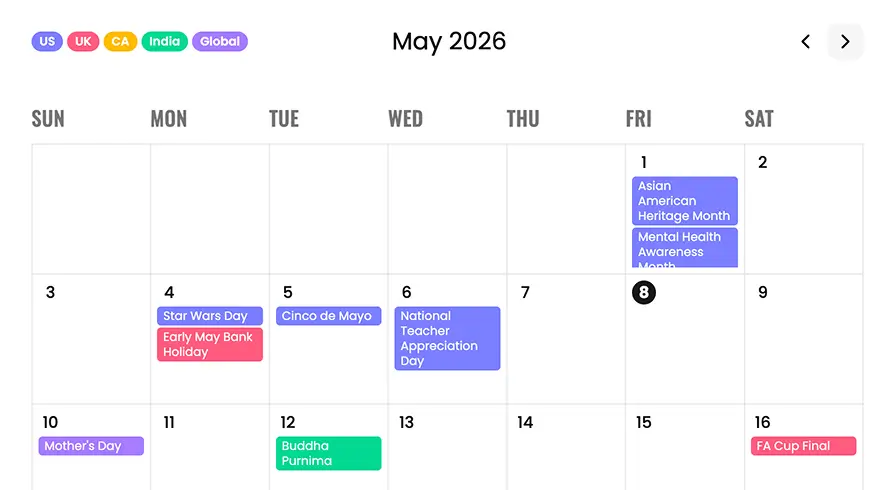
- Flash Sale Notifications: Limited-time promotions delivered via push create urgency. AI tools identify the users most likely to convert quickly, boosting traffic and maximizing short-term campaign impact.
- Loyalty Reward Announcements: Notify customers about points earned, milestone achievements, or redeemable rewards. These messages reinforce loyalty, encourage repeat engagement, and strengthen long-term brand affinity.
- Product Restock Alerts: Notify shoppers when out-of-stock items are replenished. Real-time restock notifications drive immediate purchases, reducing lost sales and increasing customer satisfaction.
- Shipping & Delivery Updates: Send timely alerts for order processing, dispatch, and delivery. Customers feel informed, support queries decrease, and trust in the brand strengthens through transparent communication.
- Personalized Recommendations to Increase AOV: AI-driven push notifications suggest complementary products based on browsing or purchase history. These tailored recommendations encourage additional purchases and boost average order value (AOV).
- Re-engagement Campaigns for Inactive Users: Target dormant users with tailored incentives or highlights of new arrivals. Personalized push campaigns reactivate inactive accounts, boosting retention and long-term engagement.
While push notifications are powerful, brands still face challenges like low opt-ins, fatigue, and delivery issues.
Also Read: Appmaker integration with LoyaltyLion: Build Customer Loyalty
Challenges of Mobile Push Notifications and How to Overcome Them in E-Commerce
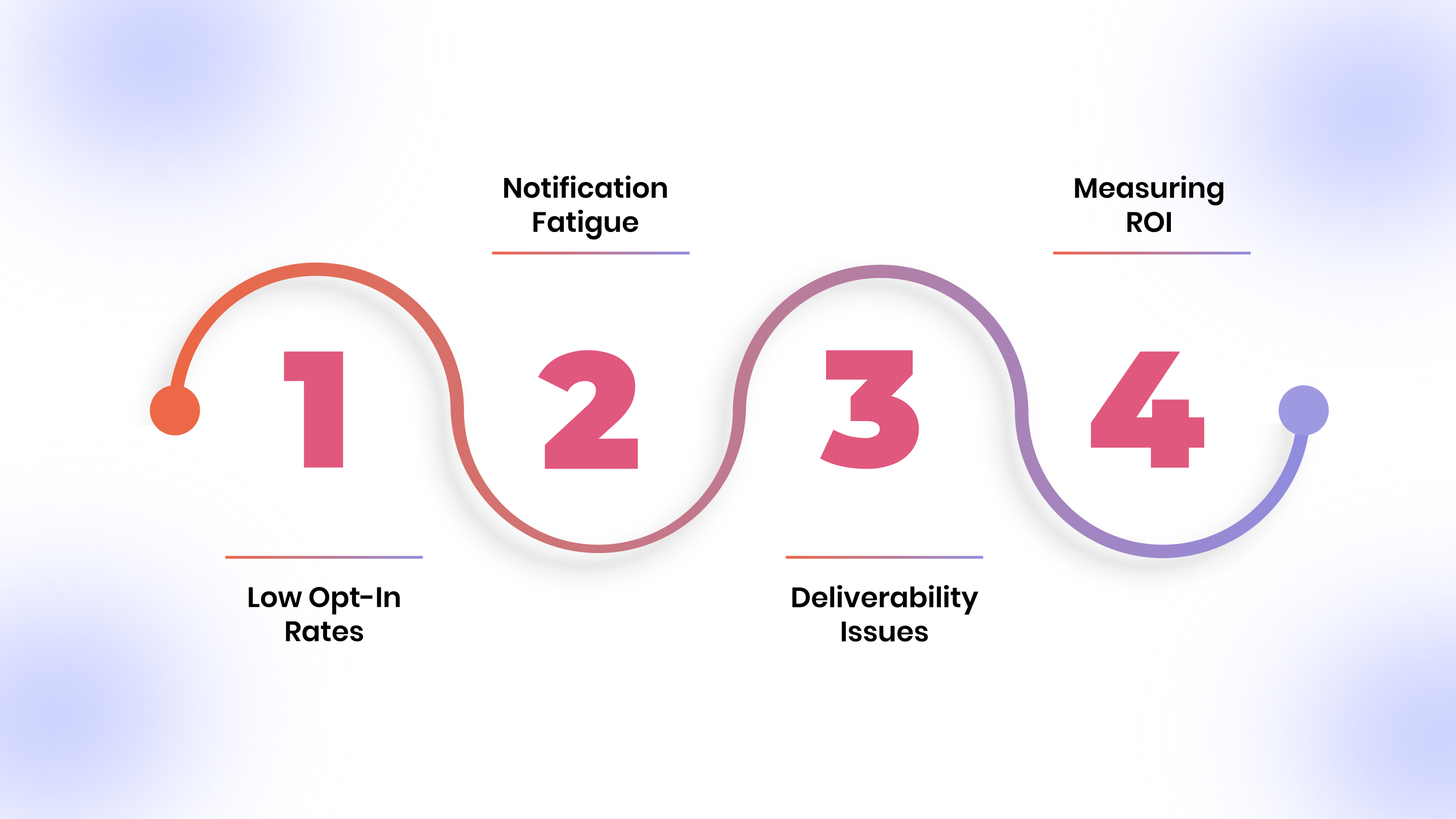
Even high-performing Shopify and D2C apps face obstacles with mobile services push notifications. Understanding opt-in hurdles, user fatigue, delivery issues, and ROI measurement ensures notifications drive real engagement, conversions, and revenue without alienating users.
1. Low Opt-In Rates
Many users ignore or decline push permissions when they don’t understand the benefit. During onboarding, clearly explain value such as exclusive discounts, early sale access, or order updates using contextual, non-intrusive prompts.
2. Notification Fatigue
Sending too many messages quickly leads users to mute or uninstall apps. Segment audiences by activity, engagement, and preferences, then control frequency so notifications remain timely, relevant, and worth opening.
3. Deliverability Issues
Even well-crafted notifications fail if they don’t reach devices reliably. Using trusted push service providers, testing across platforms, and monitoring delivery rates ensures consistent message delivery.
4. Measuring ROI
Brands often struggle to link notifications to revenue outcomes. Analytics dashboards and AI insights track opens, clicks, conversions, and sales, helping refine targeting, timing, and message relevance over time.
Now that we know the challenges, the next step is selecting the right push notification service that ensures reliability and smooth Shopify integration for optimal results.
Choosing the Right Push Notification Service for E-Commerce
Selecting the right mobile services push notification platform is important for Shopify and D2C brands to ensure engagement, conversions, and accurate messaging. Here’s how to choose the right one:
- Reliability & Real-Time Sync: Choose a service that guarantees consistent delivery and instant real-time sync with Shopify store data, ensuring notifications reflect live inventory and promotions.
- Analytics & Automation: Use platforms with integrated dashboards to track metrics and automate notifications, sending timely, behavior-driven messages without manual effort or delays.
- AI-Powered Personalization: Use AI to tailor product recommendations, layouts, and messaging based on real-time user behavior, boosting engagement and driving higher conversions.
- Ease of Integration with Shopify: Ensure seamless Shopify integration so orders, customer info, and product updates are automatically synced, preventing discrepancies and improving notification relevance.
Once the platform is chosen, it’s essential to implement strategies for triggered campaigns, AI personalization, and cross-channel coordination to maximize ROI and customer lifetime value.
How to Maximize ROI with Push Notifications?
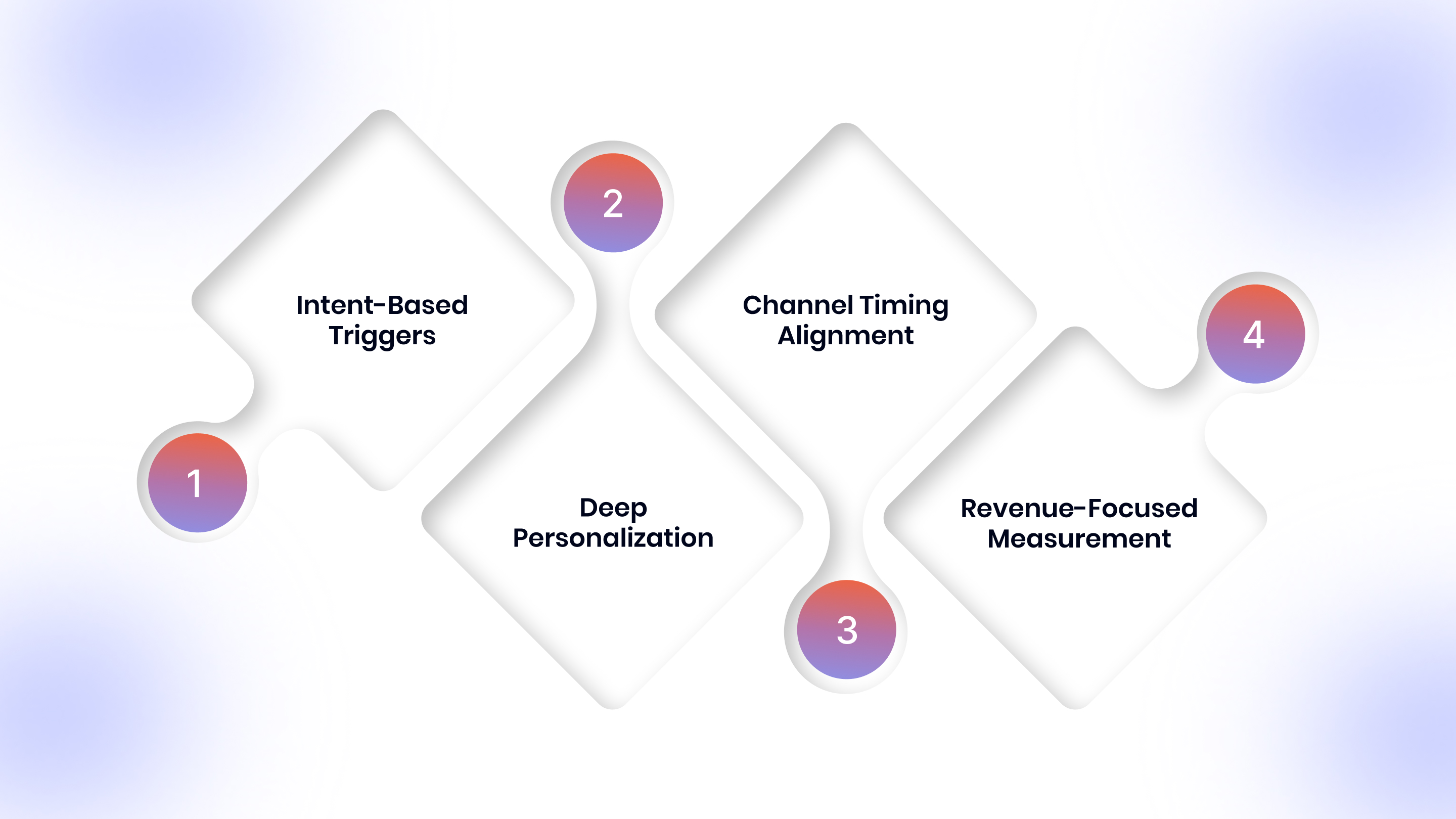
Mobile services push notifications drive measurable revenue when campaigns are strategically triggered, personalized with AI, and integrated across multiple channels for Shopify and D2C brands. Let's understand how to maximize your ROI:
- Move from broadcasts to intent-based triggers: Mass blasts dilute impact. High-ROI push strategies rely on triggers like cart abandonment, repeat product views, price drops, or inactivity windows to reach users when intent is highest.
- Use personalization beyond first names: Effective personalization adjusts product suggestions, offers, and timing based on browsing depth, purchase frequency, and past response behavior; not generic segmentation rules.
- Align push with email and SMS timing: Push works best as the first touch. Email and SMS should follow only if users don’t act, creating a coordinated recovery and conversion flow instead of channel overlap.
- Measure revenue, not just opens: ROI improves when campaigns are evaluated on conversions, order value, and repeat purchases. Tracking notification-level revenue reveals which triggers and messages actually drive growth.
Having seen the ROI strategies, let’s look at how AppMaker simplifies push notifications, making them actionable, personalized, and revenue-focused for Shopify and D2C brands.
How AppMaker Makes Push Notifications Work for Your Shopify Store?
AppMaker turns Shopify and D2C stores into mobile apps that engage users instantly through smart Push Notifications. Every promotion, restock alert, or personalized suggestion reaches the right customer, improving conversions and retention.
Our features ensure brands can manage mobile messaging efficiently:
- Real-Time Sync: Product updates, inventory changes, and order status sync continuously with the app, so notifications always reflect the latest store information and avoid customer confusion.
- AI-Powered Personalization: Rubik’s AI analyzes user behavior, browsing patterns, and purchase history to dynamically adjust app layouts, product recommendations, and content shown in notifications for higher engagement.
- Push Campaign Management: Brands can schedule and segment notifications based on activity, location, or purchase history, enabling targeted, timely campaigns without manual oversight.
- Analytics & Insights Dashboard: Track open rates, clicks, and user interactions, providing clear insights to optimize notification strategies and improve campaign performance over time.
AppMaker ensures push notifications are actionable, relevant, and tied to real business results, helping brands stay connected efficiently.
Conclusion
Push notifications have become essential for Shopify and D2C brands. When used strategically, they increase engagement, recover abandoned carts, drive repeat purchases, and provide timely updates, making mobile apps a direct revenue channel.
AppMaker simplifies push notifications with real-time Shopify sync, AI-powered personalization using Rubik’s AI, and precise campaign management. Brands can deliver relevant, behavior-driven messages without complex setups, improving retention and conversion rates.
To experience the benefits firsthand, contact us today. See how personalized, timely push notifications can increase customer engagement, recover lost revenue, and turn your mobile app into a high-performing marketing tool.
FAQs
1. How do I get users to opt-in for push notifications?
During onboarding, highlight tangible benefits like early access, exclusive discounts, or restock alerts. Use subtle prompts and contextual messages to encourage consent without disrupting the shopping experience.
2. What is the difference between transactional and marketing notifications?
Transactional notifications confirm purchases, shipping, or account changes. Marketing notifications promote offers, seasonal campaigns, or loyalty programs. Transactional builds trust; marketing drives engagement and repeat revenue.
3. Can push notifications work without a native mobile app?
Web push works through browsers without an app but offers limited personalization. Native app push allows deeper Shopify integration, AI-driven recommendations, and higher engagement rates for repeat purchases.
4. How often should I send push notifications to avoid spamming?
Segment users by activity, purchase frequency, and engagement patterns. Send only high-value, relevant notifications, and use AI to determine optimal timing to maximize response without causing fatigue.
5. How do AI-powered tools improve push notification personalization?
AI analyzes browsing, purchase history, and app interactions to deliver tailored product recommendations, dynamic content layouts, and time-optimized notifications. Together, this increases engagement, conversions, and repeat customer value.